
Last updated November 16, 2026
 Sweep & inspection
 Caps & crowns
 Flue relining
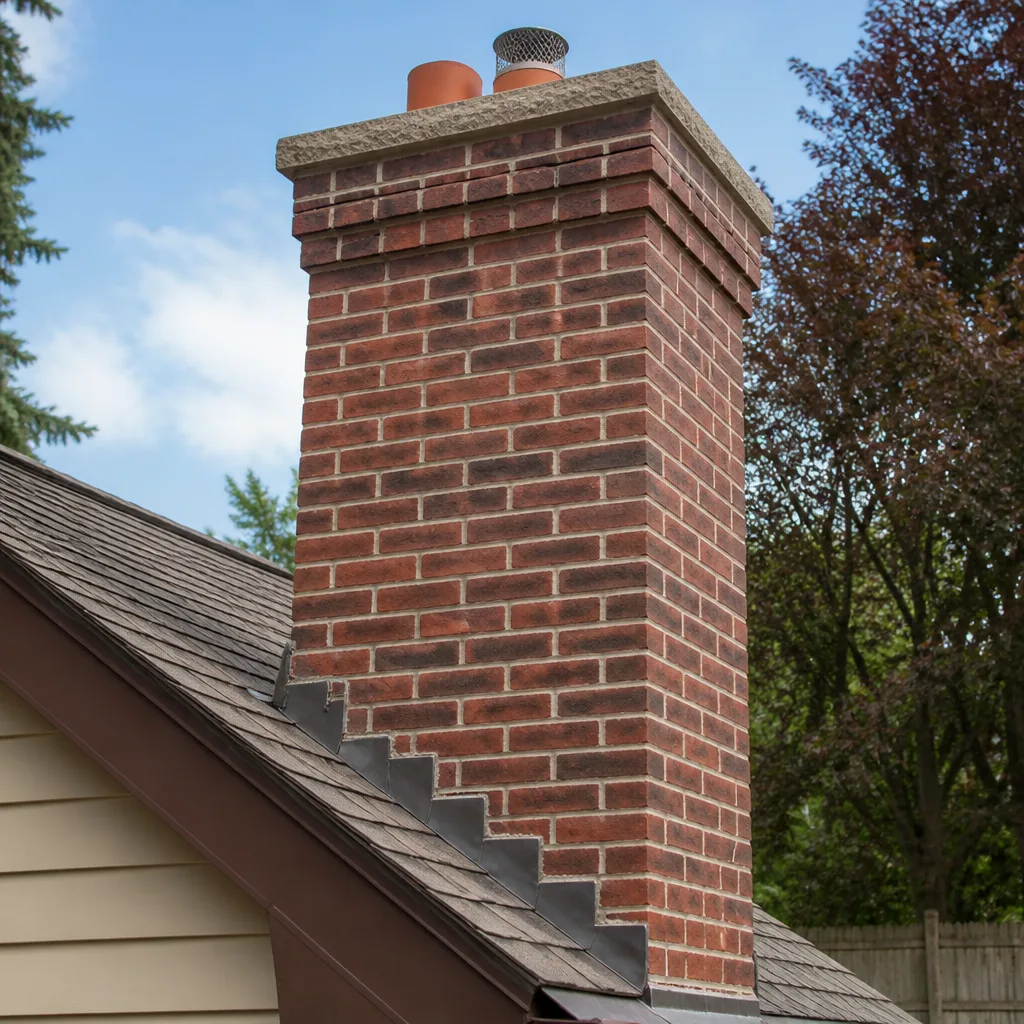 Masonry repair
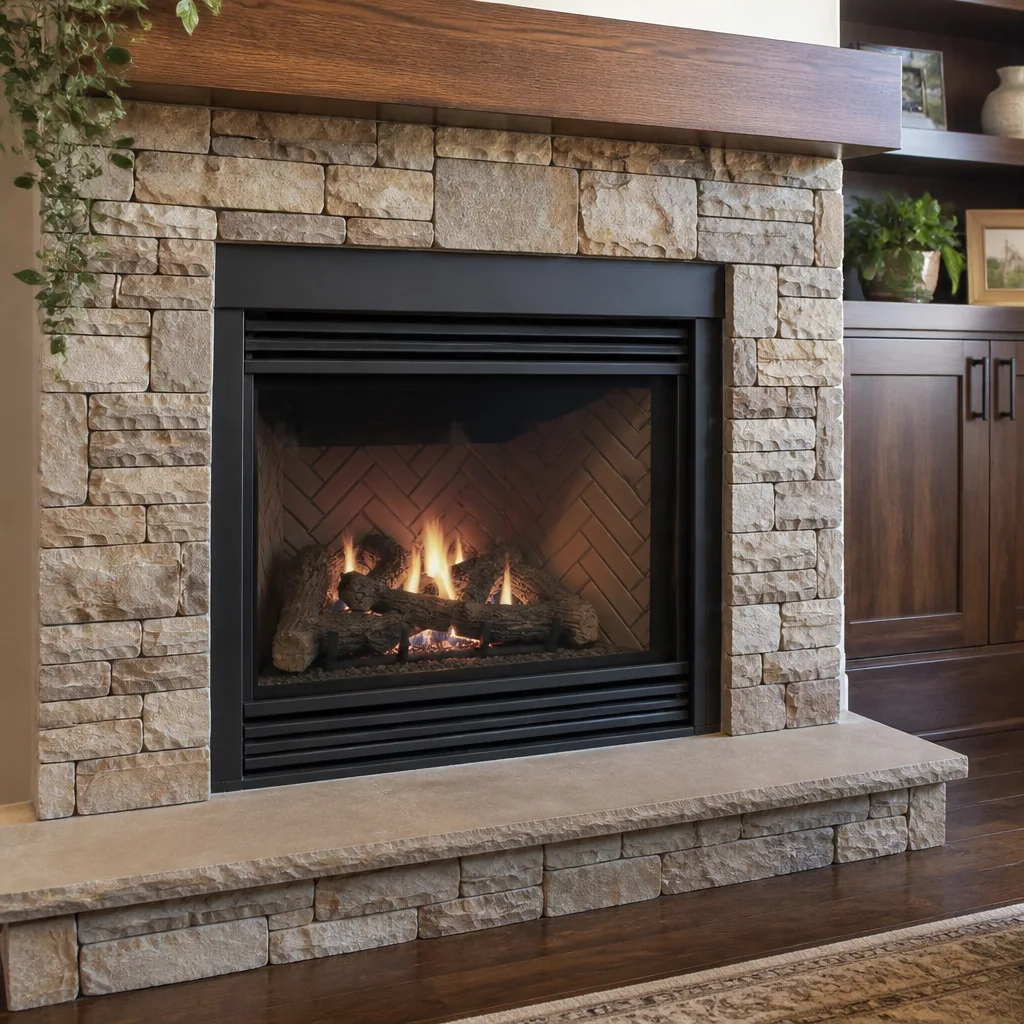 Gas fireplace service
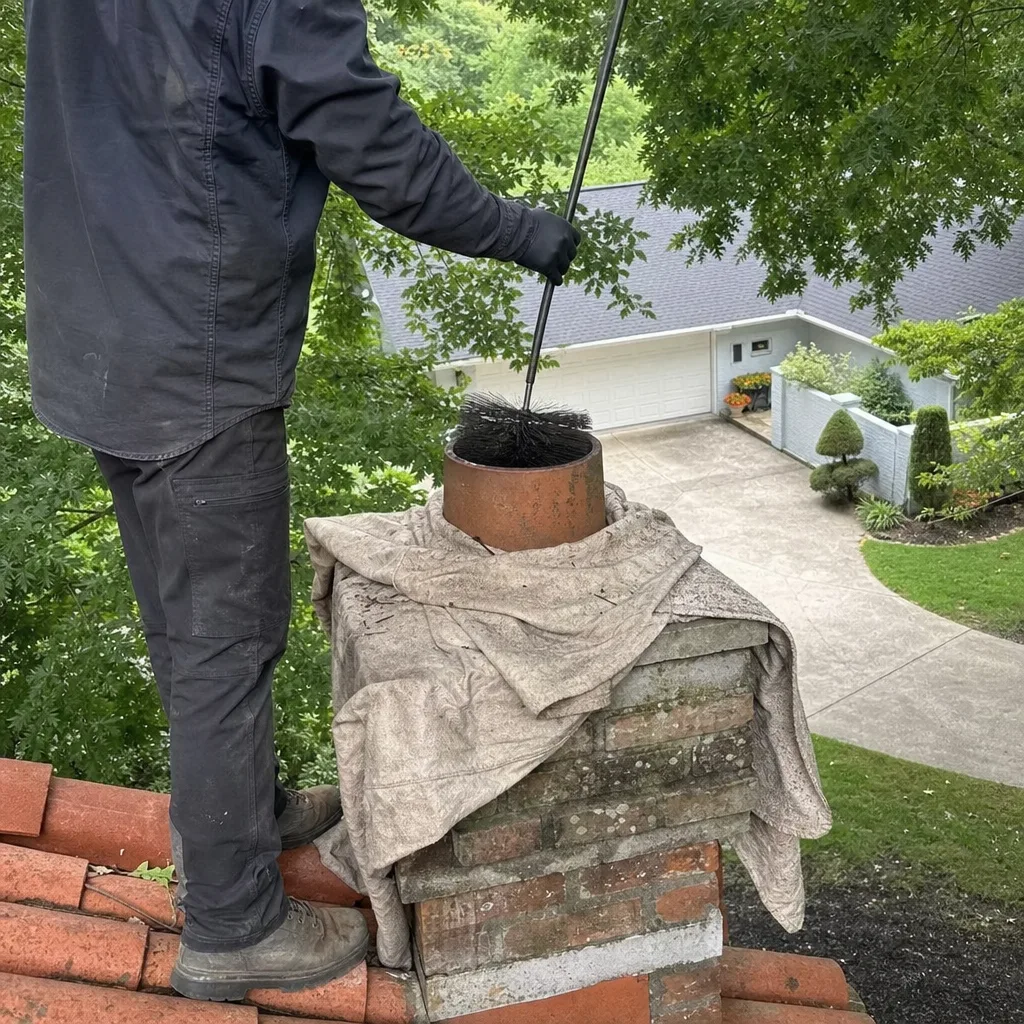
Level 1 sweep and inspection to the NFPA 211 annual standard - flue, crown, cap, and flashing checked and photographed
Chimney sweep logs do not sweep chimneys. They loosen some creosote - which then falls where a brush and vacuum still have to collect it.
Seasonal Chimney Cleaning Care for Cary: Year-Round Homeowner’s Guide
Spring isn’t chimney season. Most homeowners in Cary think about the chimney exactly once a year, usually on the first cold evening when they strike a match, and that single fall sweep feels like enough. But the freeze-thaw cycles that roll through the Piedmont in February and March are when mortar starts to spall and hairline cracks open in the crown. Nobody sees it because nobody’s looking eight months before the next fire. This guide walks through Cary’s four distinct chimney risk windows, what each one does to a masonry stack, and the one small task per season that surfaces most of what a technician would find.
Quick Answer
Chimney care in Cary works best on a four-season cycle, not a single annual sweep: inspect and repair freeze-thaw damage in late winter, watch for moisture intrusion in spring, guard against humidity-driven liner problems in summer, and book your cleaning in early fall before first-use demand backs up. A wood-burning household should match cleaning frequency to burn volume, roughly one sweep per cord burned, and address any masonry issue within the shoulder seasons of March-April and October-November when scheduling is easiest.
Styles & brands we work with
- Sweep & inspection
- Caps & crowns
- Flue relining
- Masonry repair
- Gas fireplace service
Table of Contents
- Why Cary’s Chimney Care Is a Four-Season Job, Not a Fall Event
- Late Winter: The Freeze-Thaw Window That Starts the Damage
- Spring: Moisture Intrusion and the Shoulder-Season Advantage
- Summer: Humidity, Efflorescence, and the Idle Masonry Problem
- Fall: Pre-Season Sweep Timing and the Booking Backlog
- How Burn Volume Sets Your Cleaning Frequency
- One Owner Task Per Season That Takes Under 30 Minutes
- Common Mistakes to Avoid
- When to Call a Professional
- Frequently Asked Questions
Why Cary’s Chimney Care Is a Four-Season Job, Not a Fall Event
Chimney maintenance as a national habit was built around a single pre-winter cleaning. That habit makes sense in places with one long cold season. Cary doesn’t have that. This part of the Piedmont swings hard between cold snaps and mild days all through winter, sits in heavy humidity from late spring through September, and gets warm enough in summer that a chimney can sit completely unused for five or six months without anyone thinking about it. Each of those conditions does something different to a chimney.
The practical result is that a fall-only inspection catches anything that accumulated during the off-season, but it catches it late. Damage from a February freeze-thaw cycle has been quietly progressing since February. Water that entered through a cracked crown in April has been sitting in the masonry all summer. None of it is catastrophic on its own, but by the time a homeowner in Cary books that October sweep, several small issues have had months to compound into repairs that cost more than the original fix would have.
We think of the year in four windows, and each has its own risk, its own telltale signs, and its own best response:
- Late winter (February-March): freeze-thaw cycling and mortar spalling.
- Spring (March-May): moisture intrusion and shoulder-season repairability.
- Summer (June-September): humidity, liner condensation, and efflorescence.
- Fall (October-November): pre-season sweep and booking demand.
Seeing the chimney this way isn’t about generating more service calls. It’s about catching the cheap problem before it becomes the expensive one. A specialist who looks at a Cary chimney four times a year across a decade sees the story of the masonry, the whole of it, not just the snapshot a single annual visit provides. For the top-level view of what we do and how a visit is structured, see Chimney Sweep Cary.
Late Winter: The Freeze-Thaw Window That Starts the Damage
The single most consequential stretch of the year for a masonry chimney in Cary runs from mid-February through March, when daytime temperatures push above freezing and overnight temperatures drop below it. Water that has soaked into the mortar, the crown, or a hairline crack in the brick expands when it freezes and pushes the surrounding material apart. When it thaws, the water recedes and takes a little bit of masonry with it. Repeat that cycle a few dozen times over six weeks and mortar joints begin to crumble. That’s spalling, and it’s the start of nearly every expensive chimney repair we see.
The damage is almost invisible from the ground. A homeowner who burns wood through January and then stops doesn’t look up at the crown again until October, by which point the freeze-thaw had a full season to work. That’s the reason late-winter inspection matters more than the fall version most guides push: the failure mode starts in February, not November.
What to watch for after a freeze-thaw stretch:
- Grit on the roof or ground below the chimney, especially brick-colored flakes or sand-like masonry dust. Mortar is coming off somewhere.
- Visible cracks in the crown, the concrete cap at the top of the stack. Hairlines widen through a winter.
- White, chalky staining on exterior brick. That’s efflorescence (we’ll come back to it in summer) and it’s evidence water is moving through the masonry.
- Loose flashing where the chimney meets the roof. Freeze-thaw will open that seam before it opens almost anywhere else.
If any of those show up, an inspection at the end of the cold season is the right move, even if it means booking now for a slot in March. Structural repairs caught in late winter usually mean repointing, crown repair, or flashing work. Caught the following fall, the same issues often mean partial rebuild.
Spring: Moisture Intrusion and the Shoulder-Season Advantage
Spring in Cary is the most practical time of year to get chimney work done, and it’s also when water damage is quietly getting worse. March through May is warm enough for mortar, crown repair, and resurfacing to cure properly, dry enough that roofing access isn’t a scheduling problem, and slow enough on the calendar that a job can be booked inside a week instead of six. That combination doesn’t exist in October.
The problem spring brings is simple: winter left cracks, and spring fills them with rain. Water that gets into a chimney’s masonry through a cracked crown, a failed flashing seam, or a deteriorated mortar joint has two possible paths. Some of it evaporates on warm days. Some of it moves inward and downward, into the flue system and eventually into the framing around the chimney. That second path is what causes the slow, invisible damage that shows up as stained drywall on the interior wall beside the chimney, a rusting damper, or a masonry chimney that smells musty well into June.
What we look at on a spring inspection:
- Crown condition. Any crack wider than a hairline is a leak path. Small crown cracks are the cheapest thing on the whole house to fix.
- Flashing and the roof-to-chimney seal. Re-sealing flashing now prevents water reaching the top of the ceiling joists.
- Exterior mortar joints. Probe loose joints with a screwdriver handle. If mortar crumbles easily, repointing is due.
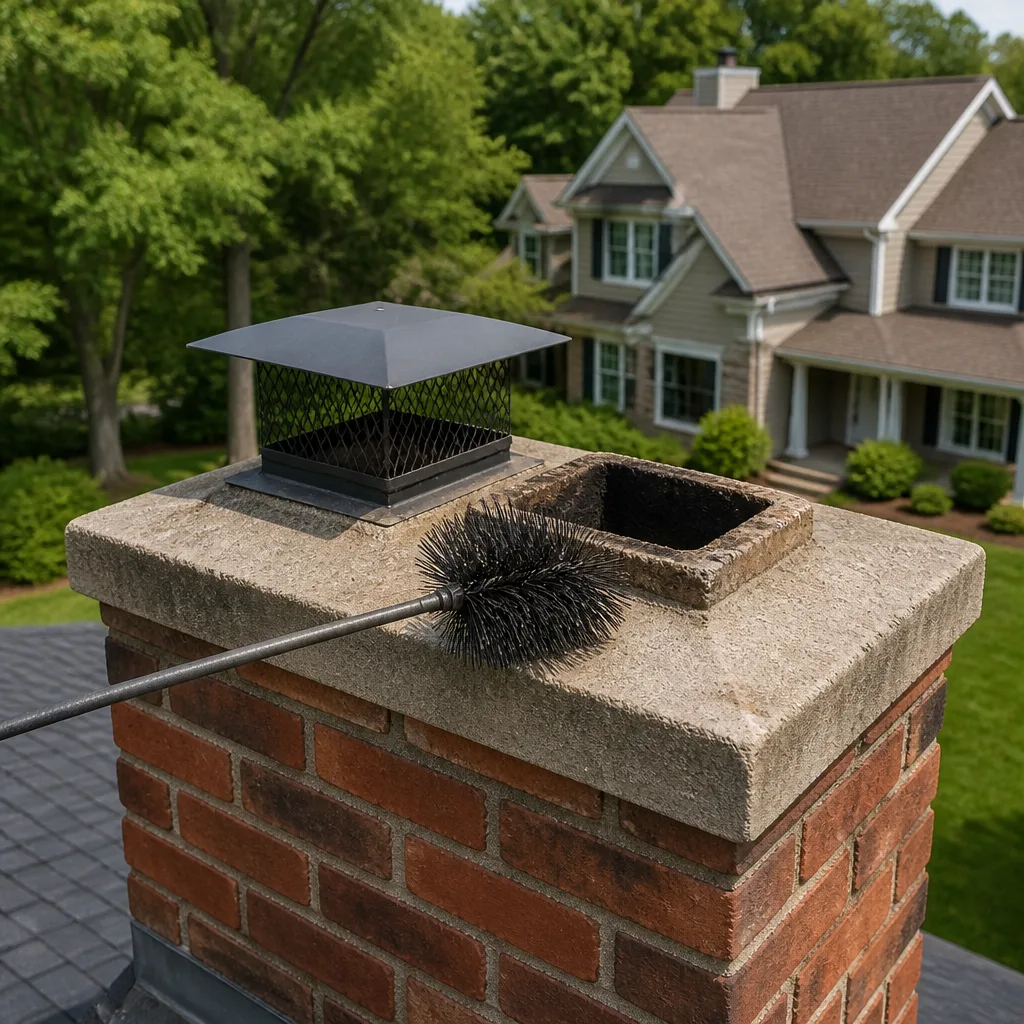
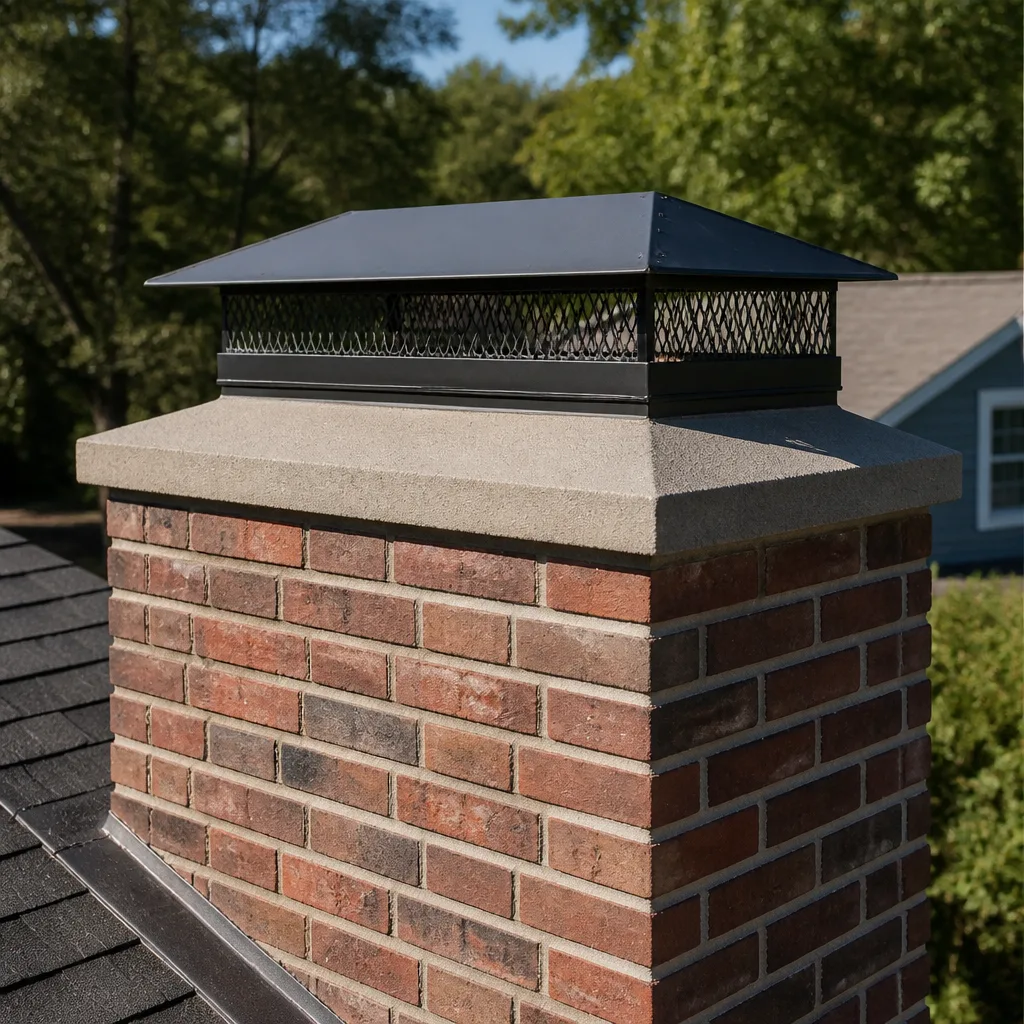
- Cap and screen. A missing or loose cap (Gelco and Copperfield make the professional trade lines we source) lets rain straight down the flue and animals into the flue through the open top.
- Interior moisture signs. Damper rust, chalky efflorescence on the firebox brick, and musty smell.
The reason this list is longer than the late-winter one is that spring is the moment to fix, not just flag. A chimney that comes out of spring watertight tends to sit quiet through summer and go into fall with nothing more than a standard sweep needed. A chimney that doesn’t is the one that produces the panic call in October. For anything a spring inspection surfaces, we handle the repair work outright, from crown and flashing on the exterior to chimney repair on the interior masonry and flue system.
Summer: Humidity, Efflorescence, and the Idle Masonry Problem
Summer is the season most homeowners in Cary file under “nothing to do here.” The fireplace is cold, the chimney is out of sight, the days are long and hot. In practice summer is when an unused masonry chimney does the most slow damage to itself, and it’s the reason a chimney that looked fine in April can show chalky white patches by September.
Two things happen. First, high humidity in the Piedmont keeps masonry exposed to moisture from the outside even when the flue is dry inside. Water vapor moves through brick and mortar, and when it reaches the surface and evaporates, it leaves behind mineral salts. That’s efflorescence: the white, chalky powder on exterior brick and interior firebox surfaces. Efflorescence alone isn’t damage, it’s a symptom. Where the salt comes out, water was moving through.
Second, an unused flue stays cold relative to outside air. In a metal or clay-tile liner, cool surfaces plus humid air equal condensation. Condensation on the inside of a liner is the leading cause of a liner rusting from the inside out in a wood-burning system, and it’s also what drives the slow deterioration of clay tile liners over a decade. A gas-appliance conversion makes it worse: natural gas combustion produces more water vapor per unit of heat than wood does, and a cold summer flue holds that vapor against the liner for hours.
What summer requires:
- A quick efflorescence check on exterior brick and the firebox, ideally mid-August when humidity is highest. Fresh chalky powder means water is still moving through.
- A look at the damper for rust or sticking. Both are signs of summer condensation.
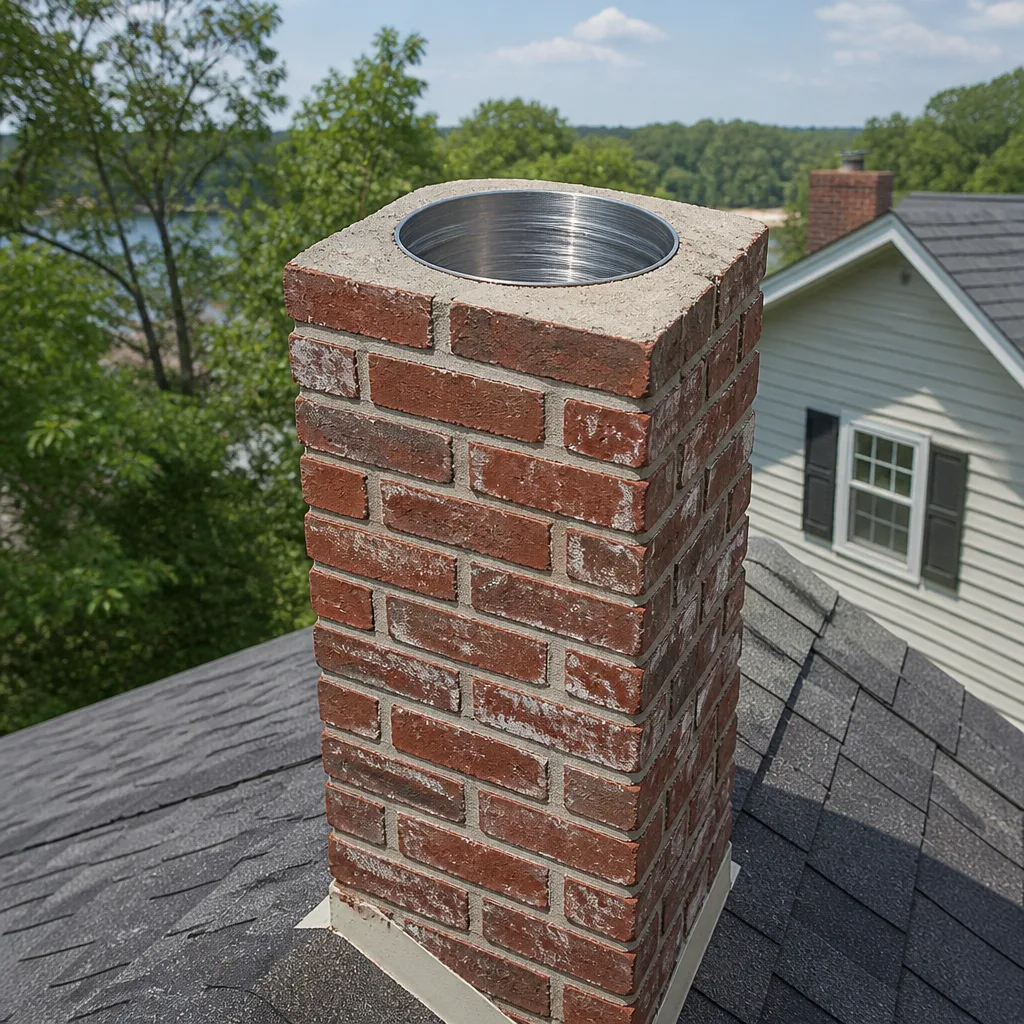
- Liner consideration if you converted to gas or installed an insert, since this is when an undersized or inappropriate liner does its damage. DuraFlex flexible liner systems are what we install for code-compliant relining.
- Cracked-flue-tile awareness, especially in older Cary homes where the original clay tile has been through many dozen freeze-thaw cycles over its life. A camera inspection in summer is cheap; a flue fire in January is not.
We don’t recommend closing every unused chimney off completely in summer. Ventilation matters, and a masonry stack that can breathe does better than one wrapped tight for the season. What matters is that the flue stays dry and that any water that does enter has a way out. The cap and crown are the whole story here; fix them and the summer problem mostly solves itself.
Fall: Pre-Season Sweep Timing and the Booking Backlog
The pre-season sweep is what everybody thinks of as chimney care, and it’s genuinely the right thing to do before the first fire of the season. But the timing of when you book it matters more than most homeowners realize. A cleaning done in late September or early October catches every issue that summer left behind and gives you a few weeks to fix anything before burning season. A cleaning done on the first of November is the same cleaning, done under pressure, in a queue.
That queue is real and it’s predictable. Demand for chimney sweeps in Cary climbs steadily from late September through the end of November and peaks the week the first cold front pushes through. Every chimney company on the Piedmont, us included, sees the same pattern. A homeowner who calls on October 1st and a homeowner who calls on November 15th end up with very different lead times, and the second homeowner is often booking into a slot that pushes the actual cleaning past their intended first fire.
The shoulder-season advantage is worth spelling out, because it’s the single most useful scheduling insight on this page:
- Book in March-April or late September. Those are the two windows when every chimney company in the area has room in its schedule.
- Get the pre-season sweep done before October 15. After that, the calendar tightens noticeably.
- Fix anything found in the same booking. Structural issues found in October are harder to schedule for repair than the same issues found in April.
- Use the last warm weeks of September to confirm the crown and flashing are still in shape after summer. That’s the last cheap window before the first rain-and-cold cycle of fall.
What a fall sweep actually delivers is a chimney sweep in the literal sense: creosote and soot removal from the flue, a check that the firebox and damper are working, and a pass on the accessible parts of the liner. What it’s not is a structural inspection, which is a separate, more thorough review of the entire chimney system, crown to foundation. A homeowner who wants documented proof their chimney is clean, structurally sound, and safe for the season benefits from booking both in the same visit, and that’s the natural time to do it. For the city overview and what an average visit looks like in Cary, that page is worth a read before booking.
How Burn Volume Sets Your Cleaning Frequency
The standard advice that chimneys should be swept once a year is fine as a baseline and wrong as a rule for any household that actually burns. Cleaning frequency should scale with how much you burn, because creosote accumulation scales with it. A household that lights twenty fires over the winter and a household that burns a cord and a half have very different amounts of creosote in the flue by the time spring arrives, and they need to be on different schedules.
The math most guides skip: one cord of seasoned hardwood produces roughly the creosote load that justifies a sweep when it’s burned efficiently in a well-drafted fireplace, and roughly twice that when it’s burned in a slow, smoldering, damped-down fire that leaves more unburned material in the flue. Two cords a season is comfortably a twice-yearly sweep recommendation. Three or more and you should be on a mid-season check as well, especially if you’ve had a chimney fire in the past.
- Recreational burning (a few fires a month in winter, decorative): one annual sweep, pre-season timing is fine.
- Regular supplemental heat (fires most winter evenings, one cord or so): one sweep per cord burned, ideally split pre- and mid-season.
- Primary heat (wood stove or insert running most of the winter, two or more cords): two sweeps per season, plus an annual inspection.
- Any wood-burning appliance with a known history of slow, damped-down burns: err toward more frequent cleaning, not less.
Creosote in its early, powdery stage is removable with a standard sweep and brush. In its glazed, hard stage it’s not removable with a brush at all, and it’s the fuel that drives a chimney fire once ignition conditions line up. The difference between those two stages is largely a function of how many cords have passed through the flue since the last cleaning, which is why the burn-volume math matters more than the calendar. Our technicians have up to 9 years of experience reading creosote stage from the sweep and will tell you plainly what stage you’re at and whether the schedule needs to change.
One Owner Task Per Season That Takes Under 30 Minutes
There’s a small set of checks a homeowner can do that surface the bulk of what a technician would catch on the first pass at an inspection. None of them involve climbing the roof or opening anything dangerous. Each takes under half an hour, and each is timed to the season that matters most.
- Late winter (February or early March): walk the exterior with binoculars. Stand back from the house and look up at the crown, the brickwork, and the flashing. Look for cracks in the crown, flakes of mortar on the ground, or any loose piece of brick. Twenty minutes.
- Spring (April): run water against the chimney flashing. With a garden hose, run water slowly against the seam where the chimney meets the roof for a couple of minutes while someone inside watches the ceiling near the chimney. If anything darkens or drips, flashing is failing. Fifteen minutes.
- Summer (August): look for efflorescence. Check exterior brick and the inside of the firebox for fresh chalky white powder. Notice whether the damper moves freely and whether it feels rusty. Ten minutes.
- Fall (late September): the flashlight test. Shine a strong flashlight up the flue from the firebox (do not put anything in the flue, just look). You should see reasonably clean, unbroken flue surfaces as far up as the light reaches, with no heavy soot buildup, no glazed shiny patches, and no obvious broken tile or gap. If any of that shows up, book a sweep and inspection. Ten minutes.
We use these four checks as a template for the questions we ask on the phone when a homeowner calls us. They surface perhaps 80% of what we’d find on the initial visual pass. What they can’t surface is anything inside the flue beyond what a flashlight reaches, anything on the outer surface of the liner, or anything in the mortar that’s not yet visible. That’s the inspector’s job, and it’s what a camera inspection is for.
One safety note worth stating plainly: the checks above stop at the firebox floor. Nothing on this list replaces a professional inspection of the flue liner, and no homeowner should ever attempt to run a brush or tool down the flue themselves. The liner is the part of the chimney where a hidden defect is a genuine fire risk, and there’s no safe way to assess it from the firebox.
Common Mistakes to Avoid
- Treating the fall sweep as the whole year’s chimney care. A single annual visit catches anything that accumulated since the last one and nothing else. The February-March freeze-thaw damage and the April-September moisture intrusion both happen between visits, and both get found a season late.
- Skipping the inspection because the sweep came back clean. A sweep and an inspection are two different services. A sweep removes creosote from the flue. An inspection assesses the entire chimney structure, from crown to foundation. A clean flue tells you nothing about the crown, flashing, or liner.
- Burning unseasoned wood to save money. Wet wood burns cooler and produces far more creosote per cord than seasoned wood. It’s the fastest way to build up a glazed creosote layer that a brush can’t touch. If the wood hasn’t been split and stacked for at least a full season, it’s not ready.
- Damping the fire down for overnight burns. A smoldering, air-starved fire produces the heaviest creosote load of any burning style. That’s the household habit most associated with accelerated flue buildup and the one most worth reconsidering.
- Ignoring a chimney cap for years. A missing or rusted-through cap lets rain straight into the flue and lets birds and squirrels into the flue box. Replacing one is cheap; cleaning up after two seasons of wildlife and water damage is not.
- Booking the sweep on the first cold weekend. That’s the peak of the Cary sweep calendar. If you haven’t booked by mid-October, expect to be scheduled past your intended first fire.
- Assuming gas means no chimney care. A gas conversion changes the flue chemistry but doesn’t eliminate maintenance. Condensation and corrosion are real risks, and a code-compliant liner (typically a DuraFlex system for a conversion) is what makes the appliance safe to operate.
When to Call a Professional
Call a professional when any of the following is true, regardless of what month it is:
You’ve had a chimney fire, even a small one, and especially one you think you put out yourself. You see heavy or glazed creosote when you look up the flue. There’s visible water damage on the ceiling or wall near the chimney, or a musty smell that doesn’t go away. Your chimney has visible cracks in the crown or exterior masonry. You’ve converted to gas or installed an insert and haven’t had the liner assessed. It’s been more than one burning season since your last sweep. You’re buying or selling a home in Cary and need a documented chimney inspection before closing. Or you’ve never had the chimney looked at and you don’t know its history.
Chimney Sweep Cary offers free estimates in Cary – call (833) 519-6077 to book a sweep, an inspection, or a repair visit. We answer 24/7. Fast dispatch from 7am to 7pm.
Frequently Asked Questions
A chimney should be swept based on burn volume, not just the calendar: roughly one sweep per cord of wood burned, which usually means one sweep a year for occasional burning and two for a household that heats with wood. Creosote accumulates faster than most homeowners expect, especially with slow, damped-down burns, and the stage of creosote determines whether a standard sweep is enough. Call (833) 519-6077 for an exact quote – estimates are free.
Skipping a year doesn’t guarantee a problem, but it removes the only routine check that catches creosote buildup and structural issues before they become serious. Creosote that accumulates across two seasons moves from powdery to glazed, which is harder to remove and represents the main fuel load in a chimney fire. On the structural side, a missed year in Cary means a full freeze-thaw cycle got to work with nobody watching. Call (833) 519-6077 for a free estimate before the next season.
The shoulder seasons are the most practical booking windows in Cary: March through April and late September through mid-October, when every chimney company in the area has room on its schedule. Spring is slightly better for repairs because warm, dry weather lets mortar, crown, and resurfacing cure properly. Fall is essential for the pre-season sweep before first use, but book it before October 15 to avoid the November backlog. Call (833) 519-6077 for a free estimate.
You need a new liner when the existing one is genuinely failing, which is a specific, verifiable condition: cracked clay tile, gaps at the joints, a rusted-through metal liner, or an undersized flue for a newly converted appliance. That’s not a judgment call; it’s something a camera inspection can show you directly. We never recommend a liner without showing you what we saw. DuraFlex flexible liner systems are what we install when relining is the right answer, and when the existing liner has good life left in it, we say so. Call (833) 519-6077 for a free estimate.
A chimney sweep in the Cary area is priced per job based on the estimate, and the written estimate sets the final price. That’s worth stating clearly because chimney pricing varies by flue configuration, access, and whether an inspection is included in the same visit. We provide a free estimate up front, and we book the sweep and inspection in one visit when both are needed. Call (833) 519-6077 for an exact quote – estimates are free.
Yes. An unused chimney in a humid Cary summer sees continuous moisture exposure from the outside, and cool flue surfaces pull condensation out of the air. That moisture is what drives efflorescence on masonry, rust inside a metal liner, and the slow deterioration of clay tile joints. The fix is a sound crown, sealed flashing, and a proper cap (Gelco and Olympia Chimney make the professional caps we source) rather than wrapping the flue closed for the season. Call (833) 519-6077 for a free estimate.
The Bottom Line
Chimney care in Cary isn’t a single fall event; it’s a four-season cycle. The freeze-thaw damage that causes most expensive chimney repairs starts in February, water does its work through spring, humidity keeps working through summer, and the pre-season sweep that actually protects your home is the one booked before the October backlog. Match cleaning frequency to burn volume, use the shoulder seasons to book, and treat the inspection as a separate service from the sweep. The homeowners who come out cheapest over a decade aren’t the ones who skip years. They’re the ones who see the small problem early.
Every job we book is a chimney job: sweep, structural repair, or inspection. Industry-grade materials from DuraFlex, HeatShield, Gelco, Olympia Chimney, Famco, and Copperfield sit behind that work, and none of it is recommended without camera evidence you can see for yourself.
Call (833) 519-6077 for a free estimate. We answer 24/7. Fast dispatch from 7am to 7pm, Sunday through Friday. Closed Saturday.
Written by the team at Chimney Sweep Cary.
See the difference
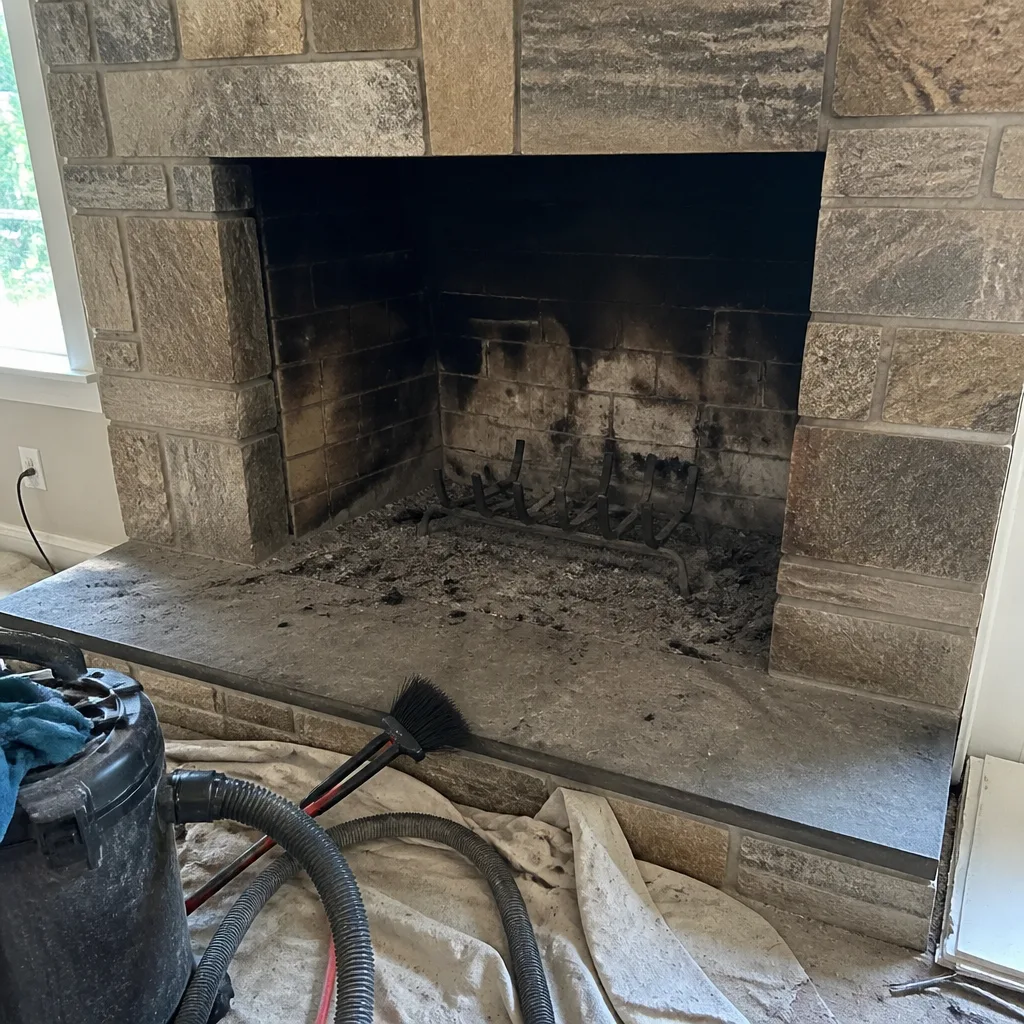 Before
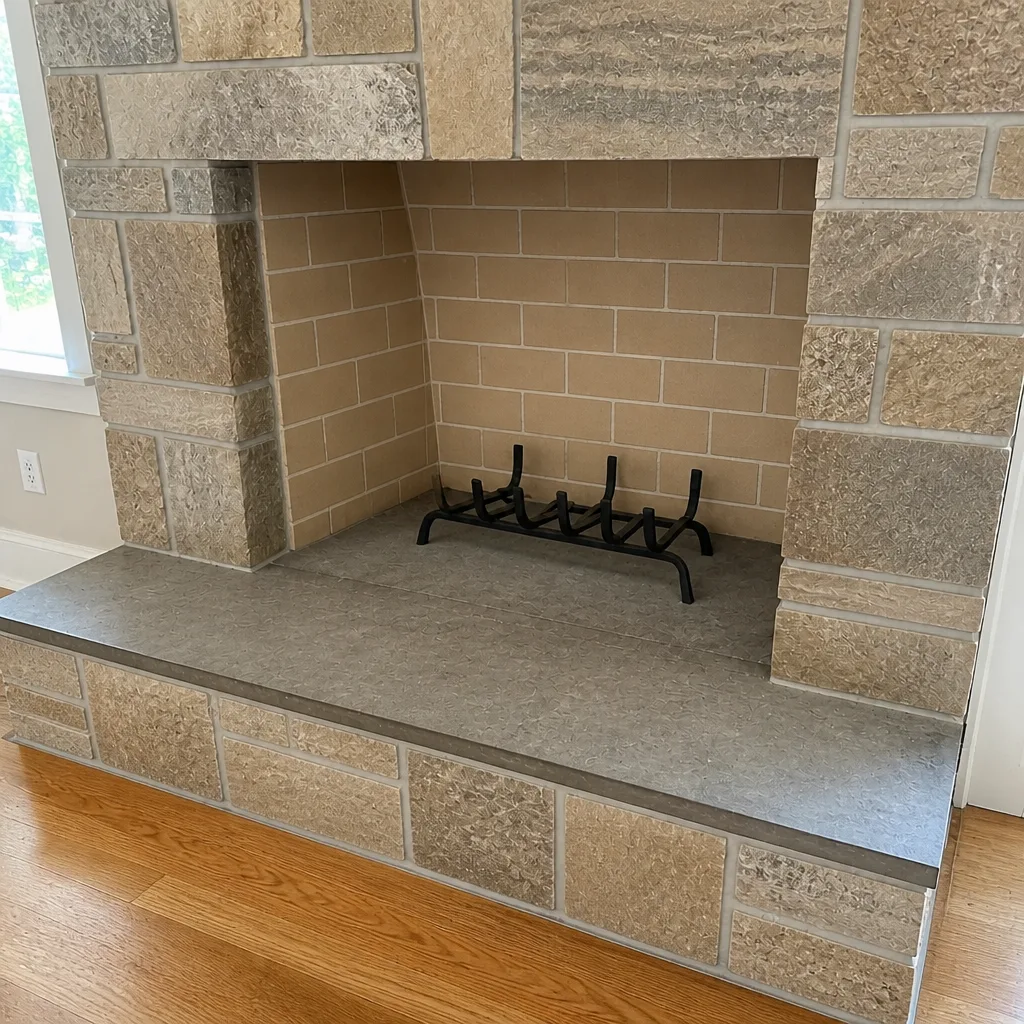 After
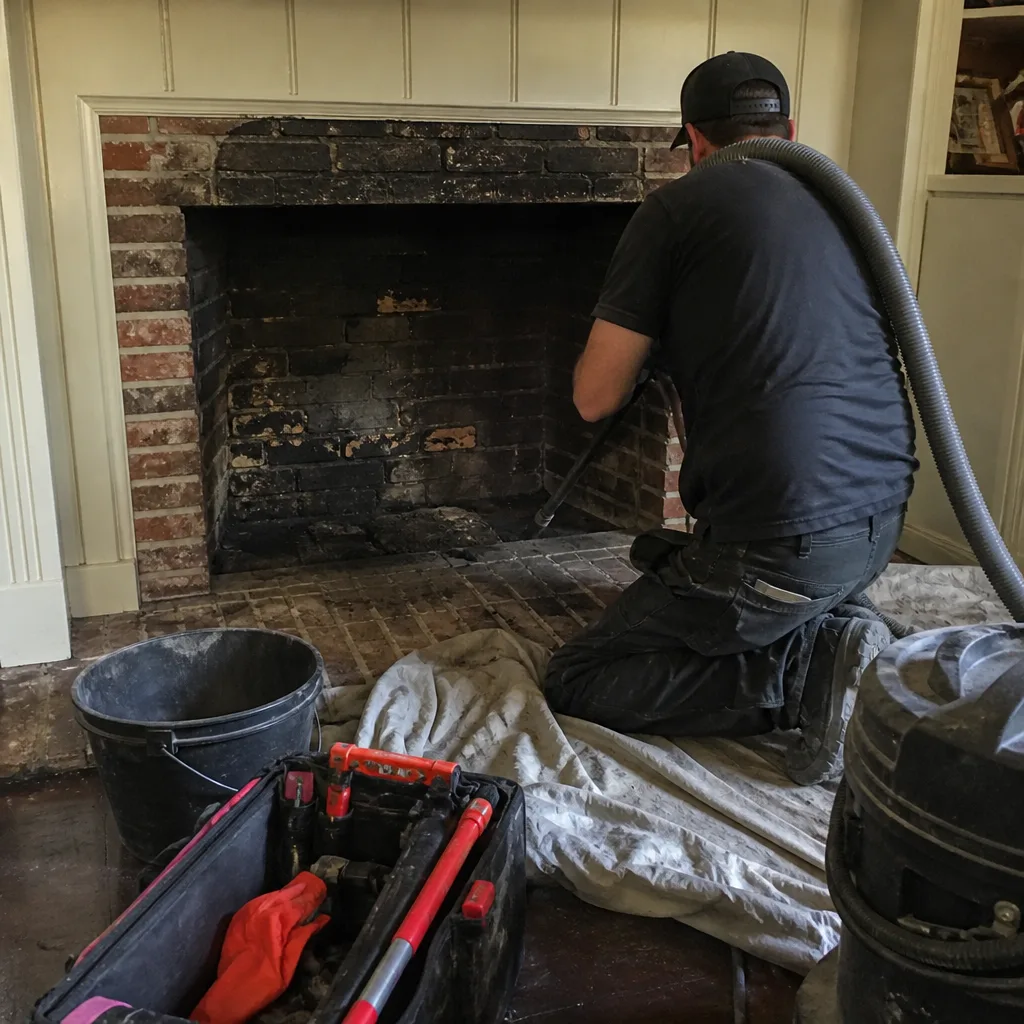 Before
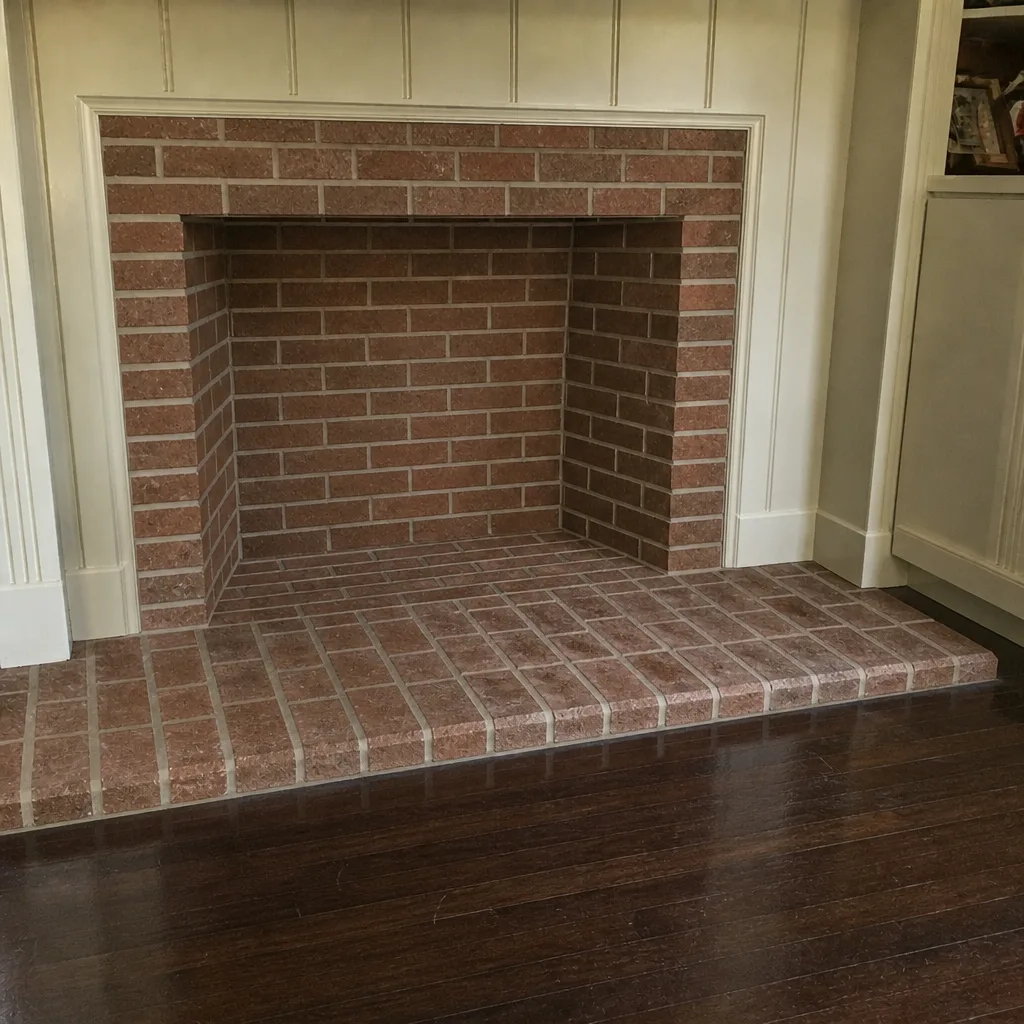 After
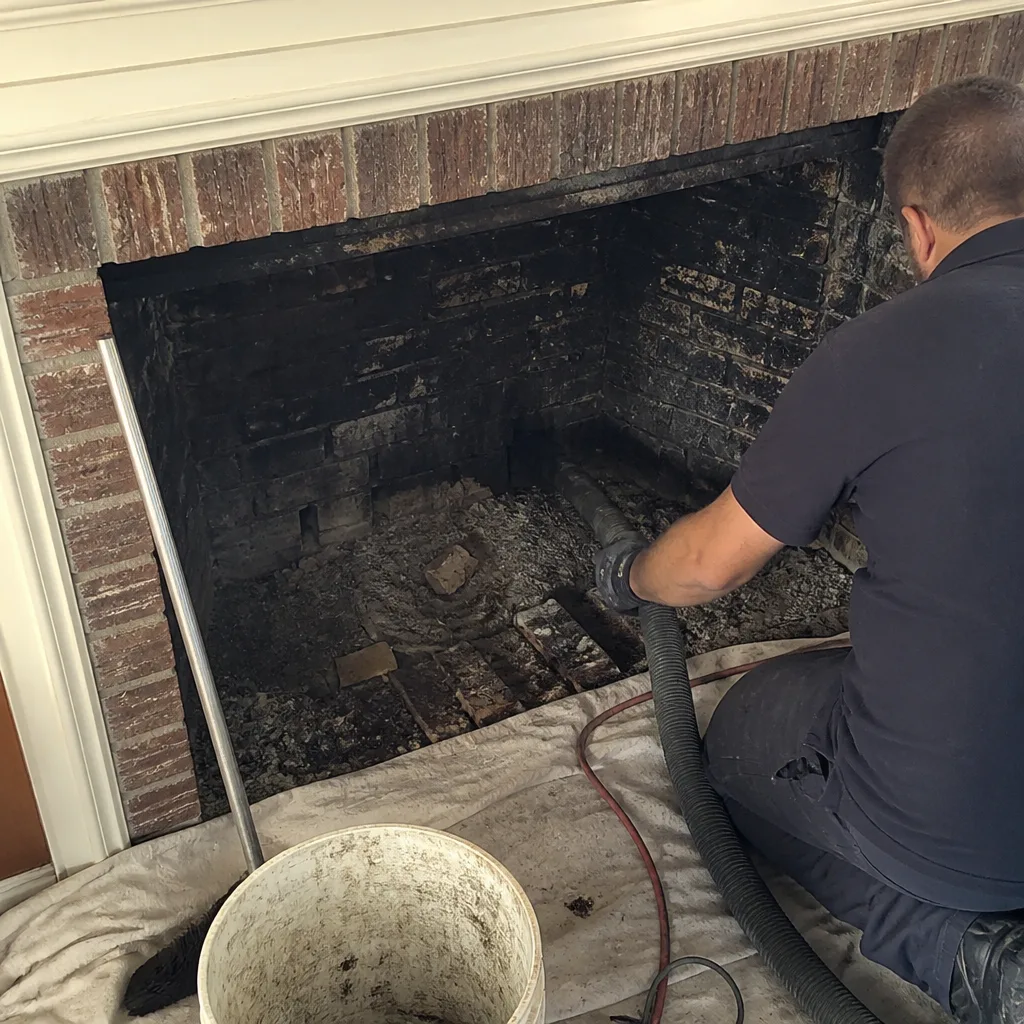 Before
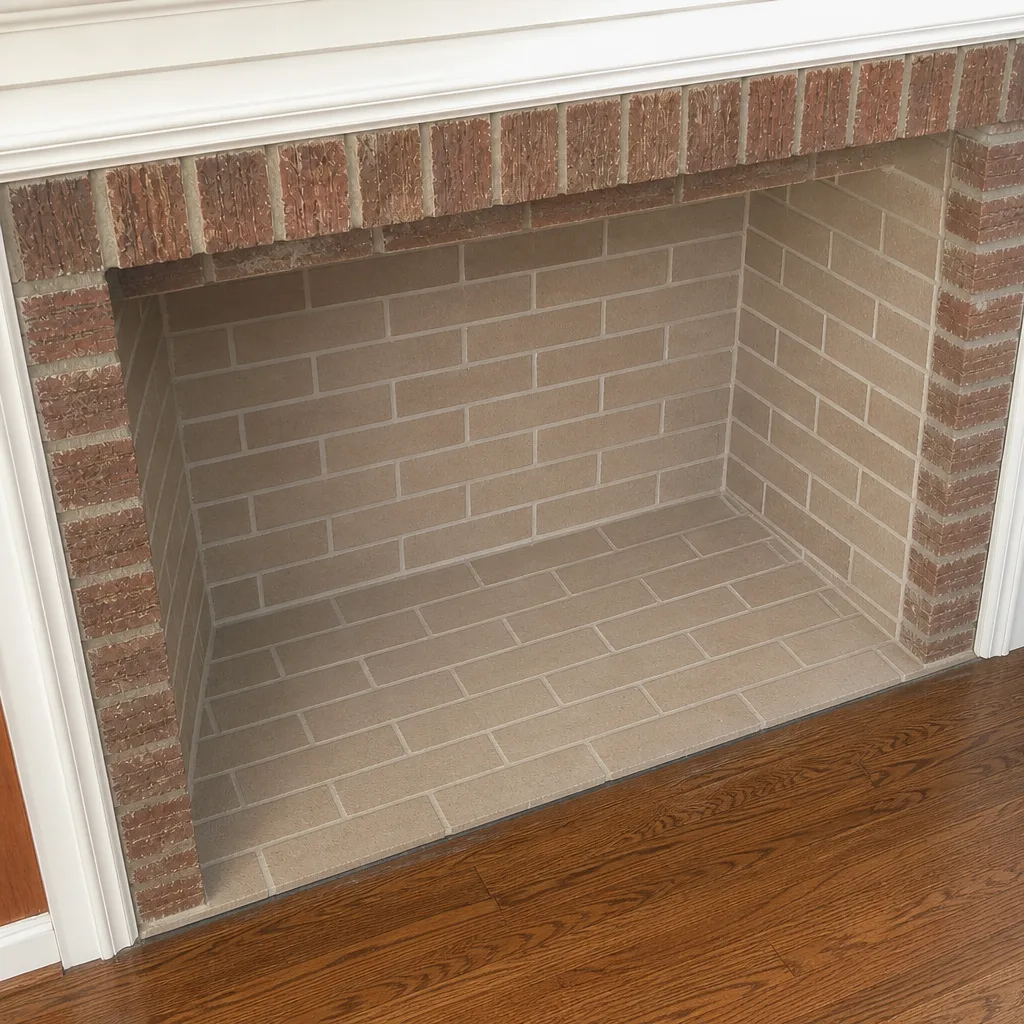 After