
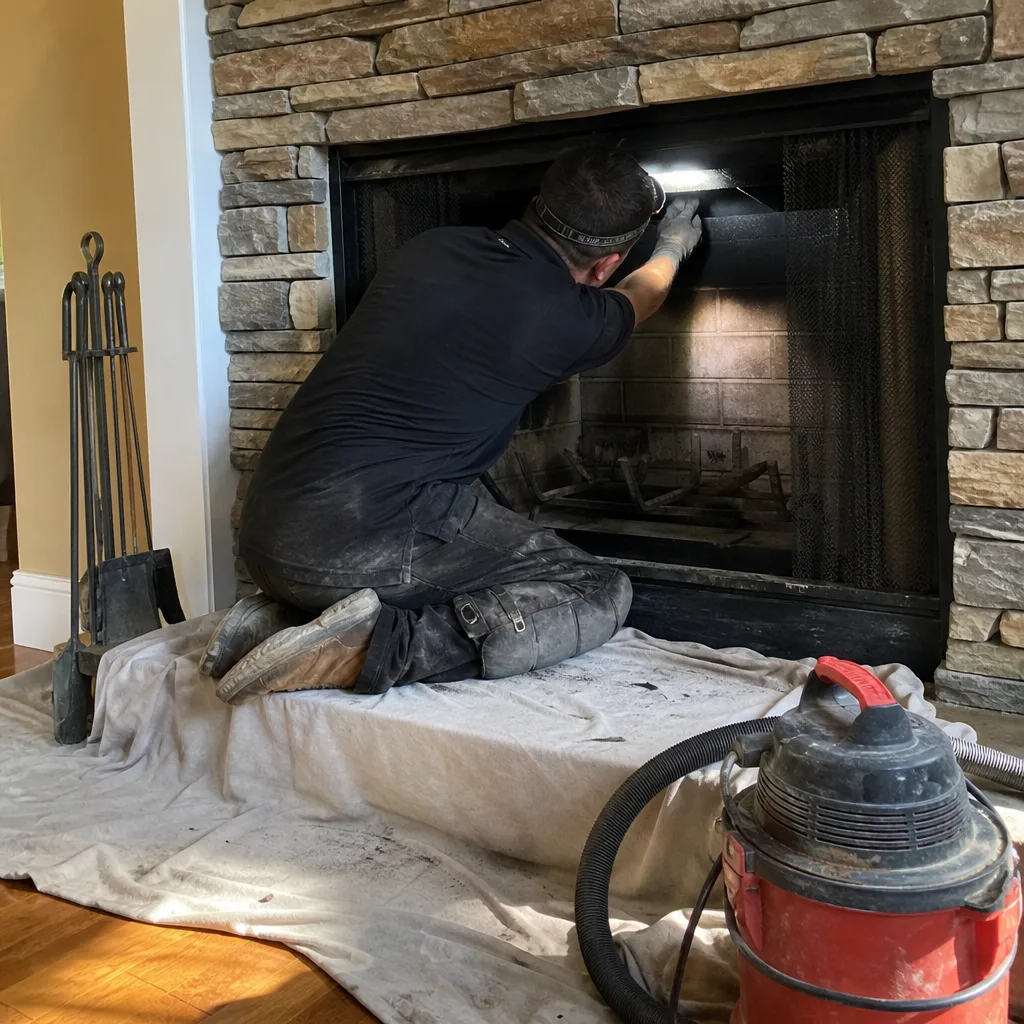
Last updated November 16, 2026
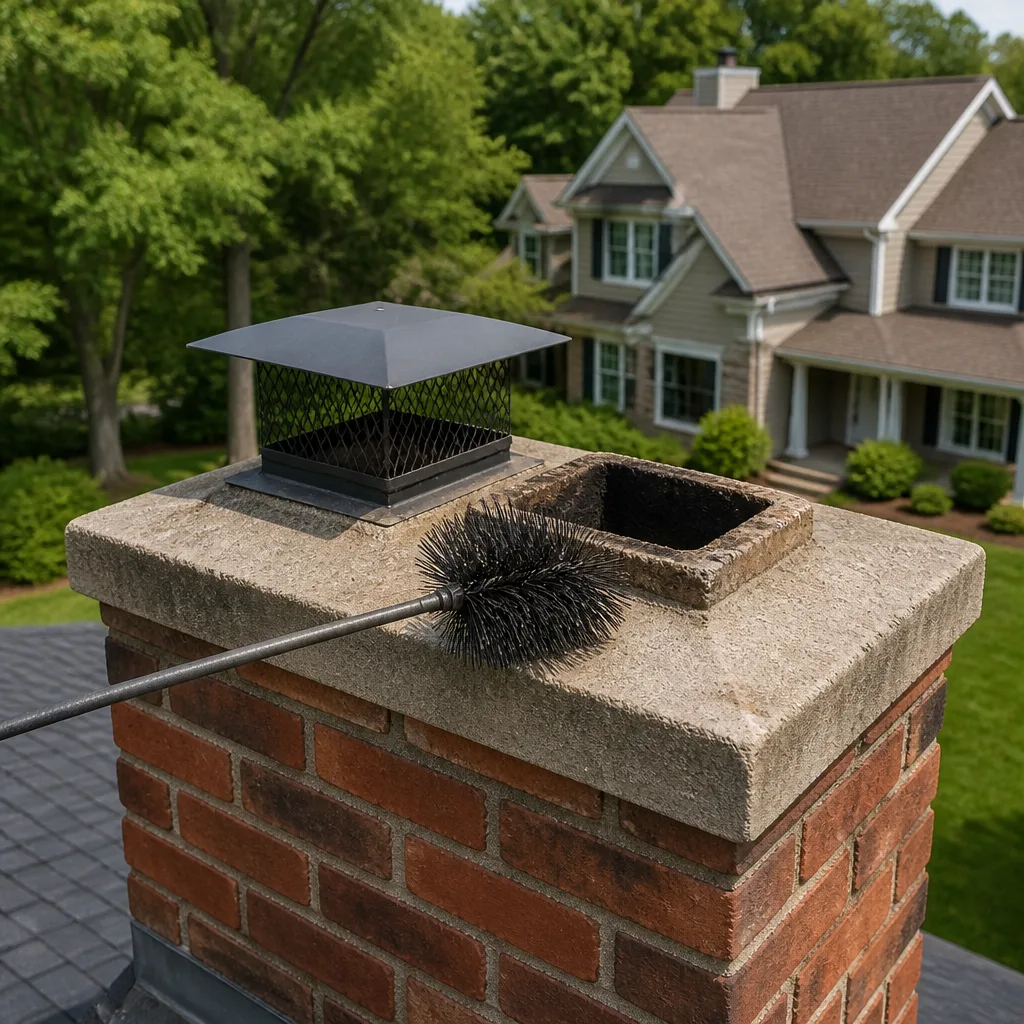 Sweep & inspection
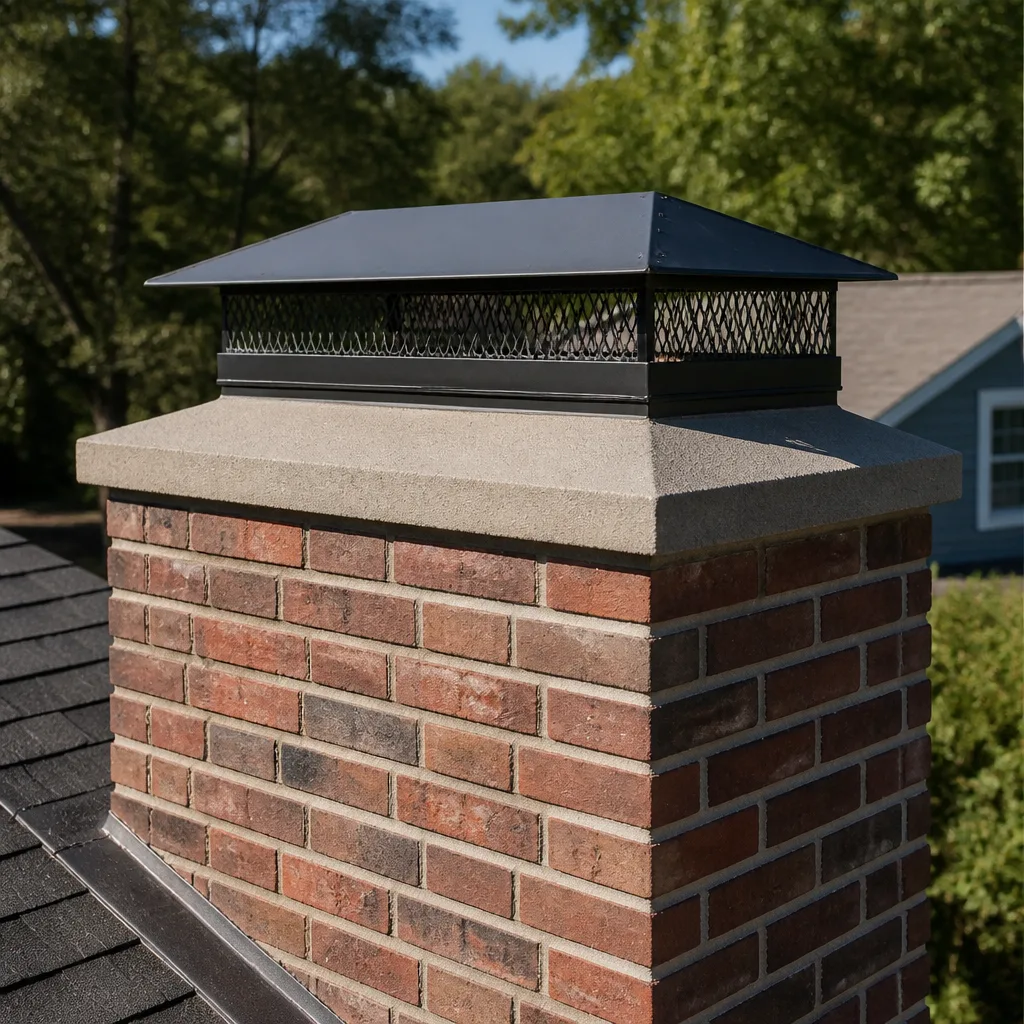 Caps & crowns
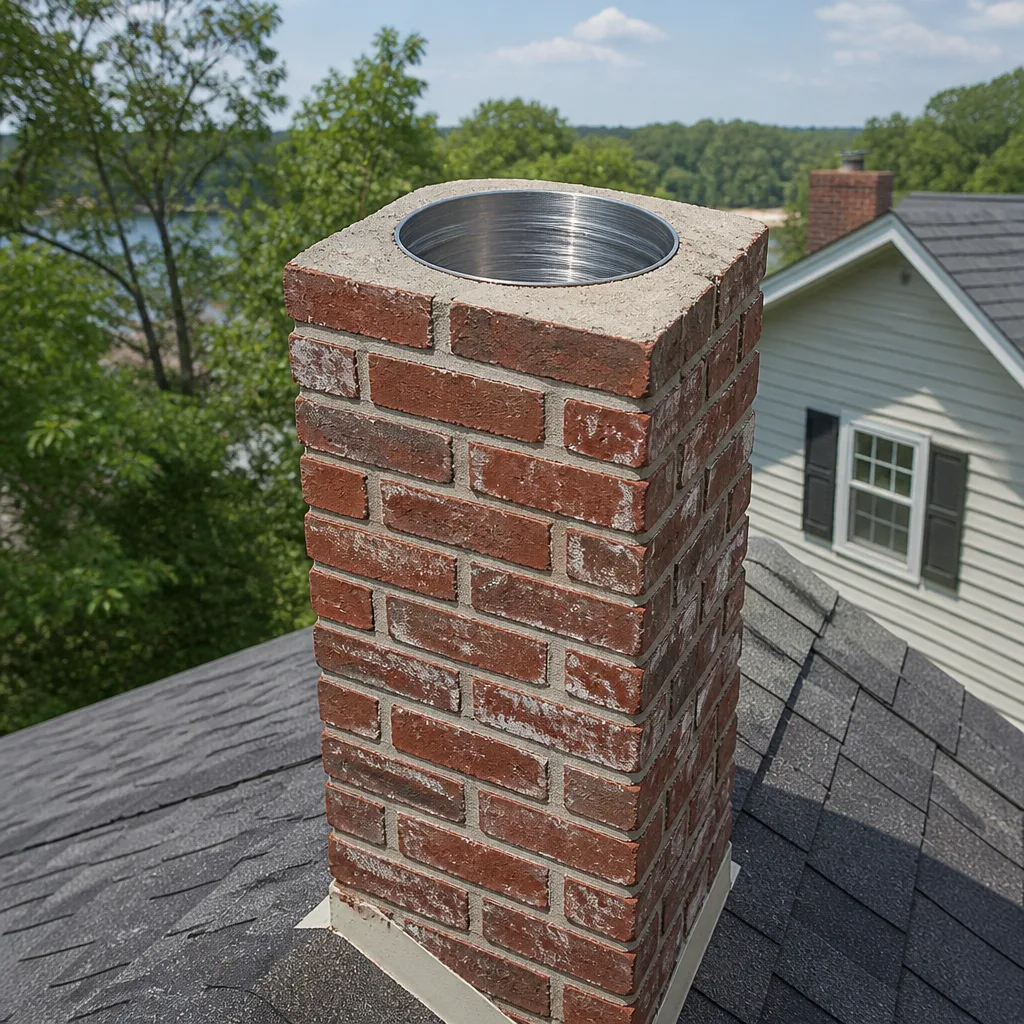 Flue relining
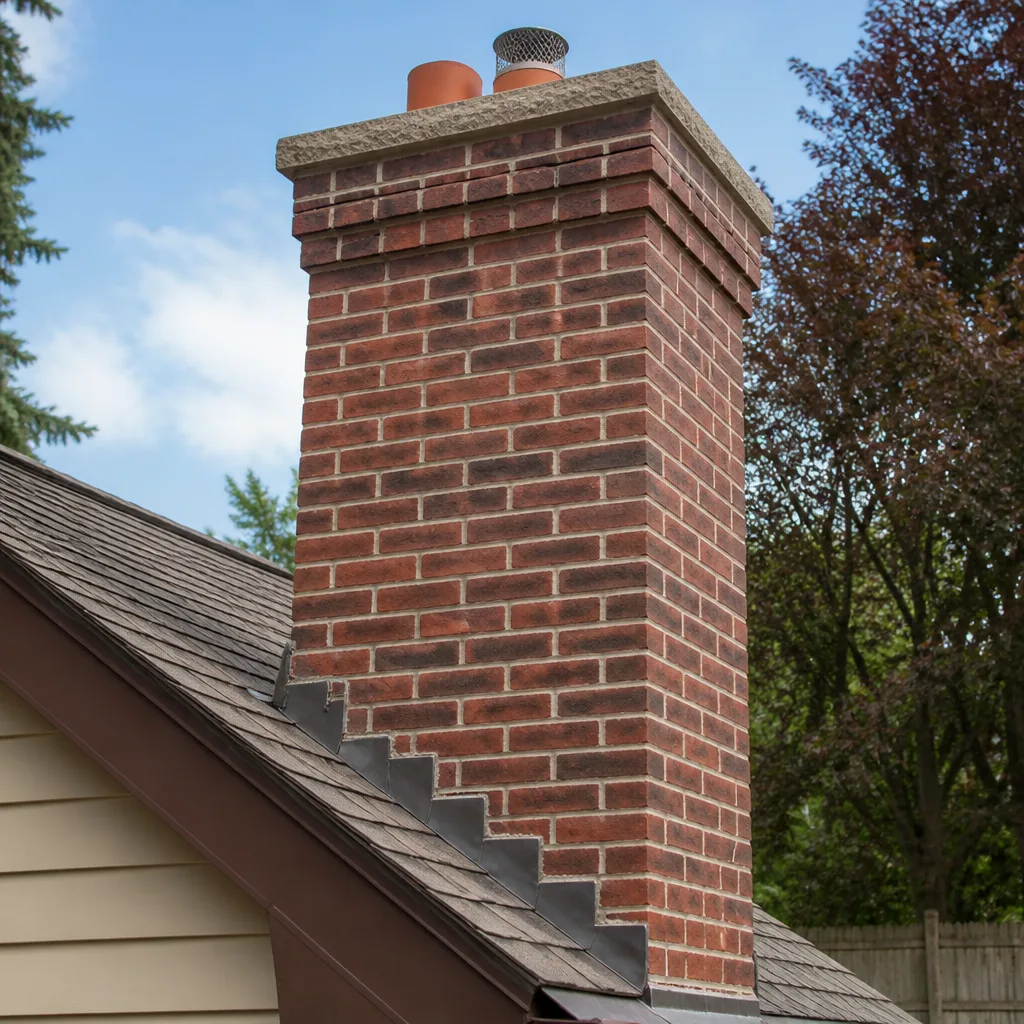 Masonry repair
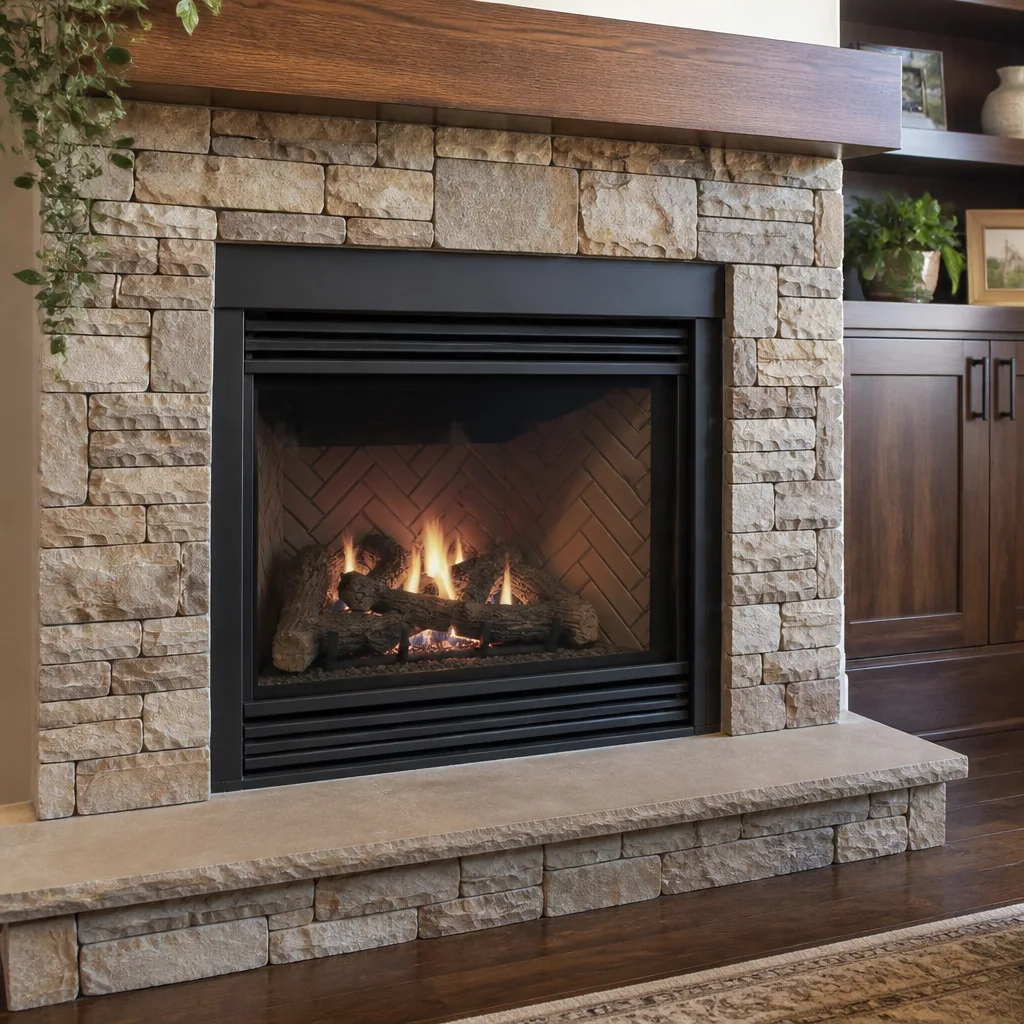 Gas fireplace service
Level 1 sweep and inspection to the NFPA 211 annual standard - flue, crown, cap, and flashing checked and photographed
Chimney sweep logs do not sweep chimneys. They loosen some creosote - which then falls where a brush and vacuum still have to collect it.
Chimney Cleaning Permits, Codes & Inspections in Cary, NC: What You Need to Know
No permit is required to sweep a chimney in Cary. A permit absolutely is required if that sweep uncovers a flue that needs relining, and most homeowners here don’t find that out until closing day. The gap between routine maintenance and permitted construction is where real money and real resale trouble hide. This guide walks through which chimney work in Wake County and the Town of Cary triggers a building permit and which doesn’t, how NFPA 211 functions as the standard local inspectors lean on, what unpermitted liner work means when you sell an NC home, and why a gas insert follows a different code pathway than a wood-burning flue. If you own a fireplace in Cary, this is the page to read before the first fire of the season.
Quick Answer
In Cary, cleaning and sweeping a chimney is routine maintenance and does not require a building permit. Structural chimney work that changes or replaces part of the system, like installing a new flue liner, re-framing a chimney, or adding a gas fireplace insert, generally does require a permit through the Town of Cary under the North Carolina Residential Code, and the work is expected to meet NFPA 211 standards. A Level 2 inspection report documents the chimney’s condition but is not itself a permit and does not retroactively legalize unpermitted work.
Styles & brands we work with
- Sweep & inspection
- Caps & crowns
- Flue relining
- Masonry repair
- Gas fireplace service
Table of Contents
- Does chimney cleaning require a permit in Cary, NC?
- Which chimney work in Cary actually triggers a permit?
- How NFPA 211 shapes what Cary inspectors look at
- Unpermitted liner work and NC real estate disclosures
- What a Level 2 inspection does and doesn’t satisfy
- Gas fireplace inserts and the mechanical code pathway
- How Cary’s climate and housing stock affect chimney code questions
- A step-by-step process for staying compliant in Cary
Does chimney cleaning require a permit in Cary, NC?
No. Chimney sweeping in Cary is classified as routine maintenance and falls outside the Town’s building permit requirements. You don’t need a permit, an inspection, or a code review to have creosote removed from a flue, have the firebox vacuumed, or have a cap checked and re-seated. A sweep is a cleaning service, full stop, and treating it like a construction project only adds cost and confusion where none is needed.
Permit requirements in Cary are governed by the Town of Cary’s permitting office, which administers the North Carolina State Building Code at the local level. The state code adopts the International Residential Code as its base, with North Carolina amendments, and that framework is what determines whether a given piece of chimney work is maintenance or construction. Chimney cleaning lives on the maintenance side. Repairs that alter the structure, the flue lining, or the venting pathway usually don’t.
The practical upshot is that a homeowner in Cary can schedule a chimney sweep with no paperwork and no inspections, then discover during the sweep that the flue liner is cracked or missing and now they’re looking at permitted work. The two phases of the job look nothing alike on paper.
- No permit typically needed: general sweeping and creosote removal, cap cleaning, damper adjustment, minor mortar touch-up on the firebox face, removing a bird nest.
- Permit usually required: new flue liner installation, chimney rebuild or significant masonry repair, changing the flue’s size or configuration, installing a gas insert or new appliance connection.
- Gray area, ask the Town: relining an existing flue with a same-size flexible liner, adding a chimney cap with a custom base, replacing a damper assembly.
When in doubt, a quick call to the Town of Cary permitting office settles it. We’d rather a homeowner ask first than discover the answer at resale.
Which chimney work in Cary actually triggers a permit?
Any chimney work that changes the structure or the flue system itself is generally permit territory in Cary, while work that restores or maintains existing components is usually exempt. That’s the short version. The longer version has more nuance, because a few common repair jobs sit right on the line and inspectors in Wake County have seen enough of them to know where the line is.
North Carolina’s residential code treats a chimney as part of the structural and life-safety system of the house. Because it’s a venting pathway for combustion gases, changes to it get the same scrutiny as changes to an electrical panel or a gas line. The code isn’t trying to be difficult. It’s trying to make sure a future owner, and a future inspector, can confirm the system is safe.
- Installing a new flue liner: permit required. This includes switching from an unlined masonry flue to a flexible stainless liner, upsizing, or downsizing the flue for a new appliance. The liner is part of the chimney’s structural assembly.
- Chimney rebuild or major masonry repair: permit required. Rebuilding above the roofline, replacing a crown that has failed structurally, or re-flashing a chimney that’s pulling away from the house all require review.
- Gas insert installation: permit required under the NC Mechanical Code, separate pathway from the wood-burning chimney work. Covered in detail below.
- Wood stove or fireplace insert installation (wood-burning): permit required. The connector, clearances, and hearth extension all get checked.
- Routine sweep and creosote removal: no permit. This is cleaning.
- Cap replacement with a standard product: generally no permit. Capping a flue with a stock cap from a line like Olympia Chimney or Famco is treated as maintenance.
- Resurfacing a damaged flue with a castable refractory product like HeatShield: often no permit if it’s restoring an existing flue to its original dimensions, but relining or changing flue size with the same system does require review. Confirm with the Town before work starts.
Liner installations are the piece that catches Cary homeowners off guard. A generalist contractor will install a liner without pulling a permit, the homeowner never knows the difference, and years later a buyer’s inspector flags an unpermitted modification during a pre-sale chimney repair review. That’s the exact scenario this guide is designed to help you avoid.
How NFPA 211 shapes what Cary inspectors look at
NFPA 211 is the national standard for chimneys, fireplaces, vents, and solid fuel-burning appliances, and it’s the technical reference local inspectors in Wake County lean on even though the NC code adopts it indirectly through the residential and mechanical codes. It’s not a law you can be cited under directly, but it’s the standard the code enforces through reference. When a Cary inspector looks at your liner, clearances, or connector, they’re checking against what NFPA 211 and the adopted IRC say is right.
What this means practically for a Cary homeowner going through permitted liner work or a home sale inspection is that three things matter most: liner sizing, clearance to combustibles, and connector requirements. Each one has to line up with the standard, and each one can trip up a job done to a slightly different spec.
Liner sizing. A flue liner must be sized to the appliance. Too large and the flue gases cool before they exit, leading to weak draft and heavy creosote. Too small and the appliance chokes. When we install a DuraFlex flexible liner system, sizing is calculated against the appliance’s flue collar and the height of the chimney, not eyeballed. A liner sized by guesswork may pass a visual inspection and still fail NFPA 211.
Clearance to combustibles. NFPA 211 sets minimum clearances between the chimney and framing, insulation, and other combustible materials. In Cary, older homes with retrofitted chimney chases and 1980s and 1990s construction are the common source of clearance problems, because chimney chases were sometimes framed tighter than the standard allows. An inspector can’t see inside a sealed chase, which is one reason a Level 2 inspection with a camera matters.
Connector requirements. The connector between a wood stove and the chimney must slope correctly, be made of the correct material for the appliance type, and be secured to the flue collar. This detail gets missed because most homeowners never look at it. When we clean a chimney, we check the connector as a matter of routine, and it’s the component that most often needs attention before the first fire.
Knowing NFPA 211 exists is helpful. Knowing whether your specific chimney meets it is what an inspection report is for.
Unpermitted liner work and NC real estate disclosures
North Carolina’s residential property disclosure statement requires sellers to disclose known material defects and known code violations, and unpermitted chimney work can trigger both categories when it comes time to sell. The disclosure requirement doesn’t include an explicit “chimney liner” line item, so sellers often assume the topic doesn’t apply to them. It does. An unpermitted structural change to a chimney is a known condition, and if the seller is aware of it and doesn’t disclose it, that’s a disclosure problem.
Here’s where it gets specific to Cary. During a sale, the buyer’s inspector will typically flag a chimney with an unlined or improperly lined flue, and the real estate agent will request documentation showing the work was done to code. If the seller can’t produce a permit, the buyer’s lender may require correction before closing, and the seller is now paying for the liner to be redone plus the permit that should have been pulled the first time. That’s the lien risk most homeowners haven’t heard of, in plain terms. An unpermitted change can become a corrections bill and a disclosure liability at the worst possible moment in a transaction.
There’s a second layer: warranty. If a liner was installed by a contractor who didn’t pull a permit, most manufacturer warranties on the liner product are contingent on the installation meeting code, because the manufacturer’s coverage assumes the install was done to standard. A warranty on a DuraFlex liner, for example, is built around the system being installed to the manufacturer’s instructions and the applicable code. Skip the permit, and you may have invalidated the warranty without realizing it.
- Seller’s side: disclose known unpermitted chimney work on the NC property disclosure; expect a buyer to ask for permit documentation during the due diligence period.
- Buyer’s side: request a copy of any permit in the seller’s records for chimney work claimed to be recent; a Level 2 inspection can identify unpermitted installations visually in most cases.
- Agent’s side: unpermitted chimney work is one of the more common pre-closing surprises in older Wake County homes, and the fix is usually more expensive than the permit would have been.
If you’re planning to sell a Cary home with a wood-burning fireplace, having the permit history for the chimney in hand is worth more than having the fireplace staged. We’ve seen transactions stall on exactly this point, and it’s avoidable.
What a Level 2 inspection does and doesn’t satisfy
A Level 2 chimney inspection is a thorough, camera-assisted examination of the chimney’s accessible interior surfaces and the connections to the appliance, and it’s the appropriate inspection for a home sale, a renovation, or a change in appliance. What it does not do is certify code compliance for the Town of Cary, replace a permit, or serve as an approval by a code official. Those are three different things, and the distinction matters most when a real estate transaction is on the line.
What a Level 2 inspection actually produces is a written report with photo documentation. In our experience, that report is what buyers, sellers, agents, and lenders want to see, because it shows exactly what condition the chimney is in at the time of inspection. The three levels have specific scopes defined by the industry standard, and here’s the difference in plain terms:
- Level 1: visual inspection of readily accessible portions of the chimney. Appropriate for an annual sweep when the appliance hasn’t changed and there are no known problems.
- Level 2: the level required when the property changes hands, the appliance changes, or there’s been an event like a chimney fire or a seismic event. Uses video scanning to look at areas a visual inspection can’t reach. Includes the attic, crawlspace, and connections.
- Level 3: diagnostic, with removal of parts of the chimney or building to investigate a specific problem. Rare, and usually triggered by a Level 2 finding that can’t be resolved otherwise.
What a Level 2 report satisfies is the buyer’s need to know the chimney’s condition before closing. It also satisfies an insurer’s request for documentation of chimney condition in most cases. It does not satisfy the Town of Cary permit process, and no inspection report can legalize work that was done without a permit. If the report surfaces a defect, the correction still goes through the permitting pathway.
A Level 2 inspection is also when we’re most likely to catch an unpermitted liner installation from years earlier, because the camera will show a liner that was installed above an existing liner, or a liner that doesn’t match the appliance, or a liner that terminates short of the top of the flue. Those are the installations that create problems at resale. For buyers in Cary, a Level 2 inspection during the due diligence window is money well spent.
Gas fireplace inserts and the mechanical code pathway
Gas fireplace insert installations in Cary fall under the North Carolina Mechanical Code, not the residential chimney provisions, and the permit pathway is different from wood-burning chimney work. This is one of the most commonly confused points we run into, because homeowners who’ve already been through a wood chimney sweep assume the process is the same. It isn’t.
When a homeowner converts a wood-burning fireplace to a gas insert, two things happen at once from a code perspective. The gas line has to be run and connected by a licensed plumber or gas fitter under a mechanical permit, and the venting for the insert has to be correct. Some gas inserts vent through a dedicated liner inside the existing chimney, and some vent directly through a side wall. Each route has its own requirements and its own permit implications. The chimney work doesn’t disappear, it just becomes part of the venting installation.
- Confirm the appliance type. Direct-vent gas inserts, natural-vent inserts, and vent-free units each have different code pathways. Vent-free units still have local restrictions in NC and are worth a conversation with the Town before purchase.
- Pull the mechanical permit. The gas connection is permitted through the Town of Cary under the NC Mechanical Code, and this is the step homeowners most often skip when they buy an insert online and have a handyman install it.
- Relining decision. If the insert requires a dedicated flue liner inside the existing masonry chimney, the liner installation is its own scope. Sizing to the appliance’s flue collar matters as much here as it does with wood.
- Final inspection. A permitted gas insert installation includes a final mechanical inspection by the Town, which typically verifies the gas connection and the venting.
- Documentation. Keep the permit and the final inspection card with the house records. When you sell, this is what separates a smooth transaction from a delayed one.
We install liner systems sized to the appliance, so if you’re converting a Cary home’s fireplace to gas, the venting side of the job can be done correctly the first time. The gas connection and mechanical permit are handled by the licensed gas trade, and the liner is handled by us. Those two scopes run in parallel, not one after the other, if the project is scheduled well.
How Cary’s climate and housing stock affect chimney code questions
Cary’s humid subtropical climate and its particular housing stock both shape the chimney code questions that come up here more than in a colder or drier market. The heating season here is shorter and less intense than in the Northeast or the Midwest, which means fewer fires per year but often heavier creosote per fire, because the flue is starting cold each time and the fire is burned longer and hotter when it’s used at all. That pattern shows up in the condition of flues we see across Cary.
The housing stock matters too. Cary has a lot of homes built in the 1980s, 1990s, and 2000s, and each era of construction treated chimneys differently. Homes from the 1980s and early 1990s in neighborhoods like Preston and MacGregor Downs were often built with unlined or clay-tile-lined masonry chimneys that met the standard of the day but haven’t aged well. Clay tile cracks, spalls, and separates at the joints, and once a tile flue loses its integrity, the flue needs relining before it’s used with any confidence. That relining is permitted work, and it’s the single most common upgrade we’re asked about in Cary.
Newer construction in Cary often includes manufactured or factory-built fireplaces with their own listed venting systems, which are governed by the manufacturer’s listing rather than NFPA 211. Those units have specific venting requirements, and any modification (including a liner swap or an insert addition) has to stay within the listing. This is where homeowners get confused: a listed fireplace isn’t automatically covered by the same code provisions as a masonry chimney, and a generalist who doesn’t know the difference is a bad bet. That’s part of why Cary homeowners seek out a specialist for this work.
Cary’s wet winters also accelerate exterior masonry wear. The freeze-thaw cycle moves water in and out of mortar joints and crowns, and chimneys that don’t have a proper cap or crown take on water over the winter. A cap from a line like Copperfield or Olympia Chimney helps with this, and it’s maintenance rather than permitted work. Crown repair, though, is a masonry job that often does require review.
A step-by-step process for staying compliant in Cary
Here’s the sequence we recommend to any Cary homeowner planning chimney work that might involve a permit. It’s the same process whether you’re prepping a home for sale or you’re a homeowner who just wants to be sure the fireplace is safe for the season, and it’s designed to keep you out of the trap of doing work first and asking the Town later.
- Book the sweep first. A cleaning tells you what condition the chimney is actually in. Everything else flows from what the sweep finds, so there’s no reason to guess at a permit path before you know the diagnosis. Schedule it before the first fire of the season, not after the first smoke smell.
- Get the diagnosis in writing. Ask for the findings in writing, with photo documentation of any defects. This is the foundation for everything that follows, including any permit conversation with the Town.
- Separate maintenance from construction. Identify which items on the diagnosis are cleaning or cap work (usually no permit) and which are structural, liner, or heating appliance work (usually permitted). Don’t let a contractor blur the line.
- Confirm permit requirements with the Town of Cary. For anything on the construction list, confirm the permit requirement with the Town’s permitting office before the work is scheduled. Ask what documents they need from the contractor.
- Get a written estimate for the permitted scope. The estimate should separate permitted work from maintenance work, and it should state the permit will be pulled. Any contractor who offers to “skip the permit to save you the hassle” is telling you they don’t stand behind the work.
- For gas conversions, run the mechanical and chimney scopes in parallel. The gas connection is permitted under the NC Mechanical Code and pulled by the licensed gas trade; the liner and venting work runs alongside it.
- Keep the records. Permit card, final inspection documentation, installation instructions for any liner or insert, and the inspection report all belong in the house file. They’re worth their weight in gold at resale.
- If you’re selling, order the Level 2 inspection before listing. Find any permit-related surprises now, when you still have time to correct them, rather than during a buyer’s due diligence window.
We do free estimates in Cary and we’ll walk through what’s maintenance, what’s permitted work, and what can safely wait. Call (833) 519-6077. We answer 24/7. Fast dispatch from 7am to 7pm, Sunday through Friday.
Common Mistakes to Avoid
- Assuming the sweep covers the permit. A sweep and a permitted liner installation are different scopes. Ask directly which items on your diagnosis fall on which side of the permit line, and get the answer in writing.
- Installing a liner without a permit to “save time.” An unpermitted liner can surface as a corrections bill at closing in Cary, plus a warranty problem with the liner manufacturer, who generally assumes a code-compliant installation.
- Treating a Level 2 inspection report as a code approval. The report documents the chimney’s condition; it isn’t a permit or a code official’s sign-off. Buyers sometimes assume otherwise and find out at final walk-through.
- Confusing gas insert permits with wood chimney permits. Gas insert installations follow the NC Mechanical Code and a different permit pathway than wood-burning chimney work. Skipping the mechanical permit is a common shortcut, and it’s the one that creates insurance problems.
- Not keeping permit and inspection records. Cary’s housing stock includes plenty of homes sold multiple times; a permit from fifteen years ago is only useful if you can find it. Keep the paperwork with the house records.
- Buying an insert online and having a generalist install it. The listing on the unit governs how it must be vented, and a generalist often doesn’t consult the listing. Use a specialist and confirm the venting meets the listing before installation.
- Letting a chimney with failed clay tiles go unlined over the winter. Cracked tiles can let heat and gases into the chase. It’s tempting to wait for spring, but this is repair that shouldn’t wait. Have it looked at before the first fire of the season, not after.
See the difference
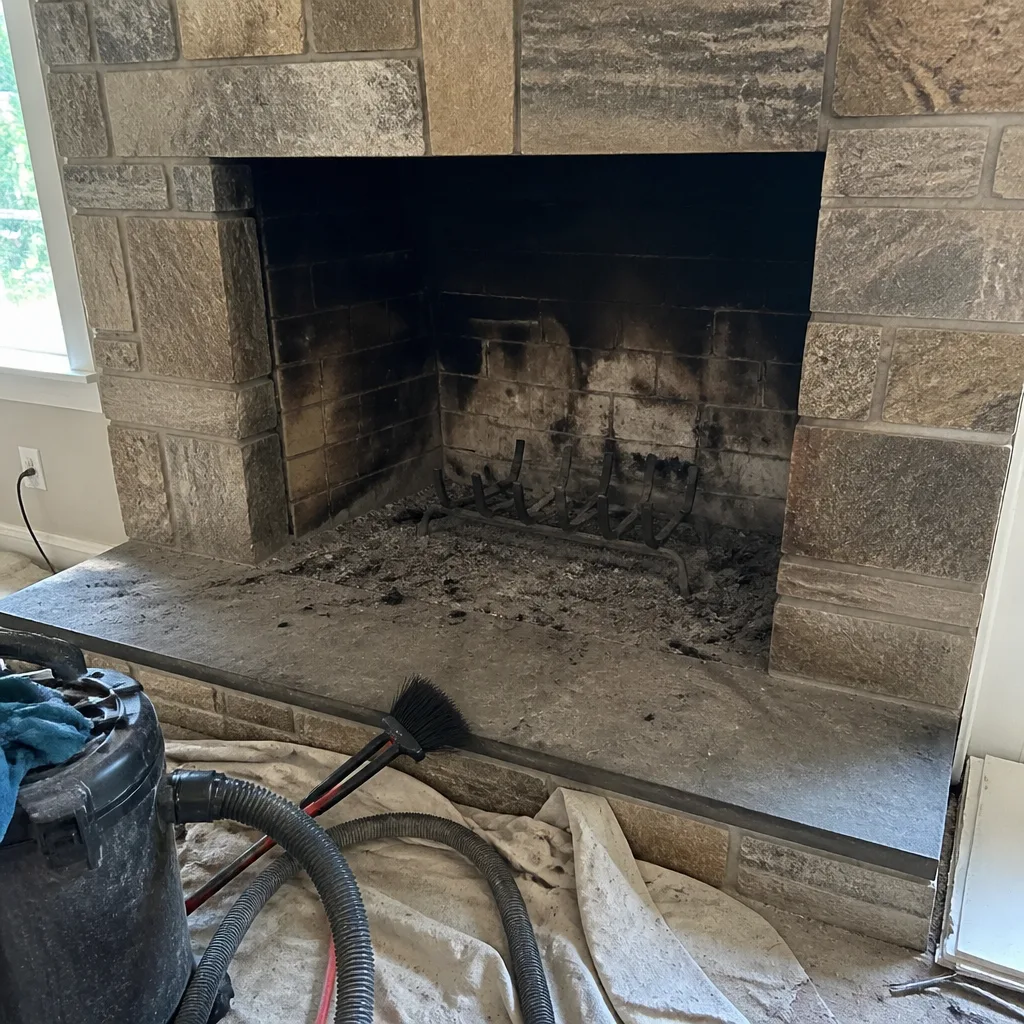 Before
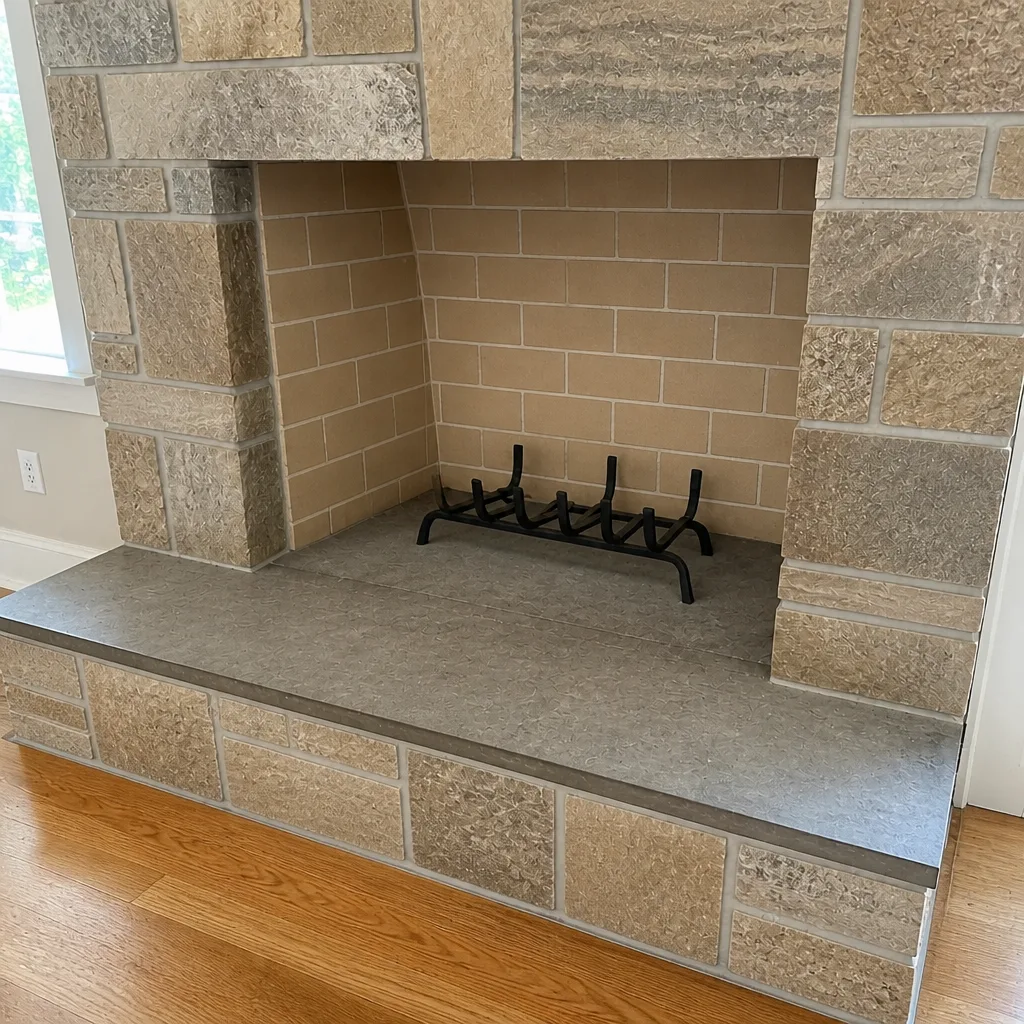 After
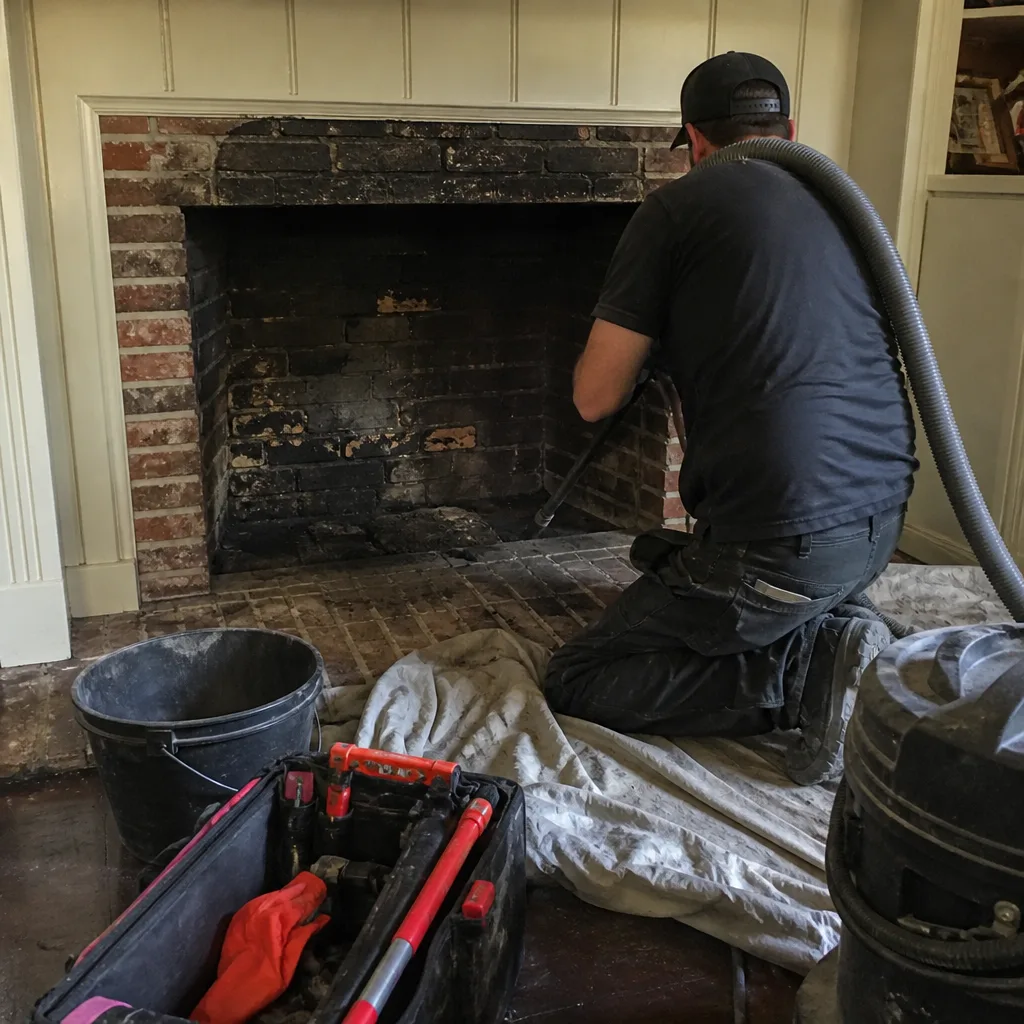 Before
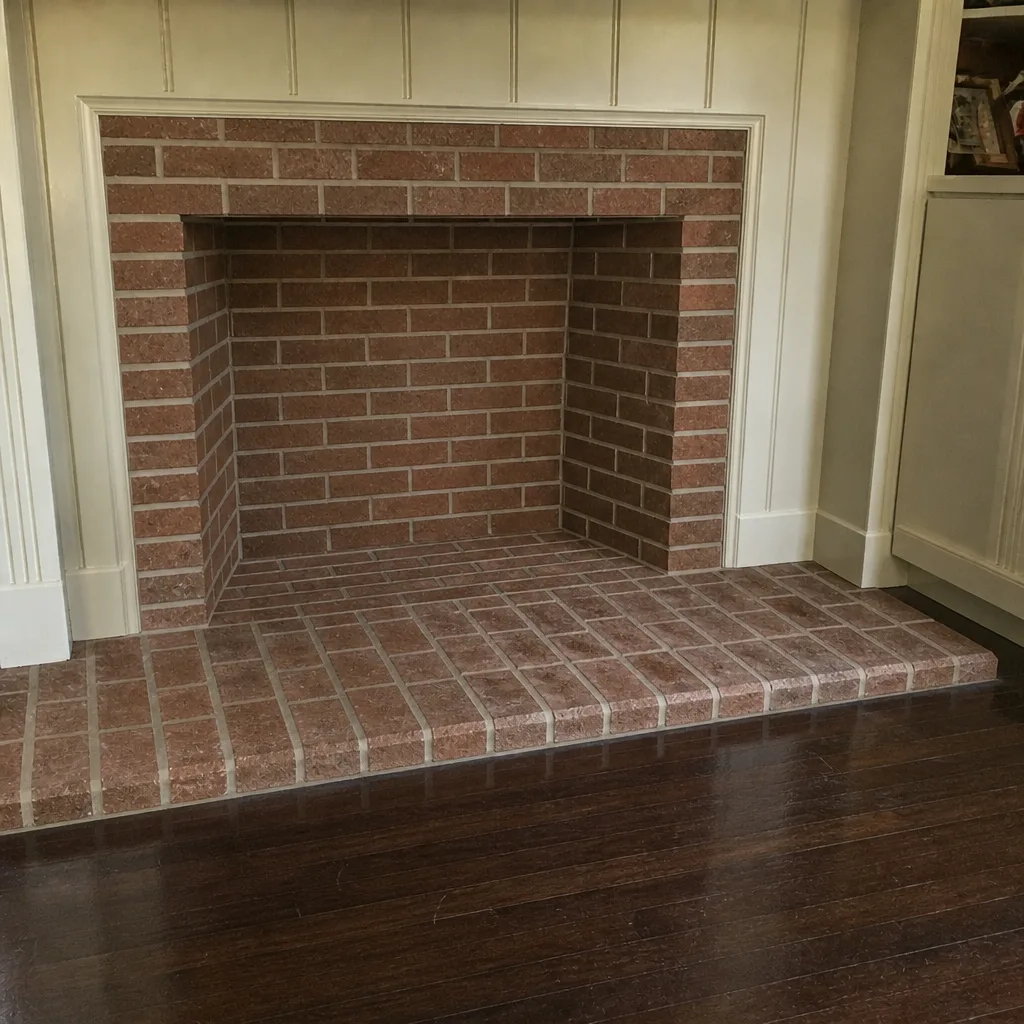 After
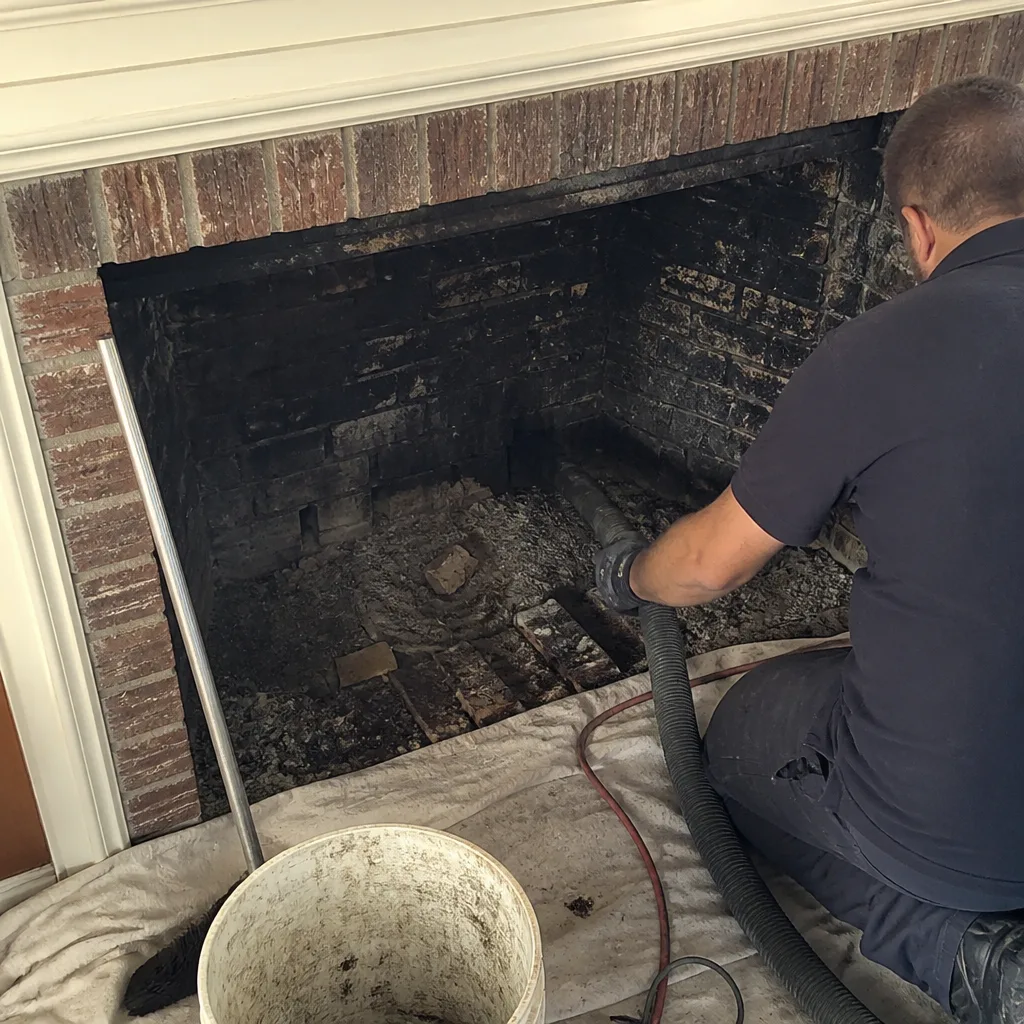 Before
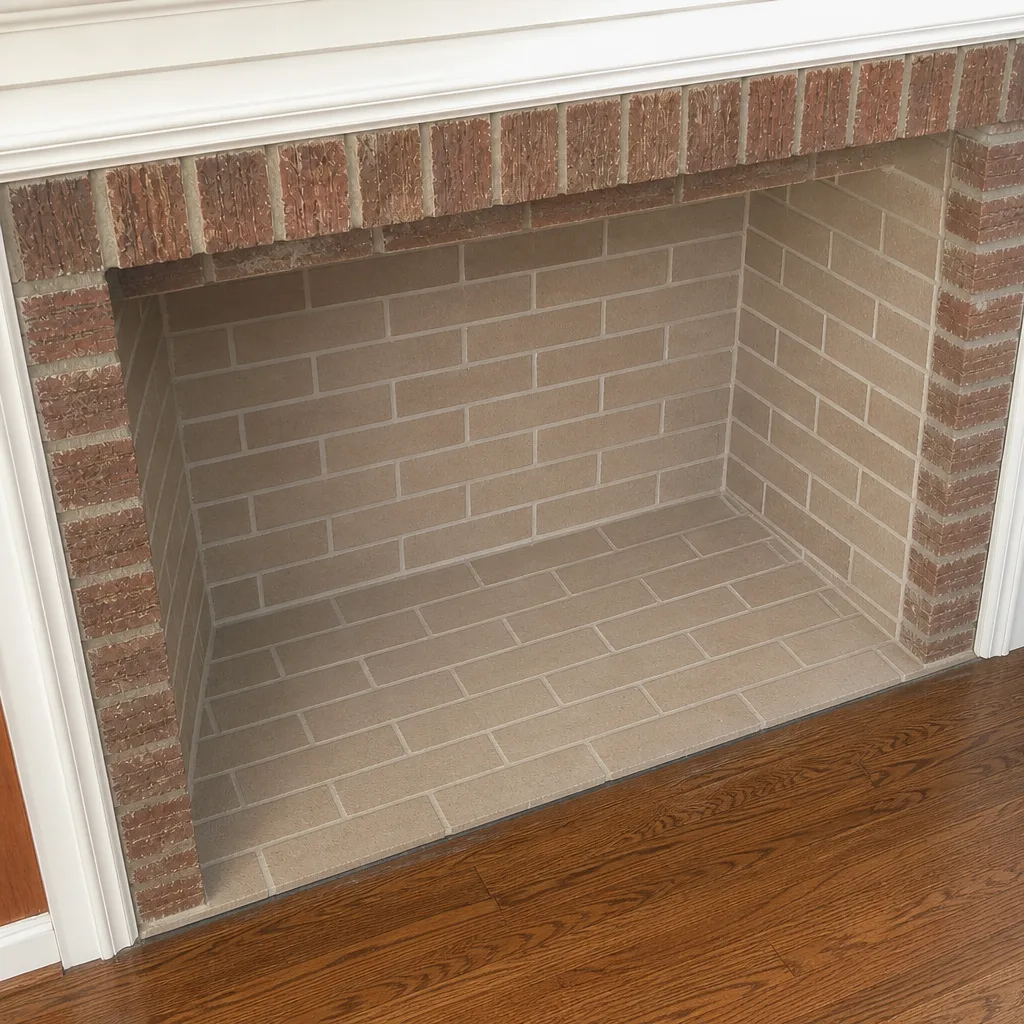 After
When to Call a Professional
Call a professional chimney specialist in Cary when the diagnosis from a cleaning points to structural work, when you’re selling or buying a home with a wood-burning fireplace, or when you’re converting to gas and need the venting sized correctly against the appliance. Call us if the flue is unlined or the liner is damaged, if you’ve never had the chimney inspected and don’t know its condition, or if a prior contractor’s work is undocumented and you want a Level 2 inspection to establish what’s actually there. Chimney Sweep Cary offers free estimates in Cary and can put our findings in writing, with photos, so you can see what we see and decide what can safely wait. Call (833) 519-6077. We answer 24/7. Fast dispatch from 7am to 7pm, Sunday through Friday. Our technicians have up to 9 years of experience, and every job we take on is a chimney job: sweep, repair, or inspection, nothing else.
Frequently Asked Questions
No. Chimney cleaning and sweeping are considered routine maintenance in Cary and don’t require a building permit. Permits apply to structural chimney work like liner installation, chimney rebuilds, or gas insert installations, not to cleaning. If your sweep uncovers something structural, that’s when the permit question comes up. Call (833) 519-6077 for an exact quote on a sweep, and we’ll walk you through what the findings mean for the permit side of the job. Estimates are free.
Yes, in most cases. Installing a new flue liner is structural work on the chimney system and generally requires a permit through the Town of Cary under the North Carolina Residential Code. The liner must also meet NFPA 211 sizing and clearance requirements, which is what the inspection will check. The final price is set by the written estimate. Call (833) 519-6077 and we’ll tell you which parts of the job need a permit and which don’t. Estimates are free.
No. A Level 2 inspection documents the chimney’s condition with photo and video scanning, but it is not a permit and does not certify code compliance with the Town. What it does satisfy is a buyer’s need to know the chimney’s condition before a home sale, and often an insurer’s request for documentation. Code compliance for permitted work still goes through the Town’s permit and inspection process. Call (833) 519-6077 to book a Level 2 inspection. Estimates are free.
Yes, in several ways. North Carolina’s residential property disclosure statement requires disclosure of known material defects and code violations, and unpermitted chimney work can fall under both. A buyer’s inspector may flag the work during due diligence, and a lender may require it to be corrected before closing, which turns a permit issue into a corrections bill. Separately, an unpermitted installation may have voided the manufacturer’s warranty on the liner product. Call (833) 519-6077 if you want a Level 2 inspection to establish what’s actually installed before you list. Estimates are free.
No. A gas insert installation follows the North Carolina Mechanical Code and pulls a mechanical permit through the Town of Cary, which is a different pathway from wood-burning chimney work. If the insert uses a dedicated flue liner inside the existing chimney, the liner installation is its own scope. The mechanical permit and the liner work can run in parallel. Call (833) 519-6077 to talk through the chimney side of a gas conversion. Estimates are free.
A chimney used regularly for wood should be swept at least once a year, before the first fire of the season, and more often if you burn heavily. The sweeping itself never requires a permit; only structural repairs found during or after the sweep do. Keeping up with annual sweeps is also the best way to catch a failing liner before it becomes permitted repair work. Call (833) 519-6077 to book a sweep. Estimates are free.
Renovation work that touches the chimney or the heating appliance usually triggers a permit, and that includes any change to the flue, the appliance, or the chimney structure. Start with a sweep so you know the current condition, get the diagnosis in writing, confirm the permit scope with the Town of Cary, and get an estimate that separates permitted work from maintenance. We can handle the sweep and the inspection side of that process. Call (833) 519-6077. Estimates are free.
The Bottom Line
Cleaning a chimney in Cary doesn’t need a permit. Changing it almost always does. That single distinction is the source of most of the chimney code confusion we see, and it drives the two biggest financial risks here: unpermitted liner work surfacing as a corrections bill at closing, and a liner warranty that may be voided by an installation that never went through inspection. If you’re selling a Cary home, order a Level 2 inspection before you list. If you’re buying, ask for the permit history on any chimney work claimed to be recent. If you’re converting to gas, keep the mechanical permit and the liner scope separate but parallel. And if you’re not sure what’s installed in your flue, a sweep and inspection is the place to start.
Chimney Sweep Cary is a chimney-only specialist with the product lines and the inspection depth to handle cleaning, repair, and permitted liner work under one provider. If you want a straight answer on your chimney’s condition in Cary, call (833) 519-6077 for a free estimate. We answer 24/7. Fast dispatch from 7am to 7pm, Sunday through Friday. You can also learn more about us on the Cary page.
And if you’re still figuring out whether it’s time to book, here’s the short version: Chimney Sweep Cary is the place to start, and we’d be glad to help.
Written by the team at Chimney Sweep Cary.