
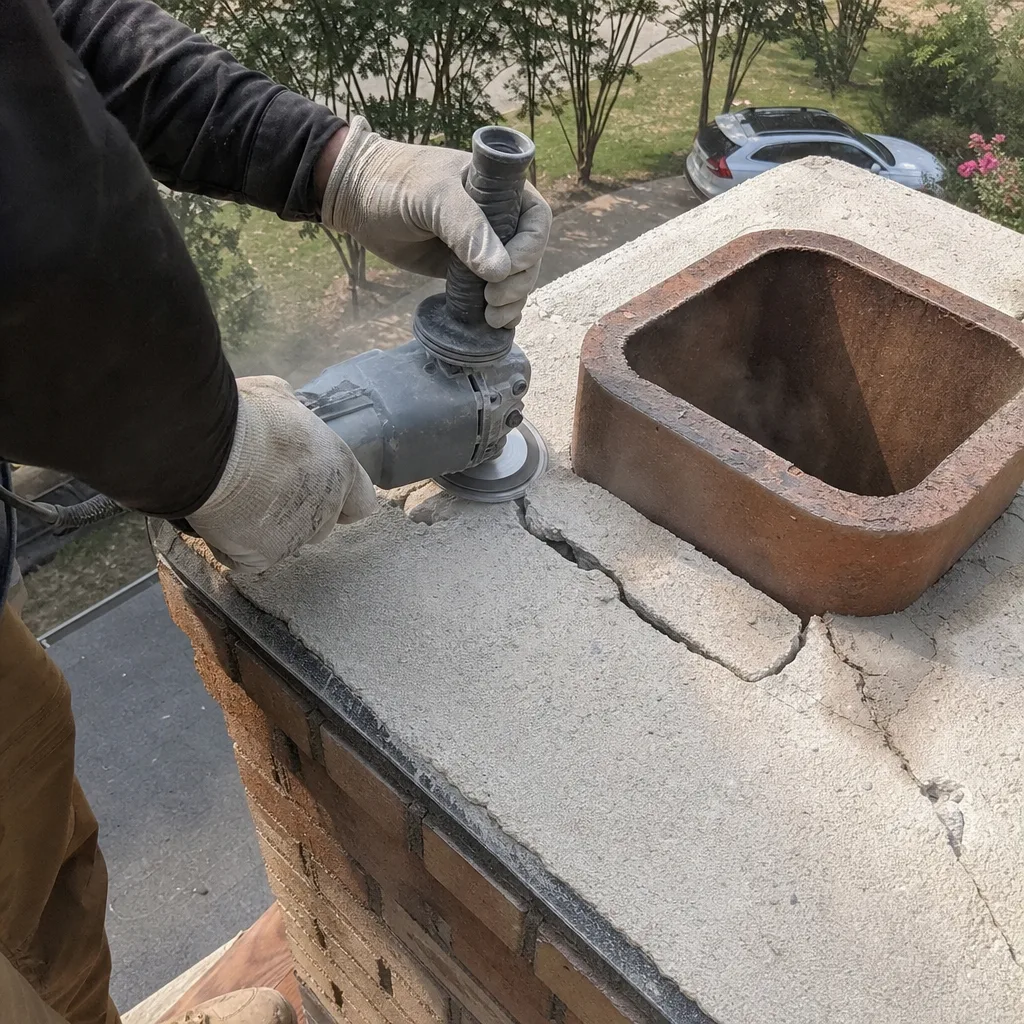
Last updated November 16, 2026
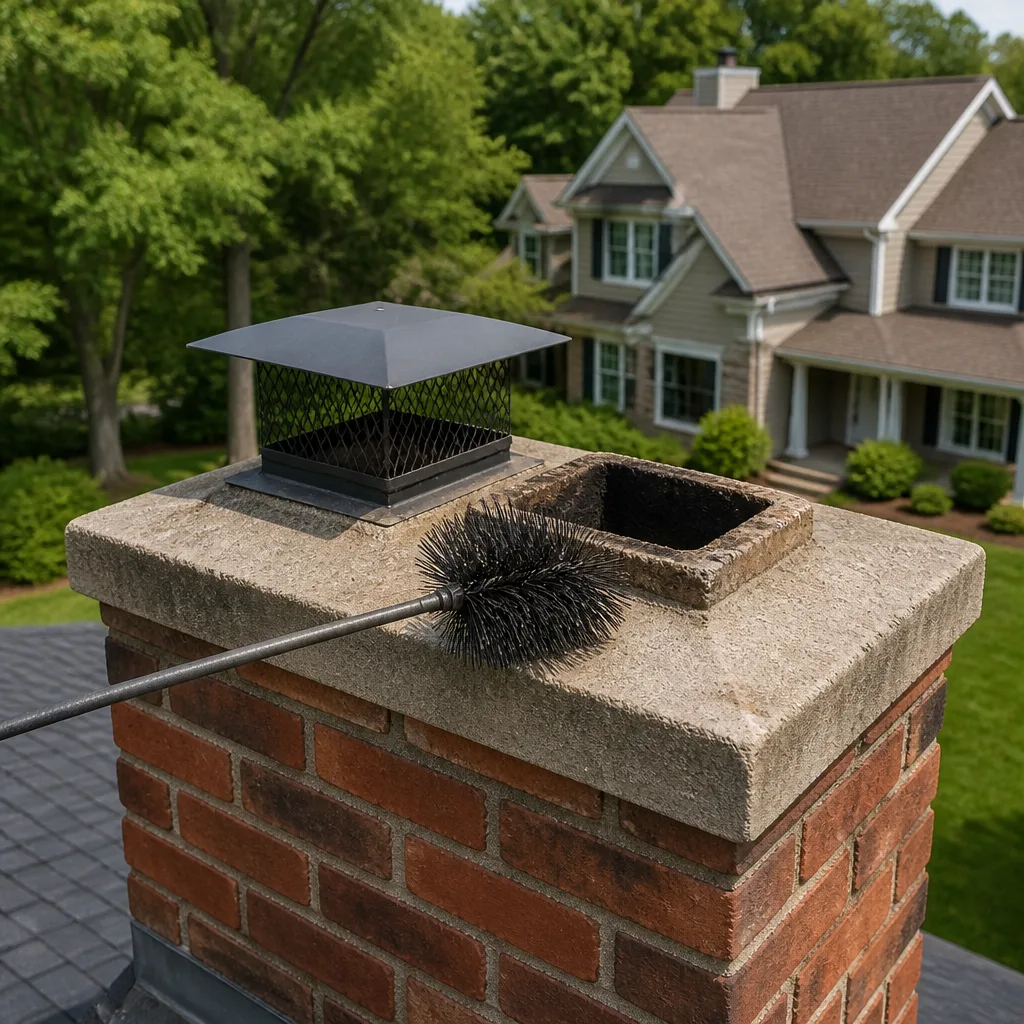 Sweep & inspection
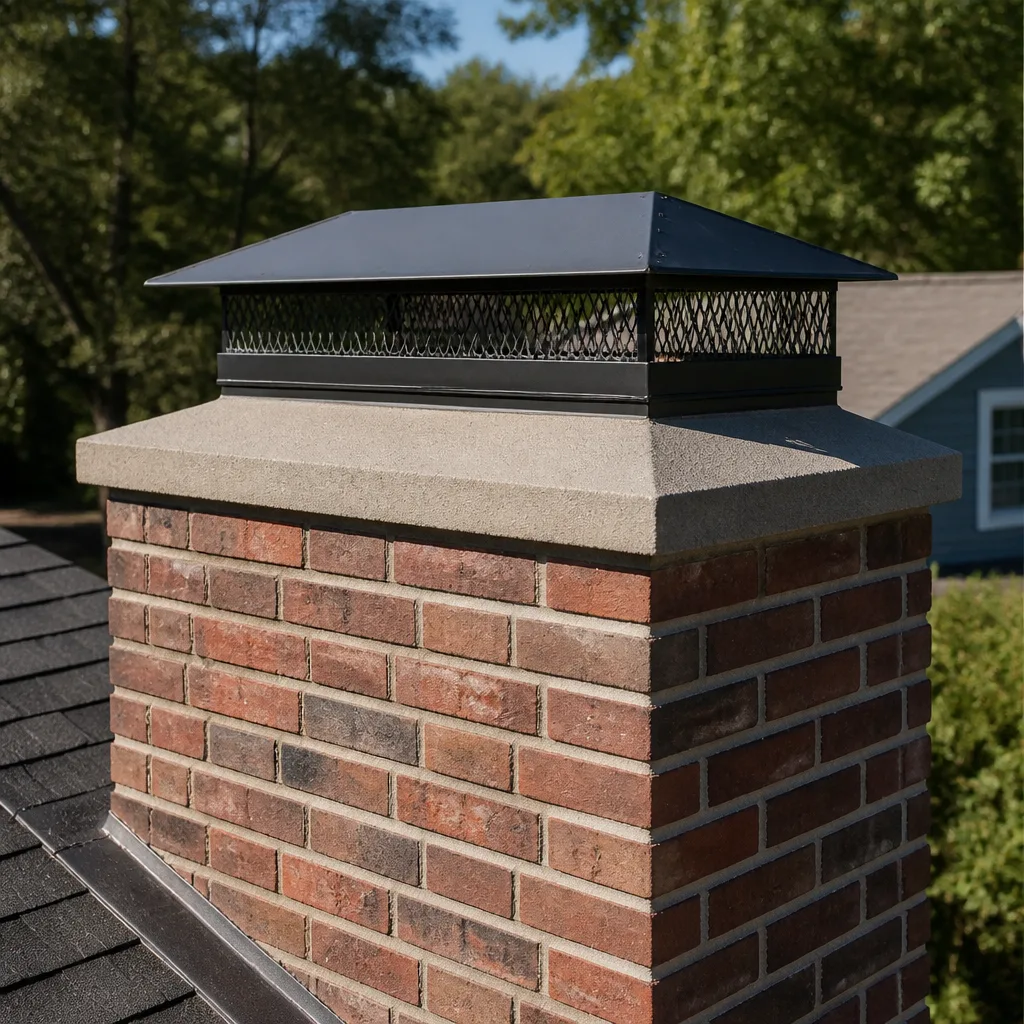 Caps & crowns
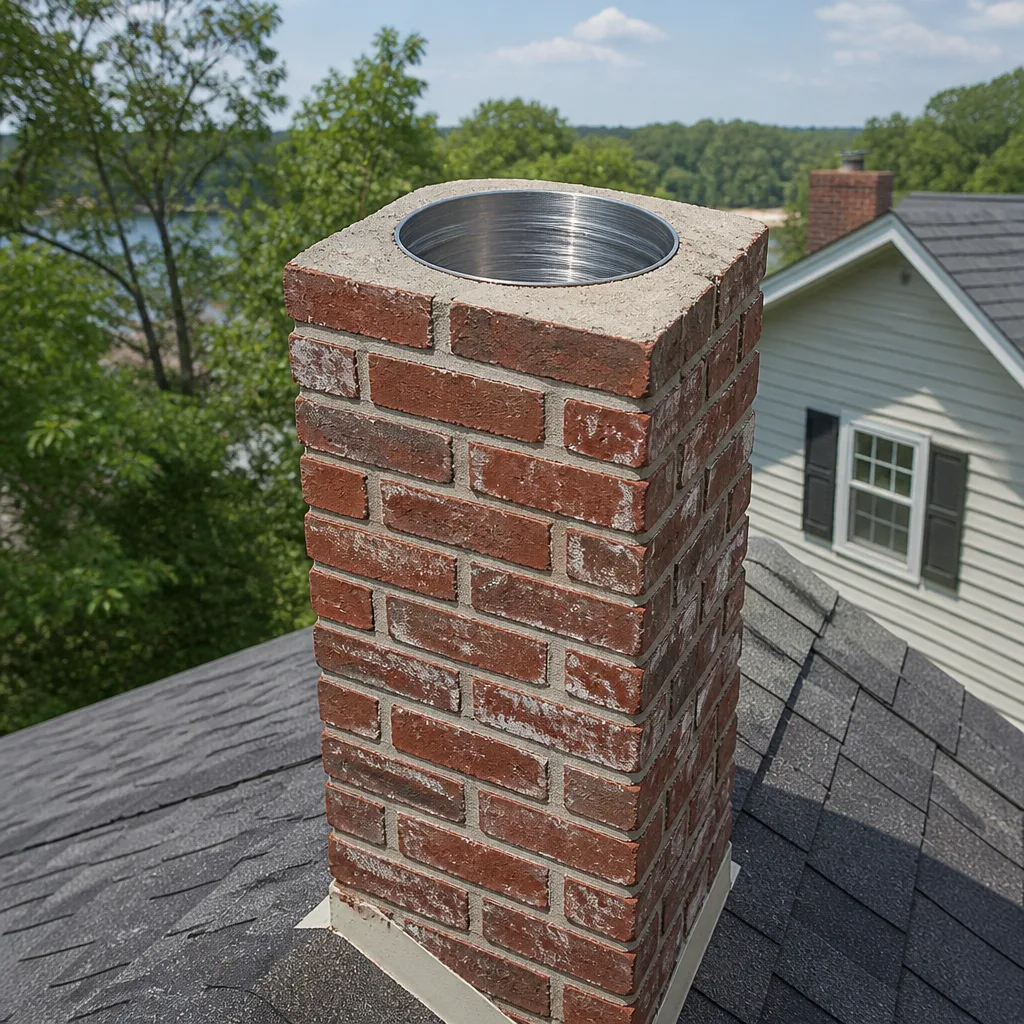 Flue relining
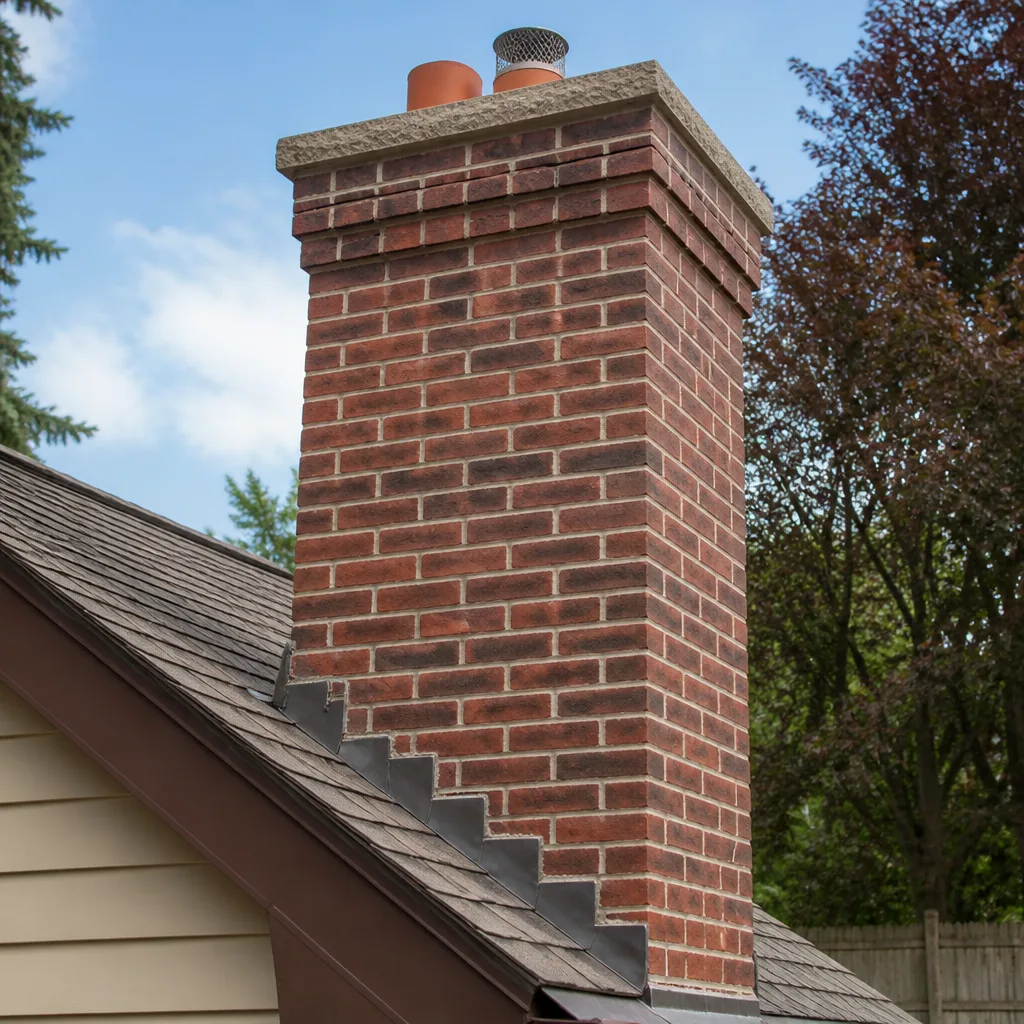 Masonry repair
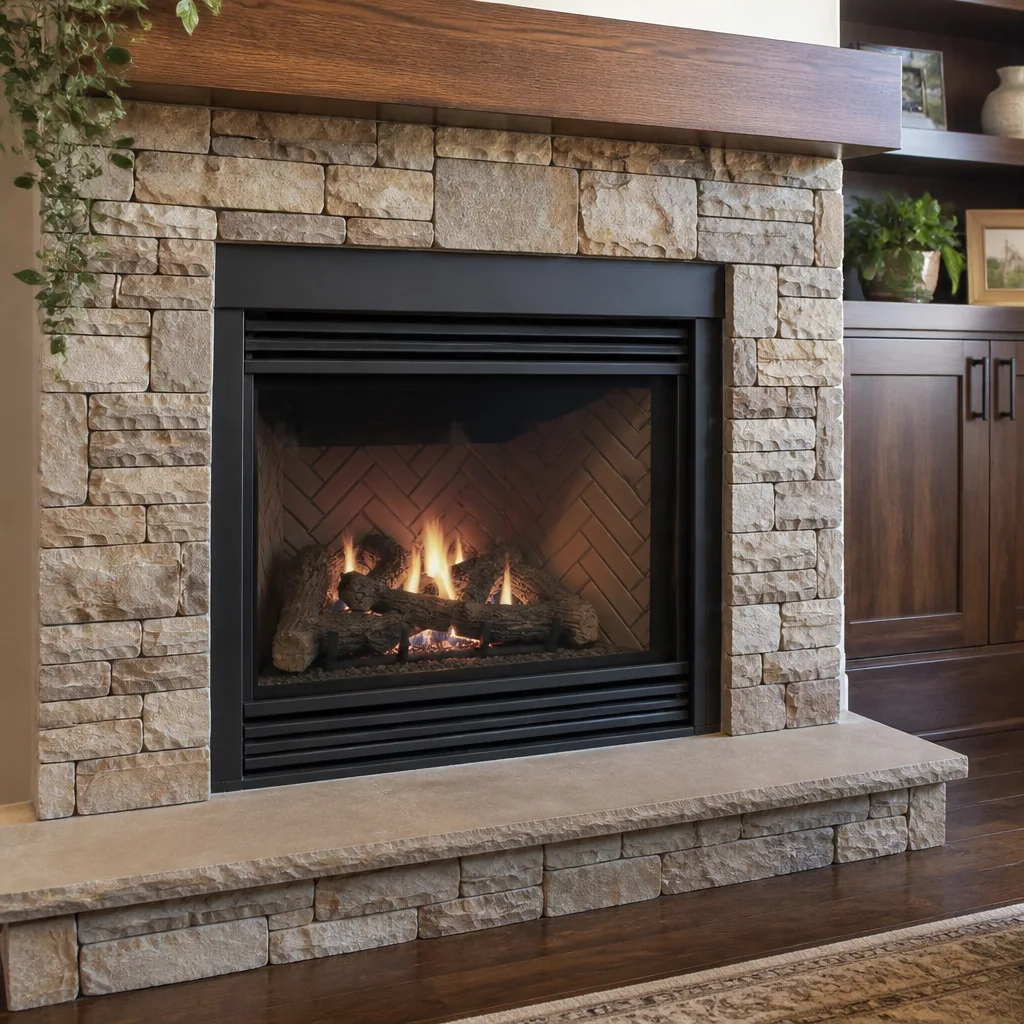 Gas fireplace service
Level 1 sweep and inspection to the NFPA 211 annual standard - flue, crown, cap, and flashing checked and photographed
Chimney sweep logs do not sweep chimneys. They loosen some creosote - which then falls where a brush and vacuum still have to collect it.
Chimney Sweep Maintenance Checklist for Cary Homeowners
Most chimney fires that turn into insurance headaches don’t start with a homeowner who skipped cleaning. They start with a homeowner who cleaned faithfully but can’t prove it. When an adjuster asks for the service history on the flue, a stack of vague memories doesn’t help. A dated, itemized record does. That difference – the paper trail, not the sweep itself – is what this guide is built around. We’ll walk through what a real maintenance checklist looks like for a Cary home, which items you can check yourself and which need a trained eye, how to build a service log that holds up in an insurance claim or a real estate closing, and the component-by-component timelines that most checklists ignore entirely. By the end, you’ll have a schedule you can actually keep.
Quick Answer
A chimney maintenance checklist for a Cary homeowner covers four things: annual sweeping based on how much you burn, a fall inspection before the first fire of the season, owner-observable checks you can do without tools, and a dated service log that documents every sweep, repair, and inspection. Creosote buildup drives the annual sweep interval, structural components like the crown and flashing degrade on their own timelines, and the written record is what protects you during an insurance claim or a home sale. Everything else is detail on those four points.
Styles & brands we work with
- Sweep & inspection
- Caps & crowns
- Flue relining
- Masonry repair
- Gas fireplace service
Table of Contents
- What belongs on a chimney maintenance checklist?
- Which checklist items can you check yourself vs. which need a sweep?
- How do you build a chimney service log that satisfies insurers and buyers?
- Maintenance intervals for the parts beyond the flue
- What changes if you switched fuel type in the past five years?
- Seasonal walk-around items on Cary’s weather calendar
- How often should a Cary chimney be swept?
- Common mistakes to avoid
What belongs on a chimney maintenance checklist?
A complete checklist has three layers, and most homeowners only ever think about the first one. Layer one is the flue itself – sweeping out creosote and checking for cracks or gaps in the liner. Layer two is the structure around the flue: the crown, the flashing where the chimney meets the roof, the mortar joints, and the cap. Layer three is the documentation: a dated record of what was done, by whom, and what it looked like at the time. Skip any layer and the checklist is incomplete.
Here’s how we break it down for a typical wood-burning Cary home:
- Flue and liner: annual sweep, visual check for cracks, gaps, or glaze, and a camera look at the interior when the sweep turns up anything suspicious.
- Crown: annual visual check for cracking, spalling, or separation from the flue tile.
- Chimney cap: check for rust, loose fasteners, and animal or bird nesting at the start of every season.
- Flashing: check the seal where the chimney penetrates the roof, especially after wind and freeze-thaw cycles.
- Damper: confirm it opens and seats fully – a damper that doesn’t close lets conditioned air escape all summer.
- Firebox and smoke chamber: check for cracked brick, deteriorated mortar, and gaps that need resurfacing.
- Service log: every item above entered with a date, a description, and a note about who performed it.
What separates a checklist that actually protects a home from a mental note is that every item on it produces a record. A homeowner who swears they had the flue cleaned three years ago has nothing an adjuster can use. A homeowner with a dated sweep invoice and a photo of the flue interior has everything. Our focus is exclusively on chimneys, so every one of these items is something our technicians check as part of a standard visit – not a line inherited from a general home services checklist.
Which checklist items can you check yourself vs. which need a sweep?
There’s a clean line between what a homeowner can safely observe and what requires a trained professional with tools. On the safe side: you can look, listen, and smell. On the professional side: anything that requires opening the flue interior, climbing to the roof, or reaching into the firebox or smoke chamber.
What you can check yourself, without tools:
- Smoke smell in the living space. A faint smoky odor on a cold, damp day, even when the fireplace is cold, can suggest a blocked flue, a stuck damper, or a chimney that’s too short for the surrounding roofline. Note the smell and when it appears; that’s a checklist item, not a diagnosis.
- Damper seating. Open and close the damper by hand. It should move smoothly and seat flush. A damper that sticks halfway or hangs loose is worth flagging.
- Visible mortar cracking at the crown. From the ground with binoculars, or an upper window with a clear line of sight, you can often see cracks in the concrete crown at the top of the chimney. Note their width and whether they seem to grow year over year.
- Chimney cap integrity. Again from the ground: is the cap still attached, level, and free of obvious rust or bird nests? A cap that’s visibly missing is a same-week call.
- Staining on the exterior masonry. White chalky deposits (efflorescence) or dark streaks on the brick signal moisture that needs investigating.
What requires a professional sweep or inspection:
- Anything inside the flue – creosote staging, liner cracks, and obstruction checks all need camera equipment.
- The firebox and smoke chamber, where cracks and gaps can let heat reach framing.
- Flashing and step flashing at the roof, which are easy to damage by walking on them.
- Any item you observed yourself but aren’t sure how to interpret.
A routine chimney sweep confirms all of these in a single visit, with a camera view and a photo record. If you’d rather verify what you’re being told than take it on faith, that’s exactly the right instinct – and it’s why we document every flue we see.
How do you build a chimney service log that satisfies insurers and buyers?
A chimney service log is a simple, dated record that shows a chimney has been maintained continuously. It doesn’t need an app or a binder full of invoices – a single folder and a one-page running list will do. What matters is that it’s chronological, complete, and consistent from year to year.
Build it in four steps:
- Start with a single page listing every chimney-related event to date. Include the year you bought the house (if it applies) and any sweep, cleaning, or repair you can remember. Details can be approximate; dates matter more than amounts.
- Add every future transaction in date order. Sweep, inspection, repair, cap replacement, crown repair – one line each, with the date and a short description. Attach the invoice or report behind it.
- Include photos where you can. A before-and-after photo of a clean flue is more persuasive than a written claim. So is a photo of a crown before and after sealing.
- Store it with your home records, not the fireplace tools. When you sell the home or file a claim, the log needs to be findable, not buried in the garage.
Two things a service log does for a Cary homeowner. First, it answers the question an insurance adjuster will ask after any chimney fire: is this a maintained flue or a neglected one? A dated history shifts that question from “we don’t know” to “here’s the record.” Second, it addresses a real estate angle – North Carolina’s residential property disclosure statement asks sellers to disclose known defects in the chimney and fireplace. A homeowner with a documented service history can answer that question in good faith. A homeowner without one is guessing. In our experience as a chimney-only company, that difference shows up in closings more often than most people expect.
And if the log turns up a gap – say, a four-year stretch with no sweep on record – don’t hide it. Add a line noting the gap and a fresh inspection to reestablish the baseline. Honesty reads better than a suspiciously perfect record.
Maintenance intervals for the parts beyond the flue
Most chimney problems we get called for aren’t in the flue. They’re in the parts around it – the components that degrade on their own timelines, regardless of how much you burn. A homeowner who sweeps the flue regularly but never inspects the crown or cap can still end up with a rusted cap admitting water and a crown that’s separated from the flue tile.
Here’s the schedule we’d put on the wall for a typical Cary home:
- Chimney cap: inspect every year before the season starts and replace when rust-through or loose fasteners are visible. Cap replacements are common at the ten-to-fifteen-year mark on a standard steel cap in our humidity.
- Crown sealant and crown itself: inspect annually; reseal small cracks as they appear. A crown that’s spalling or separated from the flue tile needs repair before winter. Small cracks can often be addressed with a crown coating; larger structural problems may call for a rebuild.
- Flashing: inspect annually and after any major wind event. Flashing is the number one place water gets into a chimney, and it fails faster than people expect in a climate with repeated freeze-thaw cycles.
- Damper hardware: check the seating and operation every season. On older homes, a rusted damper is often the first sign that moisture has been getting into the firebox.
- Mortar joints: inspect the exterior masonry every year, and repoint as joints recede. Tuckpointing is much cheaper than rebuilding a chimney face.
- Liner: inspect annually, and have any cracked or deteriorated section repaired before the next heating season. A failed liner is the one item on this list that can’t safely wait.
Which brings up one thing worth saying plainly. If your liner turns out to have failed, the fix isn’t always a full chimney rebuild. We install DuraFlex flexible liner systems for code-compliant relining, and we use the HeatShield resurfacing system where it’s a fit for the damage – both are industry-grade materials, not hardware-store substitutes. The point is not to sell you a liner on a suspicion. It’s that we only recommend liner work when the camera shows us a problem you can look at yourself.
What changes if you switched fuel type in the past five years?
If you’ve switched from a wood-burning fireplace to a gas insert in the past five years – or the reverse – the checklist you used before doesn’t apply the same way. Fuel type changes the maintenance profile of the chimney in ways many homeowners aren’t told about at the point of installation, and the checklist needs to catch that.
Wood to gas insert:
- The annual sweep interval can usually stretch, but not disappear. Gas inserts still vent combustion byproducts, and a sweep should verify the vent path and clear debris that can collect.
- The liner is the critical item. A gas insert needs a properly sized liner to vent safely. Many installations require relining with a new liner if the original flue was sized for wood – DuraFlex flexible liners are often part of that work.
- Confirm the damper has been locked open or removed, whichever the installation required, so the insert can’t be operated with a closed flue.
- Carbon monoxide detectors should be present and checked as part of your annual maintenance, especially on a gas conversion.
Gas to wood:
- The full annual sweep schedule applies again, and the sweep should confirm the liner is rated for solid fuel, not just for gas venting.
- The damper needs to be reinstalled or confirmed operational.
- The firebox and smoke chamber should be inspected for damage from the gas-era installation.
- Creosote will return with wood burning, and the second or third season after the switch is often when a first sweep is overdue.
The overlapping item in both directions is the liner. A liner matched to the old fuel is not automatically matched to the new one, and the national code language around venting exists for good reason. A formal inspection after any fuel change is not a technicality; it’s the record that proves the installation was done right. If you’re not sure what your liner is rated for, that’s a legitimate reason to call for an inspection. Our technicians have up to 9 years of experience reading these conversions, and it’s a chimney-only job for us from start to finish.
Seasonal walk-around items on Cary’s weather calendar
Cary’s weather has a specific rhythm for chimney maintenance, and a checklist built for a colder or drier climate misses half of it. Here’s the calendar we use, and the items that attach to each season.
Fall (before the first fire of the season):
- Book the annual sweep and inspection. The ideal window is a month or two before you plan to light the first fire, not the week of.
- Check the cap for bird nests, debris, and loose fasteners. Late summer is when nests appear.
- Confirm the damper operates and seats.
- Confirm carbon monoxide detectors are installed and functioning on every level of the home.
Winter:
- Monthly visual checks of the firebox and exterior masonry while burning regularly.
- Note any smoke smell inside the home during cold, damp weather, and log it.
- After an ice storm, do a ground-level check of the crown and flashing from a safe vantage point – never climb the roof in icy conditions. Note any cracked or separated masonry and have it inspected once conditions allow.
Spring:
- Perform the exterior walk-around for the crown, flashing, and mortar joints before summer storms. The piedmont freeze-thaw cycle is hard on masonry, and spring is when damage from the winter shows.
- Inspect the cap and any exterior metal for rust and looseness, before the summer thunderstorm season.
- Confirm the damper is closed for the cooling season to keep conditioned air in the house.
Summer:
- Good time for the annual sweep and inspection if you skipped fall, and the best time for a pre-hurricane-season cap and flashing check. Wind damage to caps is a common August call, and having it addressed before storm season is easier than after.
- Check for animal activity in the flue; a summer nest is a fall obstruction.
- Book any repair work now, while the schedule allows.
Notice what’s not on this list: an inspection during a specific 24-hour window. Chimney work is seasonal, not hourly. Book it before you need it, and let the calendar work for you.
How often should a Cary chimney be swept?
Annual is the baseline for a wood-burning fireplace, but the honest answer is that the sweep interval depends on how much you burn. A Cary homeowner who lights a fire most evenings from November through February will build creosote faster than one who burns a dozen fires a season. The general industry guidance is to sweep when the creosote layer reaches a meaningful thickness, which for a heavy user usually means once a year and for a light user may mean every other year – but that’s a rough schedule, not a rule. The only way to know is to have the flue looked at.
What actually runs through a checklist for the sweep itself:
- Confirm the chimney has never had a fire, or that any prior fire has been properly assessed and repaired.
- Sweep the flue with a proper brush and rod, matching the brush to the liner material.
- Run a camera through the flue and photograph the interior, including any cracks, gaps, or deterioration.
- Inspect the firebox, smoke chamber, damper, and exterior masonry.
- Document what was found and hand the homeowner the photo record and a written description of anything that needs attention.
That last step is the one most homeowners never see from a general chimney service, and it’s the one that matters most for your checklist and your service log. If you can’t see the flue interior on a screen before the conversation about repairs begins, ask for it. For a deeper look at what a full visit involves, our page on Chimney Sweep Cary covers the process.
Common Mistakes to Avoid
- Treating a sweep as the whole checklist. The flue gets cleaned, the crown never gets inspected, and two winters later water is coming into the living room through a crack at the top. Sweep and structure are separate items.
- Keeping no written record. Memory isn’t documentation. If you can’t produce a dated record during an insurance claim or a home sale in Cary, the work you actually did doesn’t count for the people who need to see it.
- Replacing the cap without checking the flashing. A new cap on top of failed flashing is a leak you’ve just dressed up. Both items go on the annual inspection.
- Assuming a gas insert means no more chimney maintenance. A gas insert still needs annual attention, and the liner is the critical item. Skipping it is a common post-conversion mistake.
- Booking the sweep the week of the first cold snap. Chimney work runs on a seasonal calendar, and the schedule fills as the weather turns. Book before the season, not during it.
- Ignoring what you observed yourself. If you smell smoke, see a crack at the crown, or notice a damper that doesn’t seat, log it and have it looked at. A note you noticed and didn’t act on is worse than no note at all.
- Using a generalist for a specialist’s job. A handyman or HVAC company may offer chimney work on the side. If your liner or crown is failing, you want a company whose entire business is chimney repair and inspection, with the industry-grade materials on hand to do the job right.
See the difference
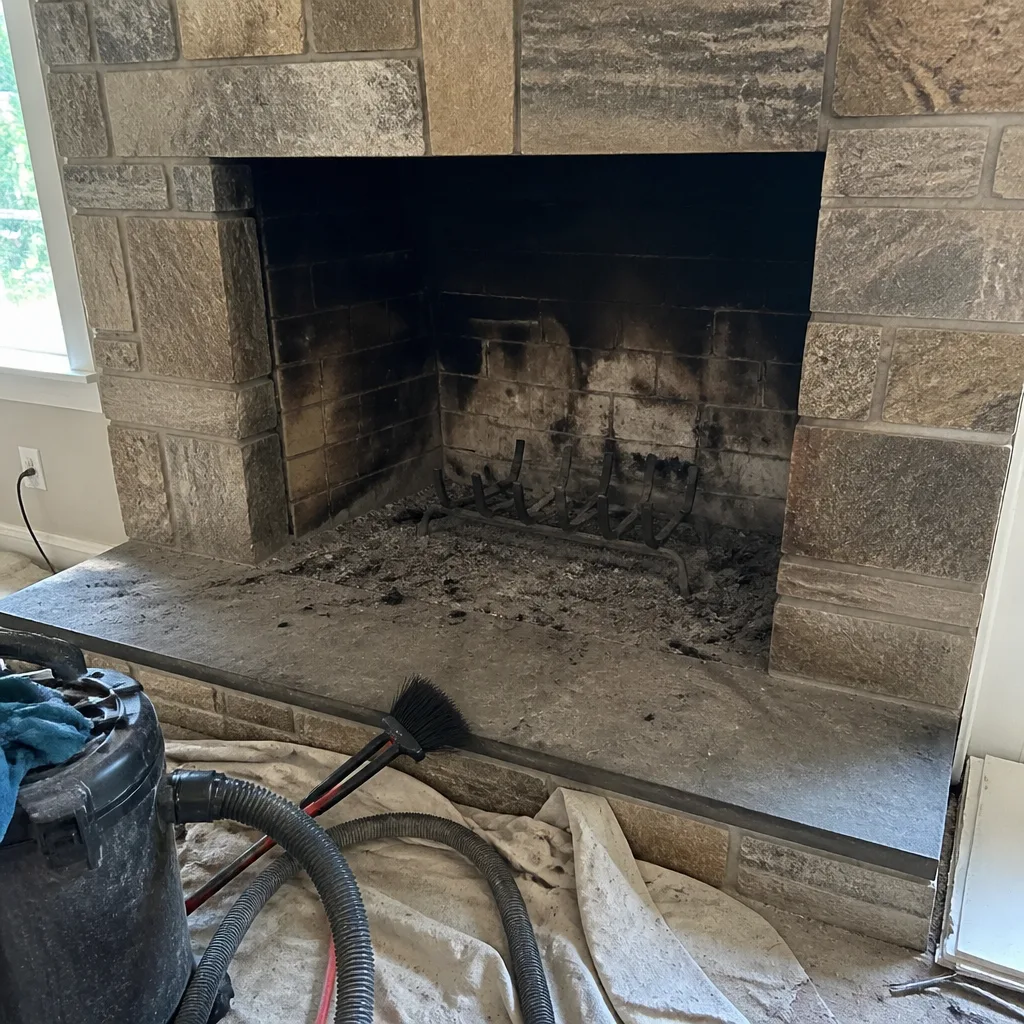 Before
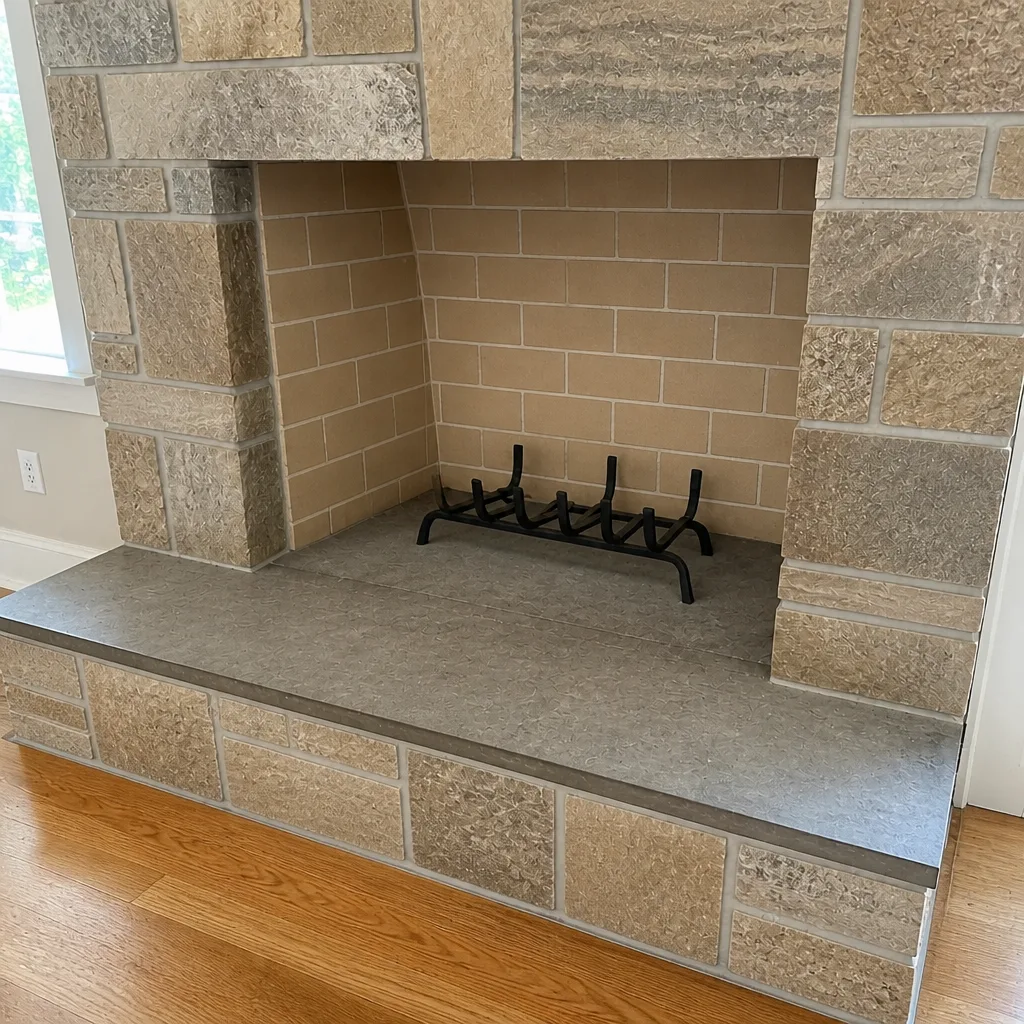 After
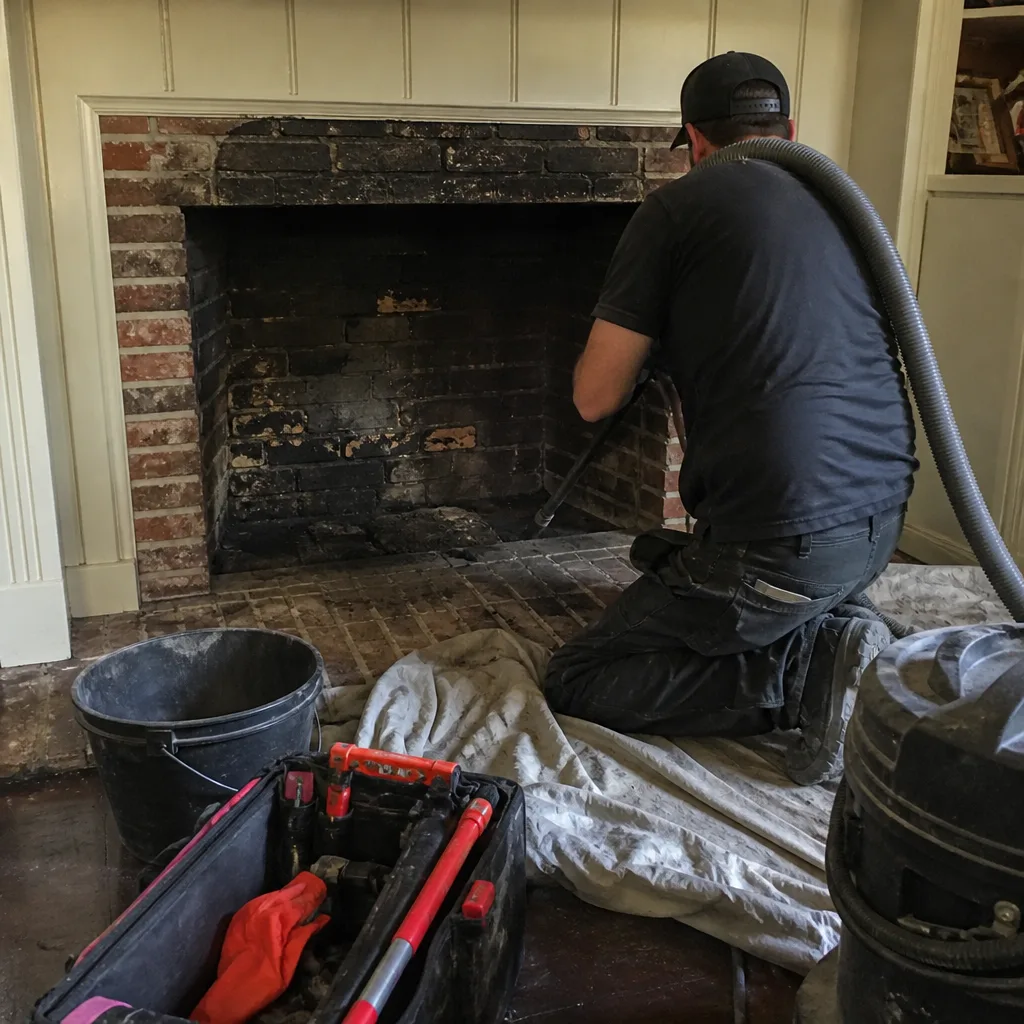 Before
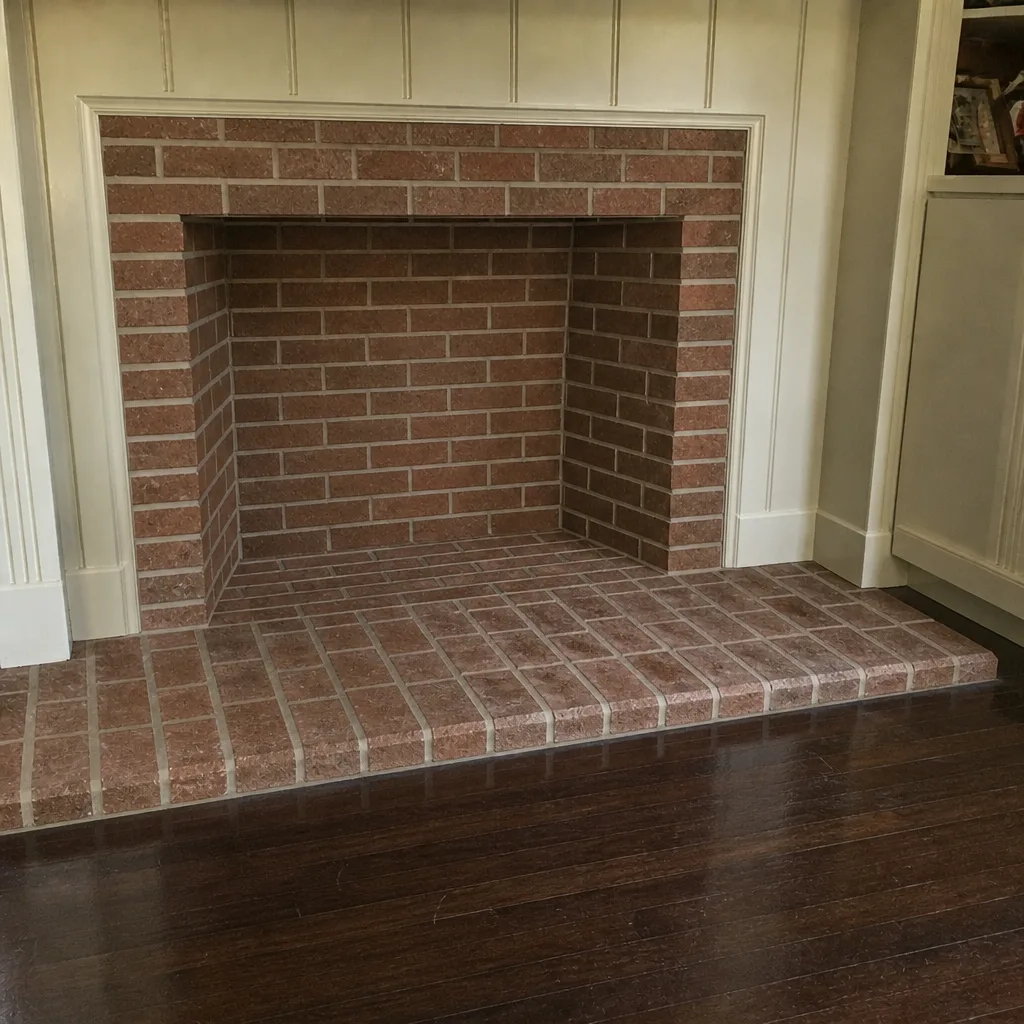 After
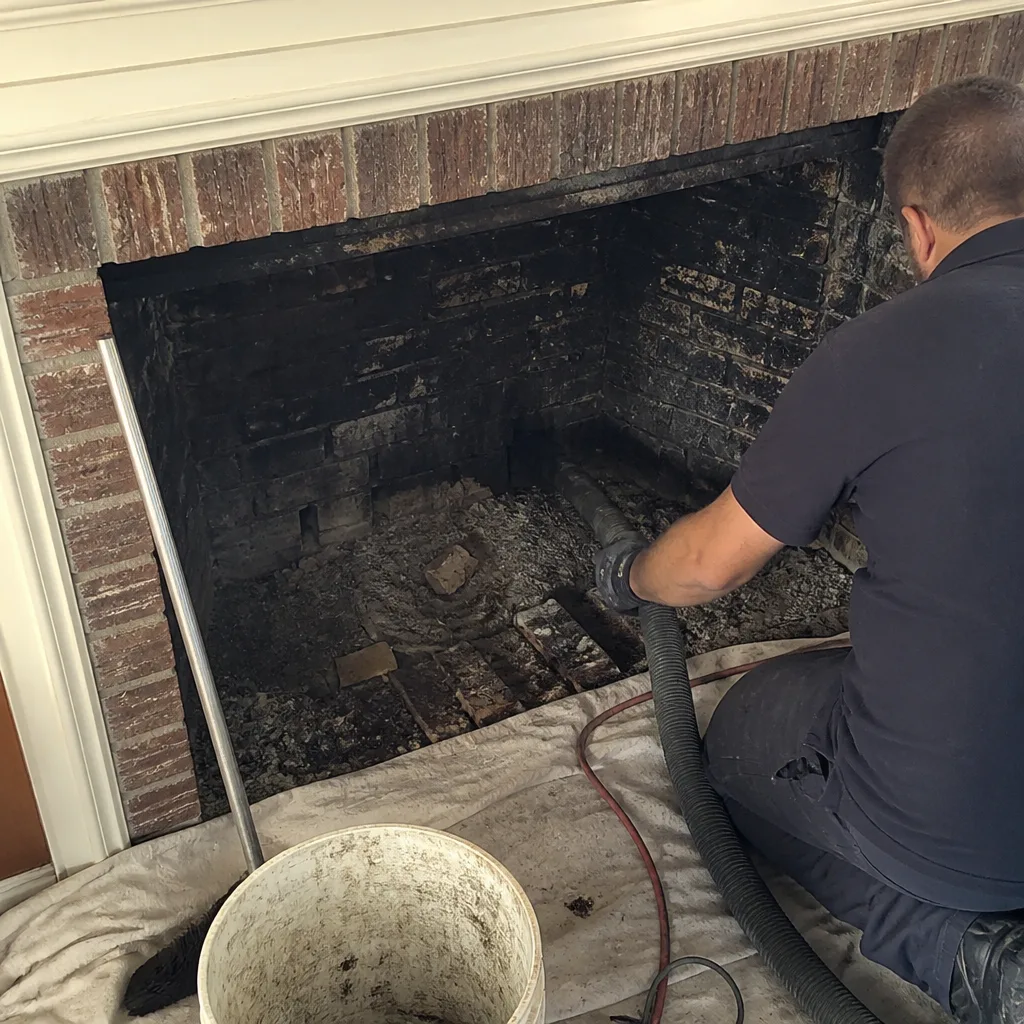 Before
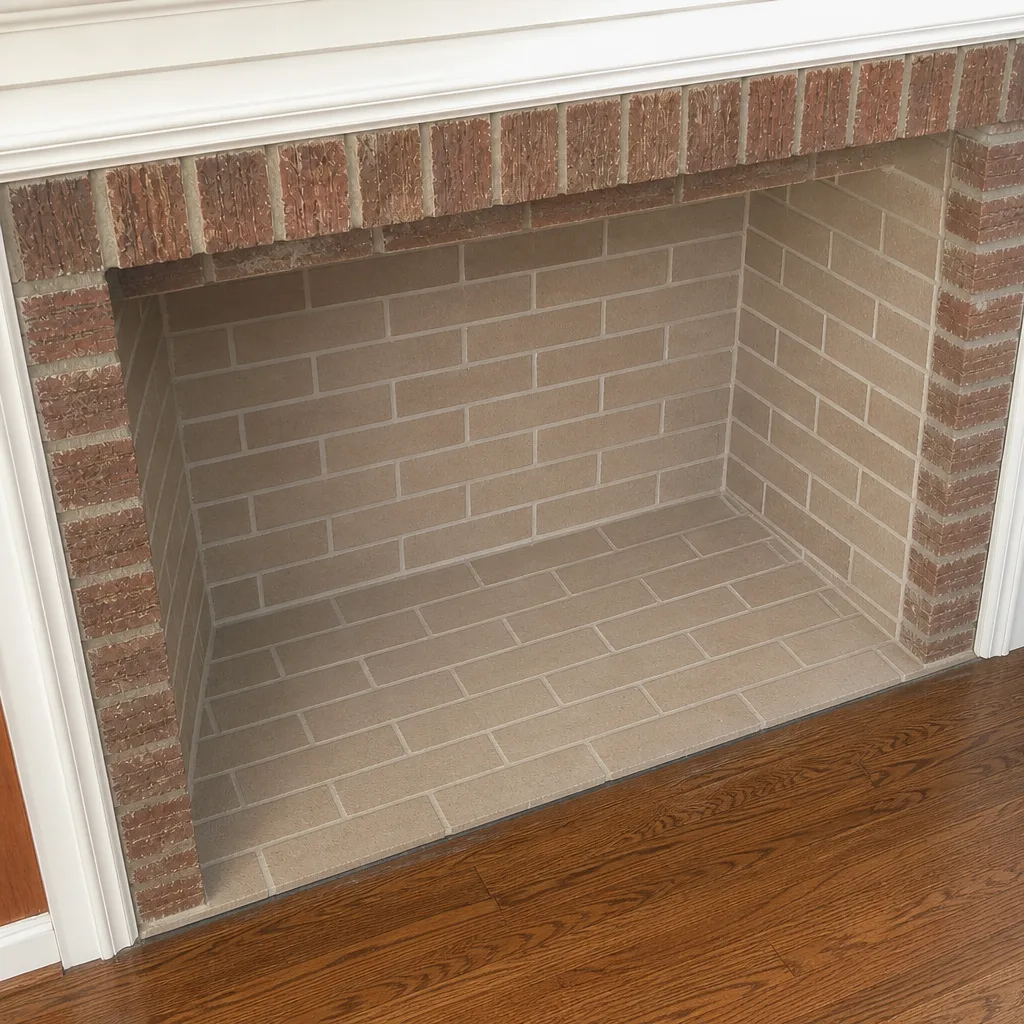 After
When to Call a Professional
Call for a professional inspection or sweep whenever an annual check is due, whenever you’ve observed an item you can’t interpret safely, or whenever you can’t produce a dated service record and need to reestablish a baseline. Call immediately if you smell smoke in the living space while burning, if the damper won’t seat or move, if you see visible cracking at the crown or staining on the exterior masonry, if the chimney cap is missing or loose, or if your liner has any deterioration on camera. Those are the items that can’t safely wait. The rest can usually be scheduled on a seasonal basis. If you’ve recently switched fuel types and aren’t sure what your liner is rated for, an inspection is a genuinely reasonable call.
Chimney Sweep Cary offers free estimates in Cary – call (833) 519-6077. We answer 24/7. Fast dispatch from 7am to 7pm, Sunday through Friday. Estimates are free, the price is set per job by the written estimate, and nothing gets recommended without camera evidence you can see for yourself.
Frequently Asked Questions
A routine chimney sweep is quoted per job by written estimate, and the estimate is free. The final price depends on the flue’s condition, how much creosote has built up, and whether the visit includes inspection items like a camera look and photo report. Call (833) 519-6077 and we’ll set up a free estimate – you’ll have a written price before any work is booked.
Only when the camera shows a problem that justifies it – cracked tiles, gaps in a pre-fab liner, or a flue that’s mismatched to a new fuel type. A failed liner doesn’t vent safely, and that’s a real safety issue, not an upsell. What we can tell you plainly is that no liner recommendation should come to you without a photo of what we saw. If the liner is sound, we say so and the checklist item moves on. If you have a written recommendation and no photos, get a second look. Call (833) 519-6077 for a free estimate if you want the flue photographed before any decision.
Once a year is the baseline for a wood-burning fireplace, and heavier users usually need that annual sweep without exception. Light users who burn a handful of fires a season may be able to go longer between sweeps, but the flue should still be inspected annually. The only way to know what your chimney actually needs is a look at the flue interior. Call (833) 519-6077 to book a free estimate before the season starts.
Creosote builds up on the flue walls, and at a certain stage it can ignite, which is what a chimney fire is. The fire itself is dangerous enough; the second risk is the insurance question that follows it. A homeowner with no dated service record is often the one who has trouble proving the chimney was maintained. Beyond fire risk, skipping the annual inspection also means small structural problems like a cracked crown or failed flashing go unaddressed and worsen each winter. Both reasons are enough. Call (833) 519-6077 for a free estimate and get the record started.
Yes – North Carolina’s residential property disclosure asks sellers to disclose known defects in the chimney and fireplace. A dated service log lets you answer that question with evidence instead of a guess, and it’s often read by a buyer’s inspector during a pre-purchase chimney inspection. A log with a documented sweep and inspection history reads differently than a log with a four-year gap. If you’re buying or selling in Cary and need a formal inspection, call (833) 519-6077 for a free estimate.
Log it, note the width and whether it’s growing year over year, and have it inspected before the next heating season. Small surface cracks in the crown can often be addressed with a crown coating; wider or separated cracks may signal a bigger structural issue. Either way, it’s an inspection item, not a homeowner repair. Don’t climb the roof – especially not in wet or icy conditions. Call (833) 519-6077 for a free estimate and we’ll take a look safely.
The Bottom Line
A chimney maintenance checklist for a Cary home works on three layers: the flue, the components around it, and the written record. The flue gets an annual sweep and inspection. The crown, cap, flashing, damper, and mortar each get their own annual check on their own timeline. And all of it gets documented in a dated service log that stands up when an insurer or a buyer asks for it. Skip the paperwork layer and the other two don’t protect you the way they should. Book the visit before the first fire of the season, keep the record, and know that a chimney specialist – not a generalist – is looking at the whole chimney, not just the flue.
If you’re ready to build the record for your Cary chimney, we’re here. Our technicians have up to 9 years of experience, we work with industry-grade products from DuraFlex, HeatShield, Gelco, and Copperfield, and our entire business is chimney work: sweep, repair, and inspection, start to finish. Call (833) 519-6077 for a free estimate. We answer 24/7. Fast dispatch from 7am to 7pm, Sunday through Friday. If you’d like to see what a full visit covers, start with Cary on our site.
Written by the team at Chimney Sweep Cary.