
Last updated November 16, 2026
 Sweep & inspection
 Caps & crowns
 Flue relining
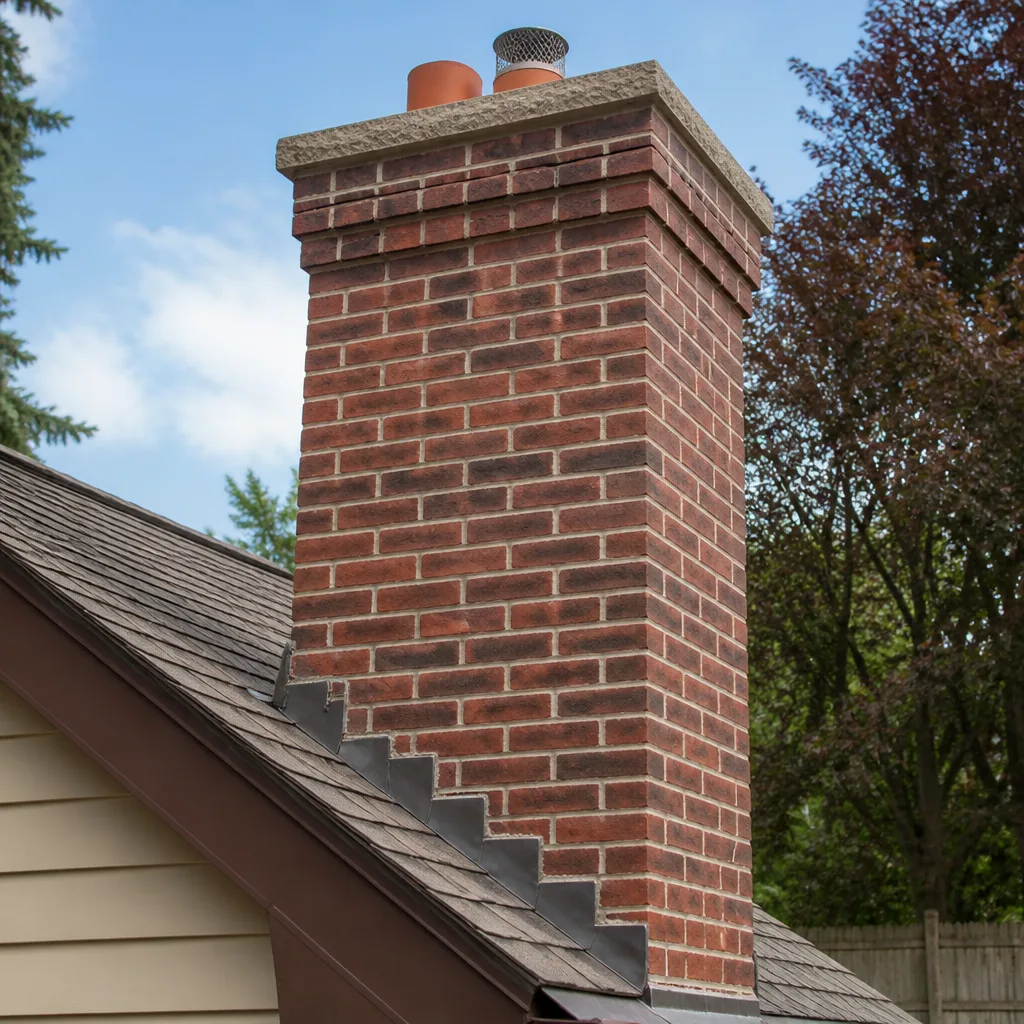 Masonry repair
 Gas fireplace service
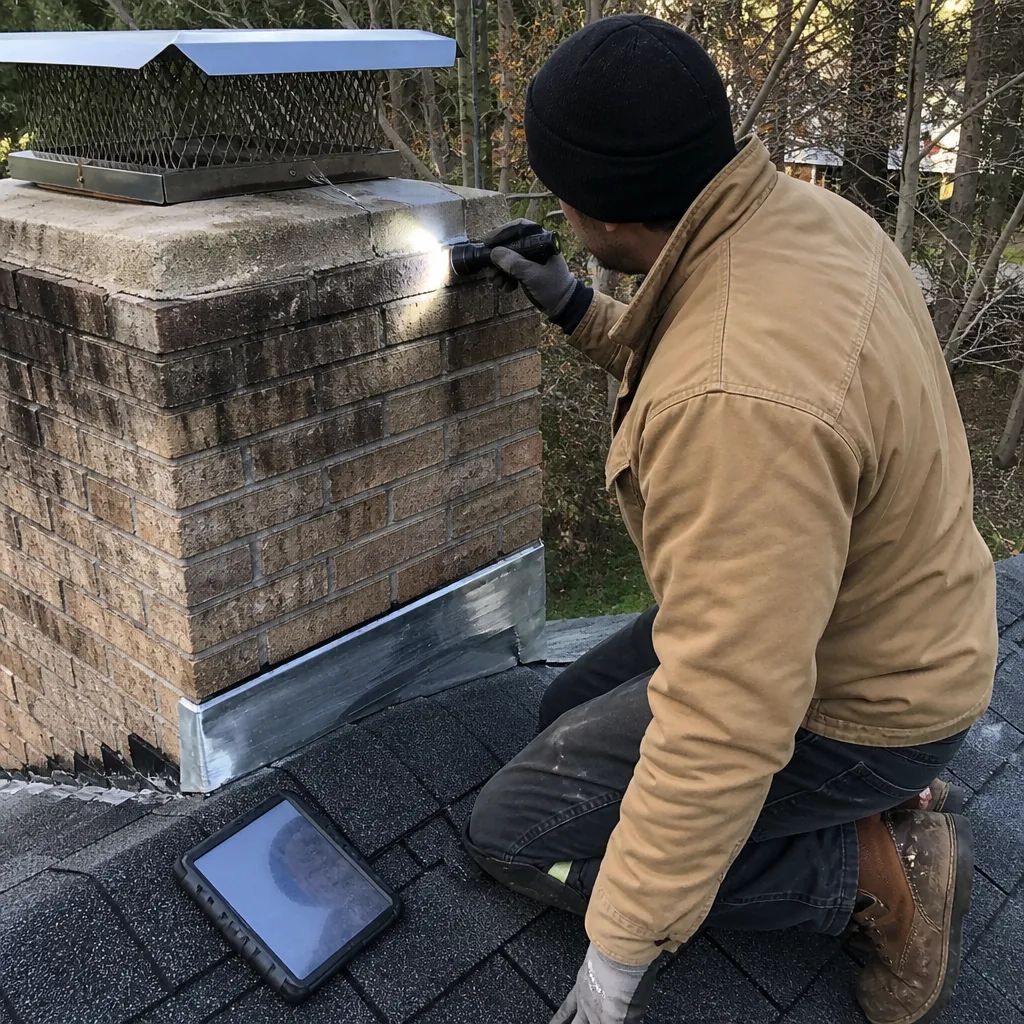
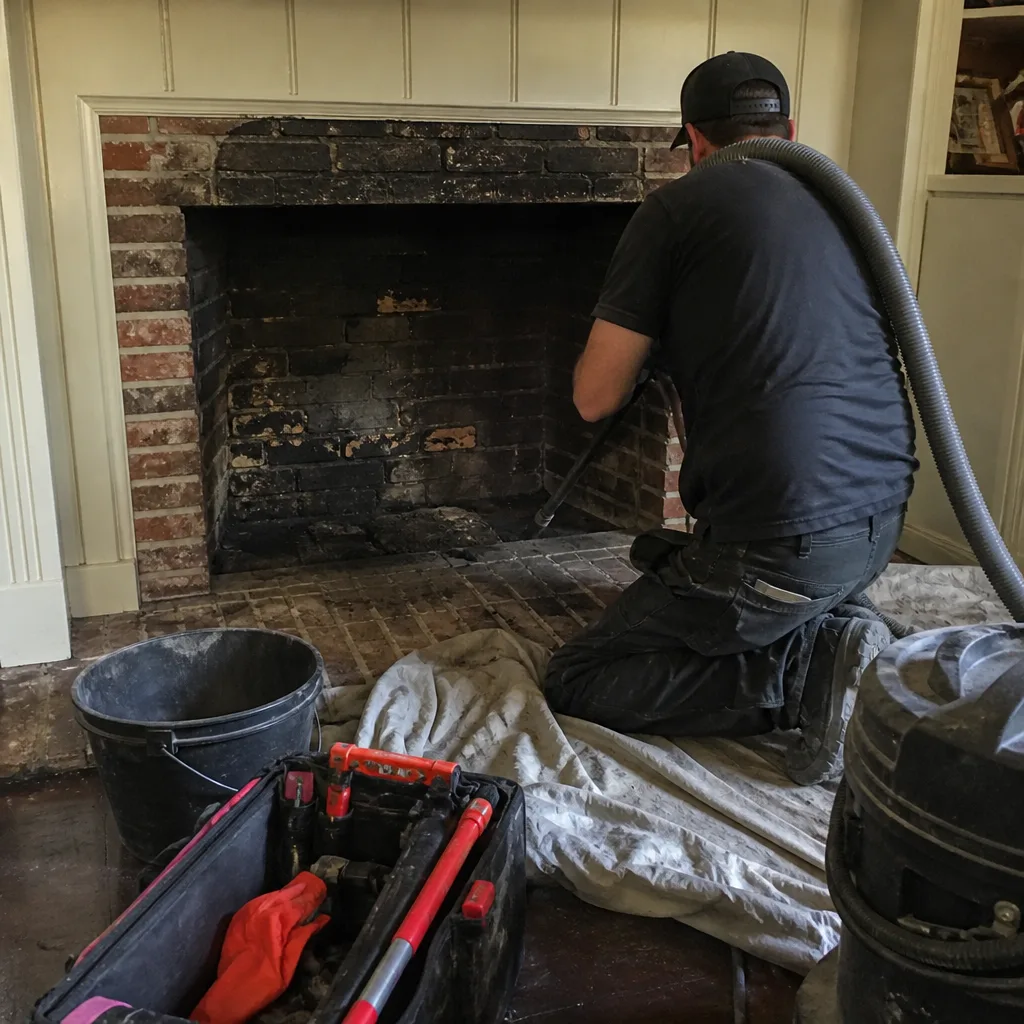
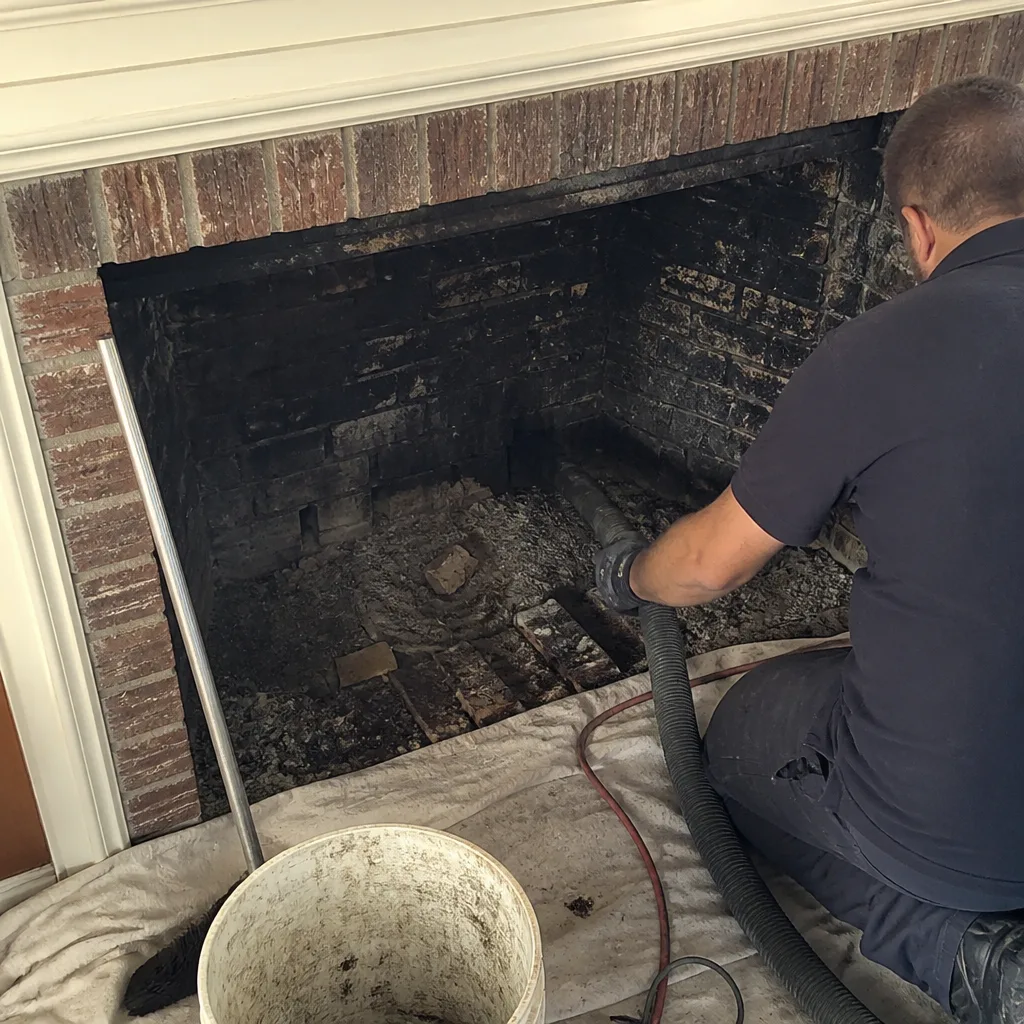
Level 1 sweep and inspection to the NFPA 211 annual standard - flue, crown, cap, and flashing checked and photographed
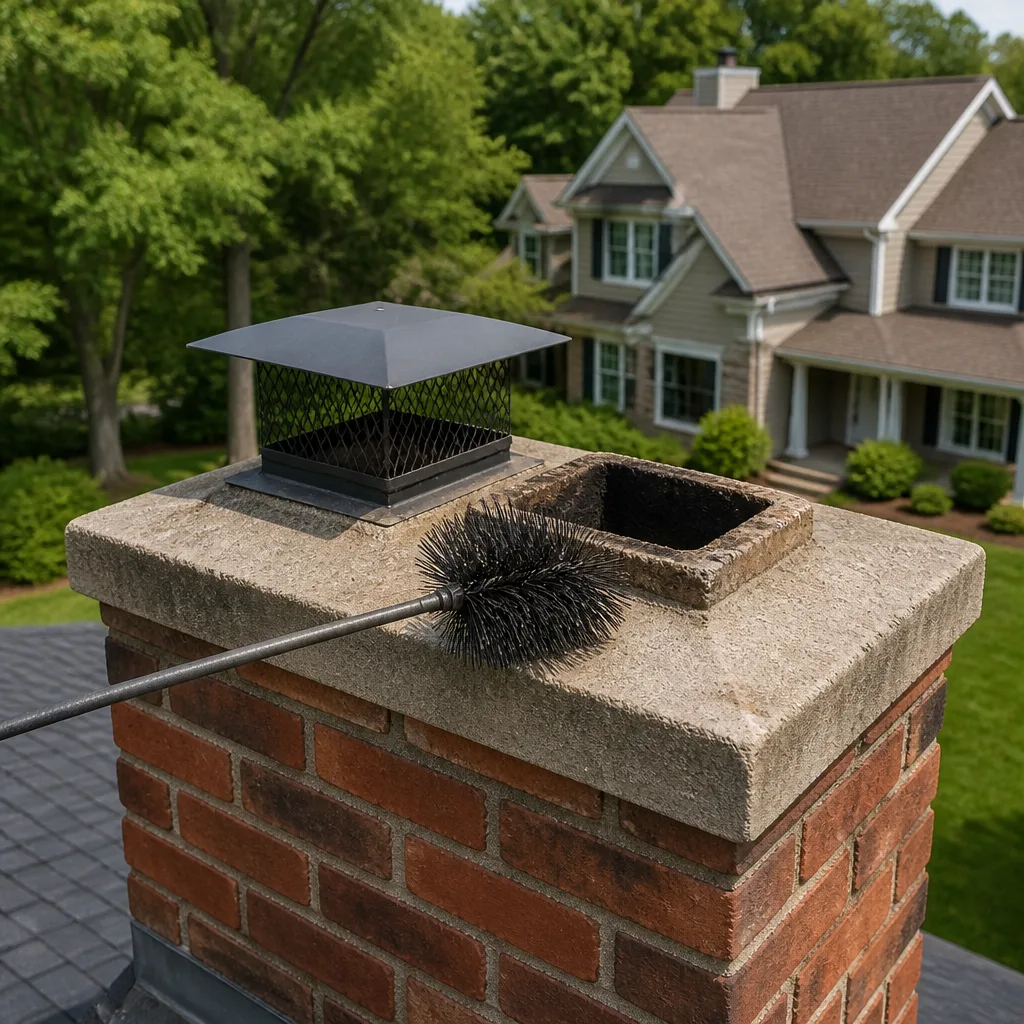
Chimney sweep logs do not sweep chimneys. They loosen some creosote - which then falls where a brush and vacuum still have to collect it.
Chimney Cleaning Emergency Preparedness Guide for Cary Homes
A chimney fire almost never starts on a random Tuesday in the middle of a cold snap. It follows a pattern. First fire of the season in a flue that sat untouched since spring. Hardwood that went in wet last winter and never fully cured. A sweep that got pushed to “next year” three years running. We see the same short list of precursors behind nearly every chimney emergency, and that’s good news, because a predictable pattern is a preparable one. This guide covers how to recognize a flue fire while it’s happening, what to do in the first three minutes, how carbon monoxide moves through a Cary chimney system, what storm damage looks like on a cap versus a crown, and which paperwork to have ready before anything goes wrong.
Quick Answer
Chimney emergency preparedness in Cary means knowing the precursors (creosote buildup, a blocked or cracked flue, a missing cap, deferred sweeping), recognizing a flue fire by its roar and the black smoke and popping sounds it throws, having a working carbon monoxide alarm near the chimney rather than only in the hallway, and keeping your sweep records, liner documentation and cap install date together so an insurer or a fire marshal has what they need. Preparation is mostly maintenance done on time, plus a rehearsed response for the first three minutes of an actual event.
Key Takeaways
- Most chimney emergencies trace back to unrecognized creosote buildup, a blocked flue, or a cracked liner, not random bad luck.
- A chimney fire has distinct sounds and visuals that separate it from normal combustion noise.
- Carbon monoxide belongs to the chimney system, not just the hallway, so detection has to follow the flue.
- Storm damage in Cary looks different depending on whether it was a wind event or an ice event, and each pattern tells you which part of the chimney to inspect.
- Documentation you already have in a folder affects how fast an insurer responds and how fast you can safely use the fireplace again.
Styles & brands we work with
- Sweep & inspection
- Caps & crowns
- Flue relining
- Masonry repair
- Gas fireplace service
Table of Contents
- What Actually Causes Chimney Emergencies in Cary?
- How Do You Recognize a Chimney Fire While It’s Happening?
- What to Do in the First Three Minutes of a Chimney Fire
- Carbon Monoxide Risk Specific to Cary Chimney Systems
- Post-Storm Chimney Checks for Cary Weather
- What Documentation to Have Ready Before an Emergency
- Building a Year-Round Preparation Calendar
- After the Emergency: What Recovery Actually Involves
What Actually Causes Chimney Emergencies in Cary?
Chimney emergencies in Cary trace to a short list of conditions, and nearly all of them are detectable months before anything catches. The purpose of preparation is to find those conditions while they’re still just observations in a report rather than an event unfolding in your living room. Here’s what we see most.
Conditions that precede a chimney emergency
- Third-degree creosote. Creosote passes through stages as it accumulates. The glazed, hardened stage is the one that ignites. It builds from repeated burns of green or unseasoned wood and from flues that go a season or two without a sweep.
- A blocked or partially blocked flue. Birds, squirrels, leaves, a collapsed liner section, or a cap that came loose. A partial block restricts draft, pushes smoke into the room, and raises carbon monoxide risk.
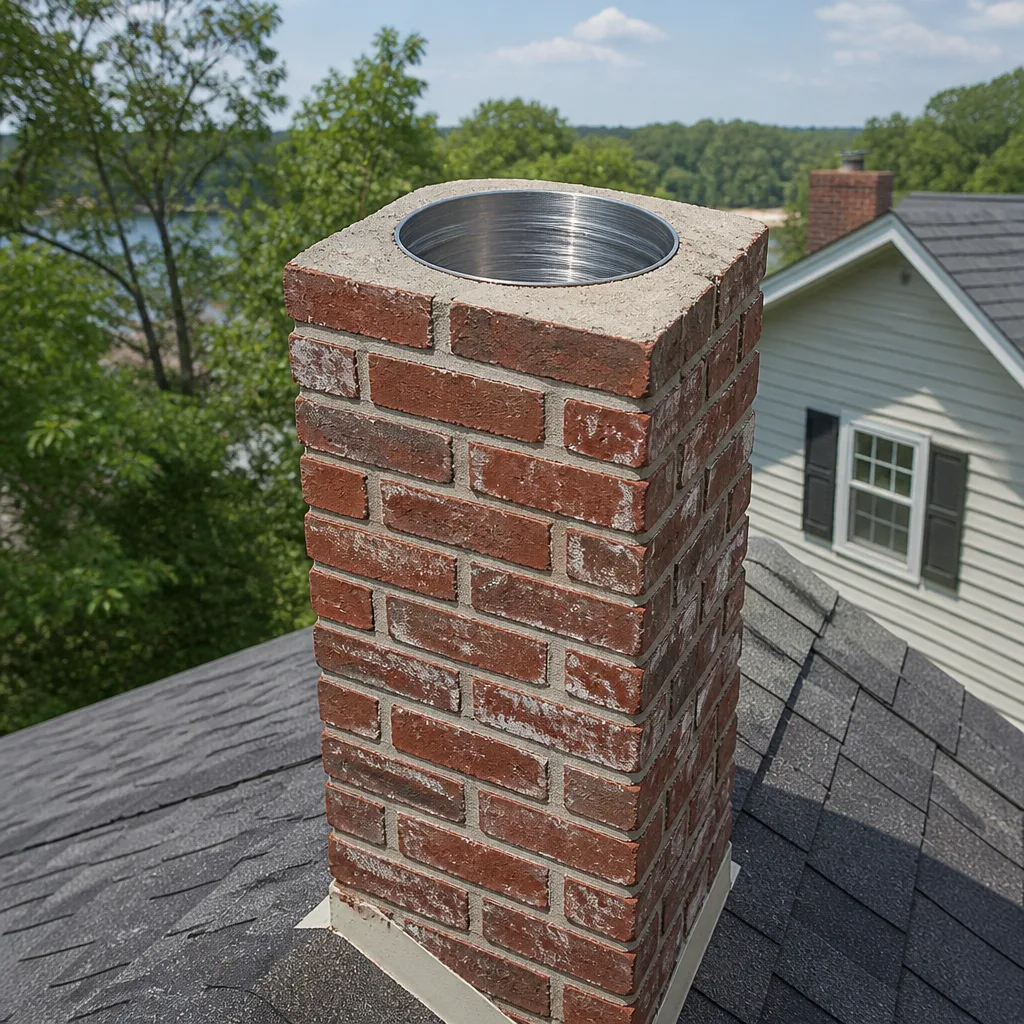
- A cracked or deteriorated liner. A clay tile liner that has cracked from a previous chimney fire, from settling, or from moisture cycling lets heat and gases into the surrounding structure. It’s a precursor to both fire spread and CO intrusion.
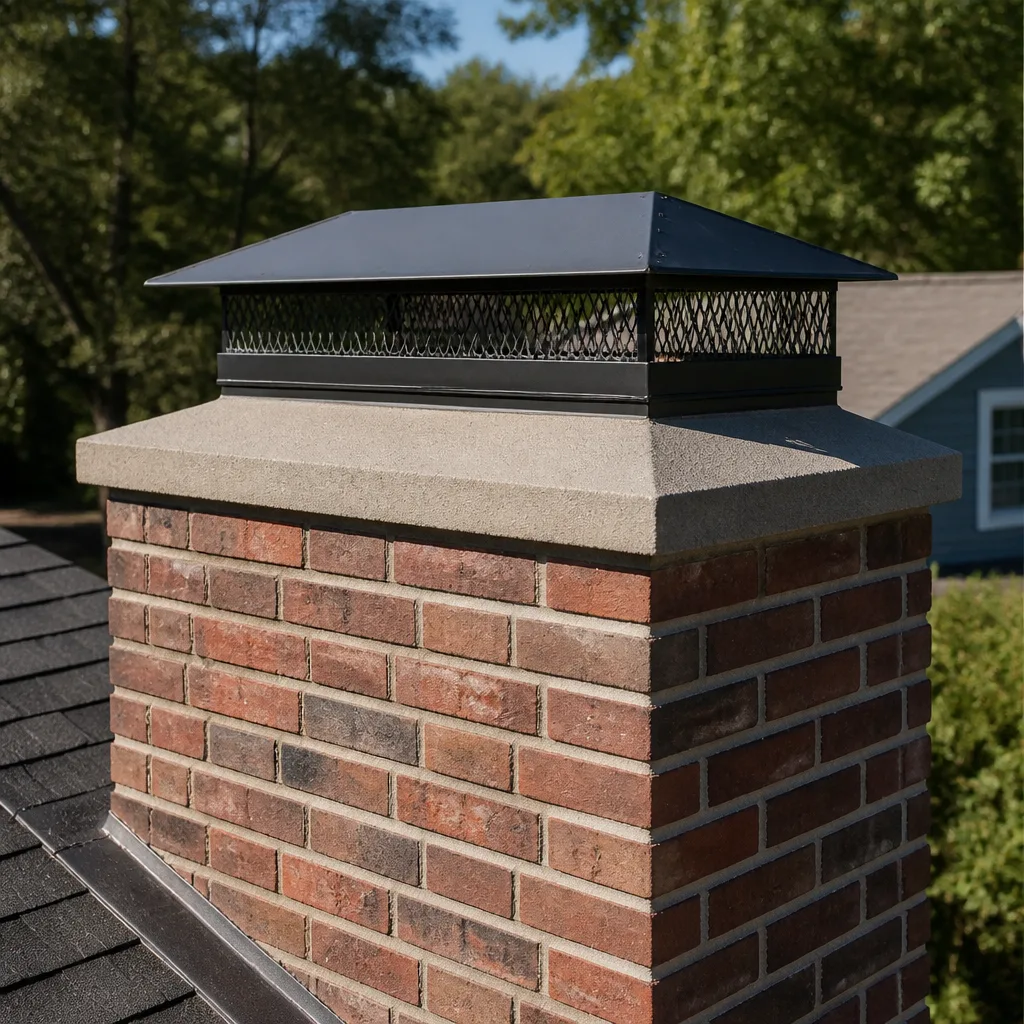
- A missing or damaged cap. Rain down the flue, animals in the flue, and sparks onto the roof are all cap problems.
- Negative pressure in the house. A tightly sealed home with a bath fan or dryer running can pull combustion gases back down the chimney instead of up and out.
In our experience, the single most common precursor in a home that burns regularly is a flue that’s seen more than one season without chimney sweep work, combined with wood that was stacked and burned too soon after it was cut. Both are correctable, and both show up clearly during an inspection before the first cold snap. If you’re not sure where your flue stands after a heavy burn year, that inspection is the place to start.
Cary’s mild winters can work against homeowners here. Because the heating season is shorter than in mountain towns, it’s easy to reason that the fireplace saw less use and can skip a year. Wood volume matters more than calendar length. A household that burns a cord of wood across three months has put the same creosote into the flue as a colder climate would over a longer season.
How Do You Recognize a Chimney Fire While It’s Happening?
A chimney fire has a set of identifiable sights and sounds that distinguish it from normal combustion noise. A working fireplace has a soft, rhythmic crackle and a steady, contained flame. A chimney fire is loud, rhythmic and mechanical, and it announces itself from the flue, not the firebox.
Sounds that point to a flue fire
- A low, rumbling roar, sometimes compared to a freight train or a distant jet. It doesn’t sound like a normal fire.
- Loud popping or tapping, which is the sound of creosote deposits cracking and burning inside the flue.
- A whooshing or sucking sound from the chimney, which is the draft being pulled hard by the fire above.
Visual indicators of a flue fire
- Dense, dark smoke or a visible flame exiting the top of the chimney. A normal fire gives off light, hazy smoke.
- Sparks or embers flying from the chimney top.
- Discolored or glowing metal on a factory-built chimney’s outer pipe or cap.
- A strong, hot, burning-rubber or creosote smell inside the house, or a sudden wave of heat from the fireplace opening.
- A pinging or warping noise from the flue pipe, which can signal that a metal liner is being stressed.
The critical distinction is location. If the loud roar or popping comes from inside the flue rather than the firebox, and the fire has not visually grown in the box, treat it as a flue fire until proven otherwise. Some chimney fires self-extinguish quickly and are silent, going unnoticed until a later inspection finds the cracked tiles or glazed creosote they left behind. That’s why a post-season inspection is part of preparation, not just a response to a visible event.
We document what we find, and that matters here. When a sweep notes glazed creosote on a flue wall, that observation is the warning that an emergency may be building. It’s the reason we push for chimney repair work when the liner is compromised rather than waiting for a fire to reveal it.
What to Do in the First Three Minutes of a Chimney Fire
Your first three minutes decide whether a chimney fire stays contained in the flue or escalates. The correct sequence is calm, ordered and fast. This is not a “call the sweep first” situation.
- Get everyone out of the house, then call 911. If you see dense smoke from the chimney top, a visible flame above the chimney, sparks, or hear the roar described above, that’s a 911 call. Do not wait to see if it burns itself out.
- Close the firebox doors or the glass front and shut the damper. If it’s safe to approach the fireplace, closing the glass doors and the flue damper starves the fire of the air feeding it and limits how much smoke backs into the room.
- Move anything flammable away from the hearth. Blankets, rugs, kindling baskets and stacked paper all go across the room. This step happens only if you’re already clear of smoke and heat.
- Do not throw water into the firebox. Water on a hot firebox or a metal liner can cause a steam explosion and rapid cracking. Your extinguisher, if you’re trained to use it and the fire is small and contained in the firebox, is for a small fire creeping out of the fireplace opening, not for a flue fire roaring above.
- Stay out until the fire department clears the house. Even a flue fire that seems to fade can leave fire inside a wall cavity or in a chimney chase. Re-entry is a fire department decision, not a homeowner decision.
- Do not burn again until a chimney professional has inspected the flue. This is a hard rule. A flue fire can crack clay tiles and warp a metal liner in ways you cannot see from the firebox.
If the situation is a firebox fire that has not spread, the fire is small, and you have a working extinguisher you know how to use, that’s a different call from a full flue fire. Use judgment, and when in doubt, call 911. When the event is over, call (833) 519-6077 and we’ll get an inspection on the calendar. We answer 24/7, and fast dispatch runs from 7am to 7pm, Sunday through Friday.
Carbon Monoxide Risk Specific to Cary Chimney Systems
Carbon monoxide danger in a home with a chimney rarely comes from the fire itself. It comes from the flue system failing to carry combustion gases out. That means CO detection should follow the chimney, not only the hallway, and it should be paired with an understanding of the three conditions that create backdraft in a Cary home.
The three conditions that create CO backdraft
- A blocked flue. A bird nest, a collapsed liner, or a buildup of creosote and soot narrows the flue until gases have nowhere to go but back into the living space.
- Negative pressure in the house. A tightly sealed home with an exhaust fan running (bath fan, kitchen hood, dryer) can pull combustion gases back down the chimney. Homes built to modern airtightness standards are more prone to this than older, draftier homes.
- A cracked liner. Even with a clear flue, a cracked clay liner or a compromised metal liner allows gases to escape into the surrounding structure and eventually into the house.
Structure detection around the chimney. A CO alarm on the ceiling of the room with the fireplace, and one in the basement or mechanical space if your gas water heater or furnace vents into the same chimney chase, catches problems where they start. Standard hallway placement is better than nothing, but it treats CO as a whole-house issue instead of a chimney issue.
Carbon monoxide is an odorless gas, so a working alarm is the only thing that will tell you it’s there. If the alarm goes off and you can’t reset it, treat it as a real event: get out, call 911, and don’t use the fireplace or any gas appliance tied to that chimney until it’s inspected. Durable liner products like DuraFlex exist because the flue is the first line of defense for both fire spread and gas containment, and a compromised flue is the condition that matters most. Our technicians have up to 9 years of experience with chimney systems, and they’ll tell you plainly whether your liner needs an upgrade or whether it can safely wait.
Post-Storm Chimney Checks for Cary Weather
Storm damage to a chimney shows a different pattern depending on the weather event. Wind and ice leave different signatures, and knowing which one you’re looking for tells you which part of the chimney to inspect first. After any significant storm passes through Cary, a quick visual check from the ground, and a professional inspection when something looks off, is the right sequence.
Wind-event damage: what to look for
- Cap displacement. A wind event typically lifts or shifts the chimney cap, or tears the spark screen away. Look for a cap that has moved off-center, a missing screen, or a cap that’s no longer sitting level on the crown.
- Visible gaps at the cap-to-crown joint. When the cap that keeps water and animals out is loose, that joint is the first place water and animals find.
- Debris on the roof and in the flue. Leaves, branches and shingles in the flue follow a high-wind event more often than any other weather. A sweep after a heavy wind season catches it.
Ice-event damage: what to look for
- Crown cracks. When water in a hairline crown crack freezes, it expands, and the crack widens. After an ice event, a crown that was fine in the fall can be visibly split by spring.
- Spalled brick and mortar. Freeze-thaw cycling opens joints and pushes brick faces off. Look for brick flakes on the ground beside the chimney.
- Flue tile displacement. Ice can move flue tiles slightly out of alignment, which opens a path for gases and water.
Our goal is to be honest about when work can wait and when it can’t. A crown crack that is shallow and stable can often be addressed without urgency. A crown crack that’s letting water into the chase is a problem to fix before the next freeze. Either way, we’re not going to tell you that you need thousands of dollars in masonry work based on a look from the ground. If the camera shows the flue is sound, we say so, and we stand behind a written report you can see for yourself. Once you have the report, the Cary climate is predictable enough that you can plan the fix on your schedule.
What Documentation to Have Ready Before an Emergency
The paperwork you already have in a folder decides how fast an insurer responds and how quickly you can safely use the fireplace again after a chimney fire or CO event. Build the folder before you need it.
What belongs in your chimney documentation folder
- Your most recent sweep records. The sweep date, the type of sweep performed, and any noted creosote level. An insurer and a fire marshal both want this.
- Liner certification or installation record. If a liner was installed or upgraded, keep the documentation. For a DuraFlex or HeatShield installation, that record shows code-compliant work and material grade.
- Cap installation date and product. The date your cap went on matters when an insurer is assessing a storm or animal intrusion claim.
- Inspection report and photo record. If your inspector provided a camera report, keep it. That’s the documented baseline for what your flue looked like before any event.
- Any prior repair records. Crown repair, flashing work and resurfacing history all tell an insurance adjuster or a fire investigator the condition of the chimney before the emergency.
- A short contact sheet. Your sweep, your insurance agent, and a note about where the main gas shutoff is. If the house is evacuated, having it all in one place matters.
The brands we work with are part of the record, not just the materials. Records from HeatShield resurfacing, DuraFlex liner installs, and caps from Olympia Chimney or Copperfield all give a homeowner a paper trail that hardware-store substitutes never produce. Industry-grade materials come with documented provenance, which is exactly what an insurer wants after an event.
Building a Year-Round Preparation Calendar
The most reliable chimney emergency prevention in a Cary home is a calendar, not a fire extinguisher. Sweep timing, inspection timing and seasonal checks all have a natural place in the year, and the earlier you get on the schedule, the less likely an emergency is to find you unprepared.
What to do and when
- Late summer or early fall: book the annual sweep and inspection before the first fire of the season. This catches creosote accumulation, animal debris, and cap damage while it’s still a repair rather than an event.
- Before the first burn: test carbon monoxide alarms, including any near the chimney and in the mechanical space.
- After any significant wind event: a ground-level visual check of the cap and the chimney top. Call for an inspection if something looks off.
- After any significant ice event: a ground-level check of the crown and the brick face. Cracks that weren’t visible in the fall show up after a freeze-thaw cycle.
- Every year or two, depending on burn volume: a camera inspection. Higher burn volume means shorter intervals between inspections.
- Year-round: burn dry, seasoned wood, and don’t stack unseasoned wood next to the fireplace to dry.
For the sweeping end of the calendar, our Chimney Sweep Cary page covers how a sweep goes, what gets documented, and what the report looks like. If the inspection turns up structural issues, we handle those too. One specialist, start to finish, without a referral to a generalist who sees a chimney a few times a year.
After the Emergency: What Recovery Actually Involves
Chimney emergency recovery in Cary follows a clear order: fire department clears the house, a chimney professional inspects the flue with a camera, the flue is either restored or repaired, and only then does the fireplace get used again. Skipping the inspection step is the most common mistake after a fire event, and it’s the one that leads to a repeat event.
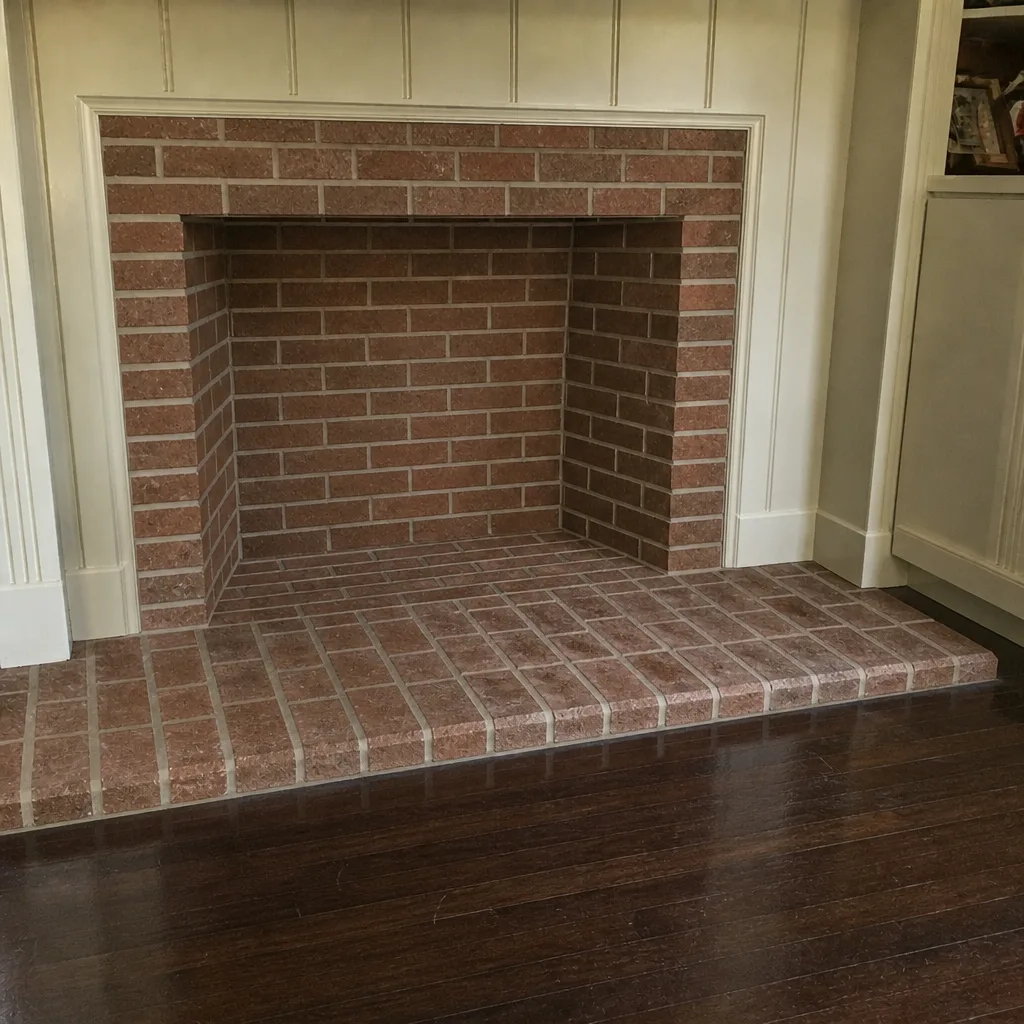
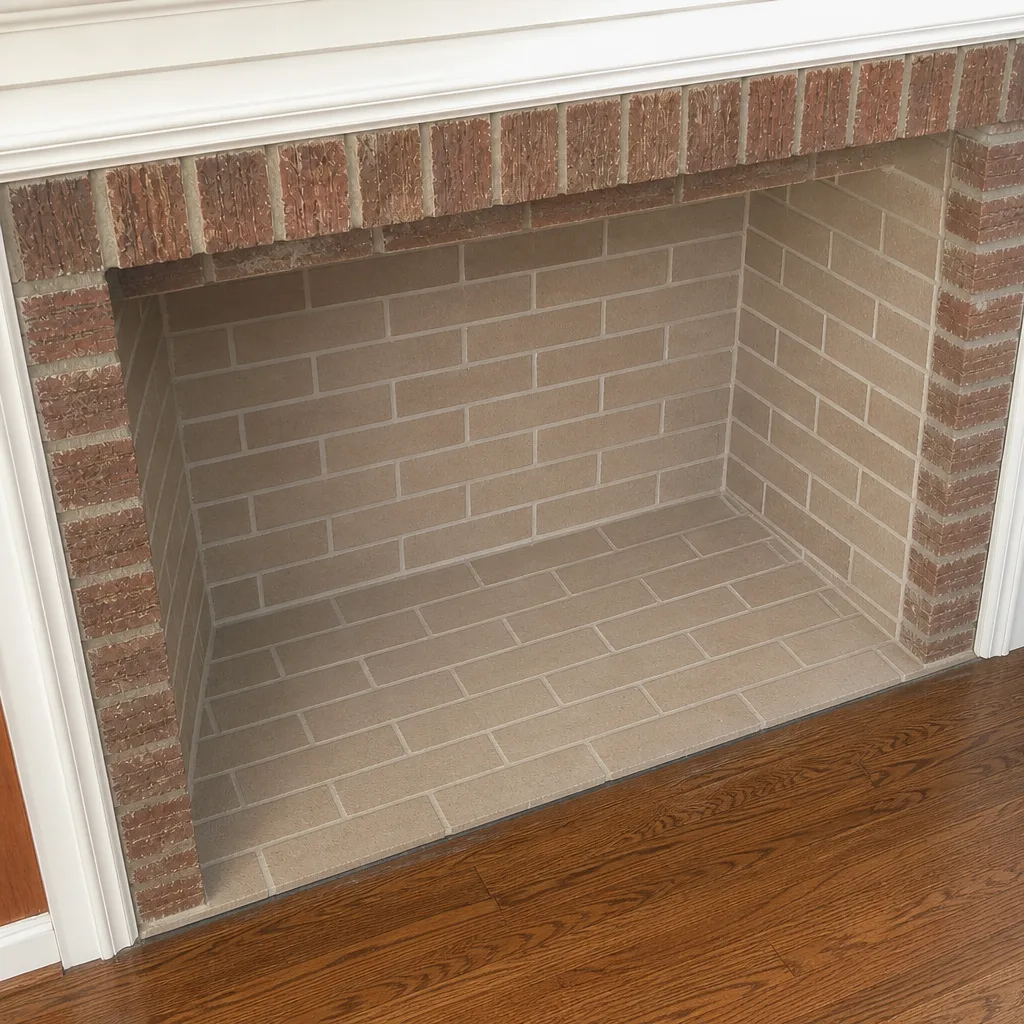
An inspection after a chimney fire is not a formality. It’s how we find the cracked clay tile, the warped metal liner, the separated section that a hot fire left behind. Some of those problems can be repaired with HeatShield resurfacing, which restores a smooth flue surface without demolishing the chimney. Others need a full reline with a flexible liner system like DuraFlex. A damaged cap needs replacement with a product from Gelco or Famco, depending on the fit. The work is determined by the camera, not by the sales conversation.
Recovery is also where an insurance claim is decided. If you kept your sweep records, your liner documentation and your cap install date, your insurer has what it needs to move quickly. If you didn’t, expect more questions before the claim moves forward.
Common Mistakes to Avoid
- Assuming a self-extinguishing fire did no damage. A quiet chimney fire can leave cracked tiles and glazed creosote behind. Treat any suspected fire event as a reason for a camera inspection.
- Burning unseasoned wood “to get through the cold snap.” Green wood deposits more creosote in one season than dry wood does across several. In a Cary winter, that gap adds up fast.
- Putting CO alarms only in hallways. Place one near the fireplace room and one in the mechanical space if any gas appliance shares the chimney. CO is a chimney problem before it’s a hallway problem.
- Skipping the post-storm check. Wind lifts caps, and ice cracks crowns. A five-minute look from the ground after any significant storm catches it before winter does the rest.
- Hiring a generalist handyman for chimney repair. A handyman sees a handful of chimneys a year. Chimney-specific liner systems, resurfacing materials and cap products require familiarity with the flue, and the wrong repair costs more than the right one.
- Not keeping the documentation. Sweep records, liner install records, and cap install dates all affect an insurance response. A folder built before the emergency is worth the time it takes to build it.
- Waiting until an emergency to book an inspection. Inspection is a maintenance step, not a reaction. The pattern of precursors is what you want to find, and it’s what an inspection is for.
See the difference
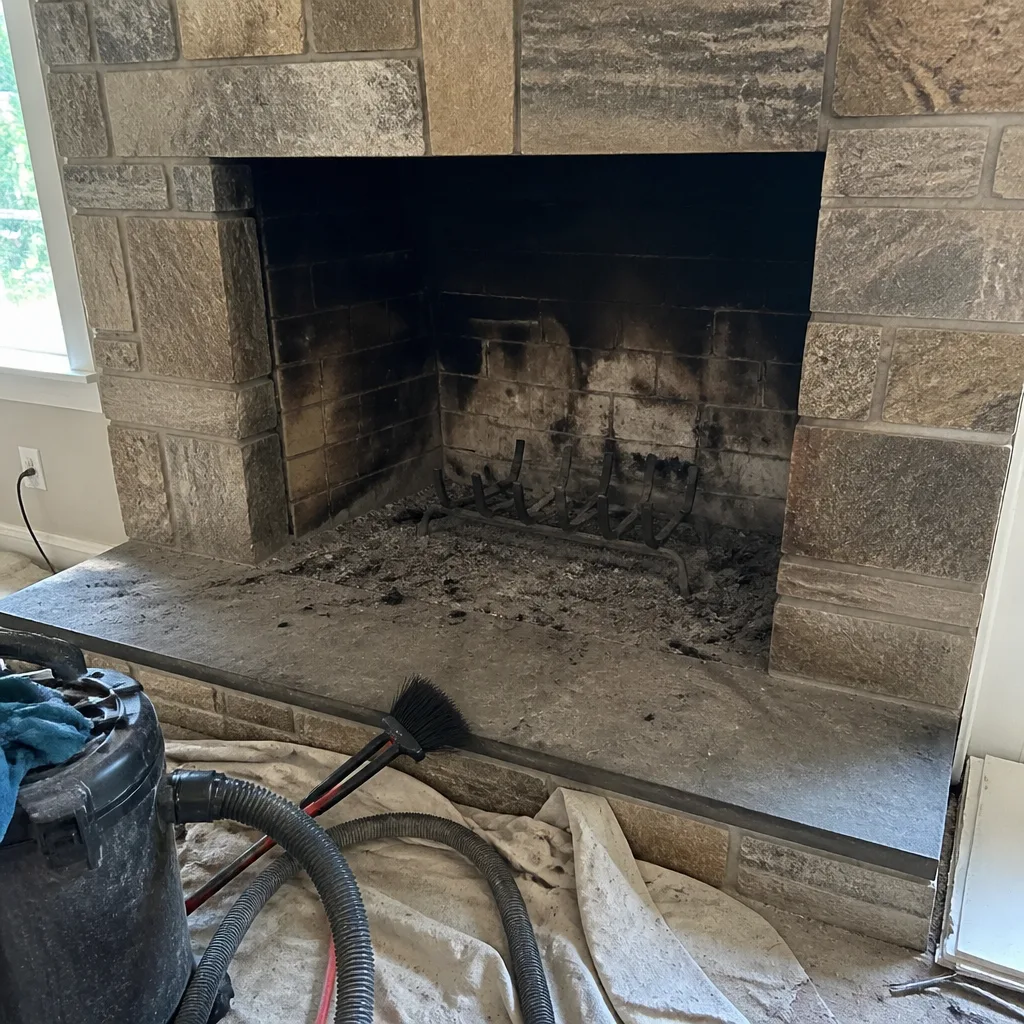 Before
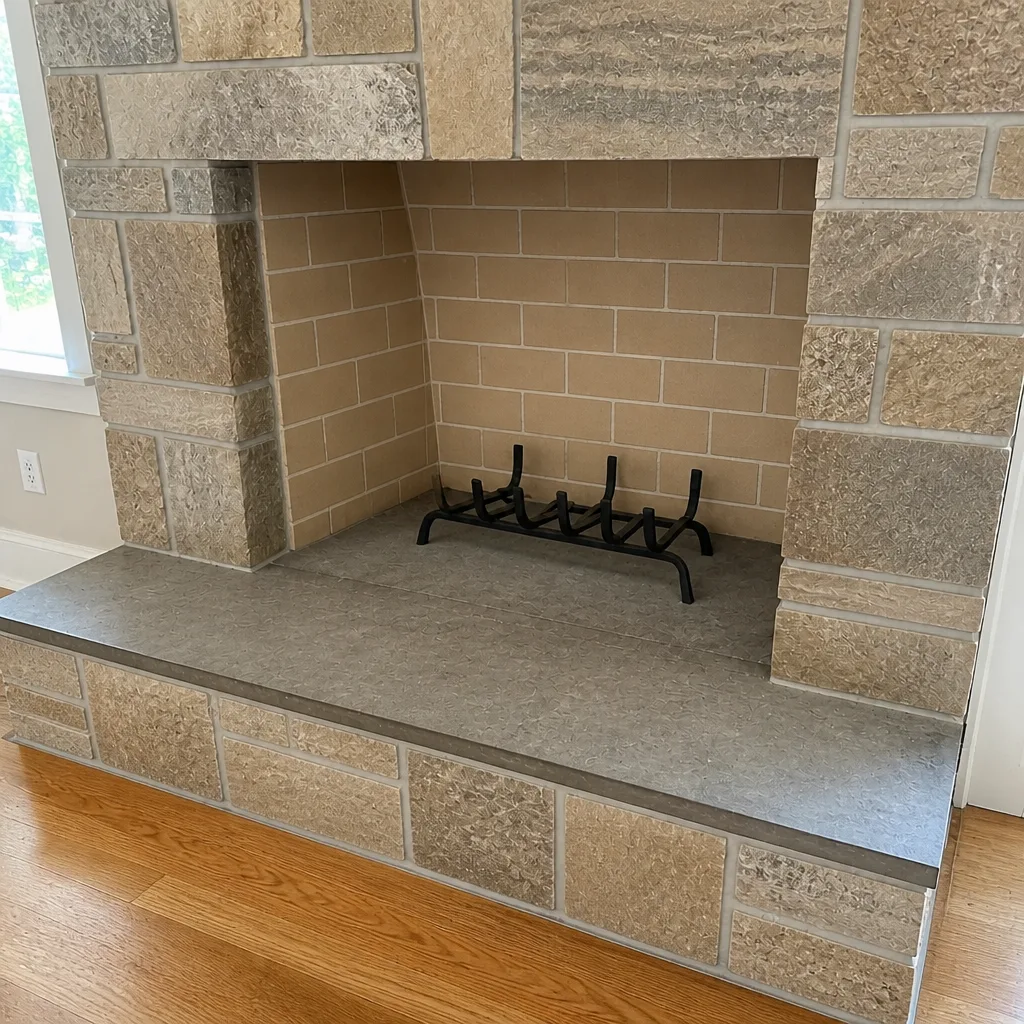 After
 Before
 After
 Before
 After
When to Call a Professional
Call a chimney professional when you hear a loud roar or popping from the flue, see dense smoke or sparks above the chimney, or experience a sudden wave of heat from the fireplace. Call after any suspected chimney fire, even a quiet one, because the flue needs a camera inspection before it’s used again. Call when your carbon monoxide alarm triggers and won’t reset. Call after a strong wind or ice event that left the cap looking off-center or the crown cracked. Call before the first fire of the season if the flue hasn’t been swept in more than a year. Call if your home is a pre-sale or pre-purchase situation and you need a documented inspection. Chimney Sweep Cary offers free estimates in Cary. Call (833) 519-6077. We answer 24/7, and fast dispatch runs from 7am to 7pm, Sunday through Friday.
Frequently Asked Questions
You’ve likely had a chimney fire if you heard a loud roar or rhythmic popping from the flue, saw dense dark smoke, sparks or flame above the chimney, or noticed a sudden wave of heat from the firebox. A quiet chimney fire can also leave cracked tiles or glazed creosote that only a camera inspection will find. Any suspected event calls for an inspection before the fireplace is used again. Call (833) 519-6077 to book one in Cary.
You need one near the chimney room and one in the mechanical space if any gas appliance shares that chimney chase. CO from a blocked flue, a cracked liner or negative pressure reaches the living space at the chimney, not the hallway, so detection should follow the flue. Hallway alarms alone don’t close that gap. Call (833) 519-6077 for an inspection if you’re unsure about your flue.
Once a year for a home that burns regularly, and more often if burn volume is high or if unseasoned wood has been burned. Cary’s shorter heating season doesn’t reduce the creosote load: a cord of wood in three months puts the same deposits in the flue as a longer northern season. Call (833) 519-6077 to get the sweep on the calendar before the first fire of the season.
Wind events tend to displace the cap or tear the spark screen, and they push branches and shingles into the flue; ice events crack the crown and spall brick and mortar through freeze-thaw cycling. A ground-level check after any significant storm tells you which pattern you’re seeing. Call (833) 519-6077 if anything on the chimney top looks off after a storm.
Your most recent sweep records, any liner install or certification record, the cap installation date and product, the most recent camera inspection report, and any prior repair records. These documents affect both an insurance response and re-occupancy decisions after a fire or CO event. Call (833) 519-6077 if you don’t have a recent inspection report and want a documented baseline.
Not always. A camera inspection determines whether the flue needs a full reline, a HeatShield resurfacing, or nothing at all. We document what we find and show you the photos before recommending work. Nothing is recommended without camera evidence you can see. Call (833) 519-6077 for a free inspection estimate in Cary.
The Bottom Line
Chimney emergencies in Cary follow patterns, and the patterns are visible months before anything catches. Third-degree creosote, a blocked or cracked flue, a displaced cap, and negative pressure in an airtight home are the precursors. Recognizing a flue fire by its roar and popping, getting out and calling 911 inside the first three minutes, structuring carbon monoxide detection around the chimney rather than only the hallway, checking the cap after wind and the crown after ice, and keeping the paperwork that preserves your insurance response are the practical steps. The rest is calendar work: sweep before the first fire of the season, inspect on schedule, and use a chimney specialist for chimney work. That’s how preparation works, and that’s what we do. Call (833) 519-6077 for a free estimate. We answer 24/7, and fast dispatch runs from 7am to 7pm, Sunday through Friday.
Written by the team at Chimney Sweep Cary.