
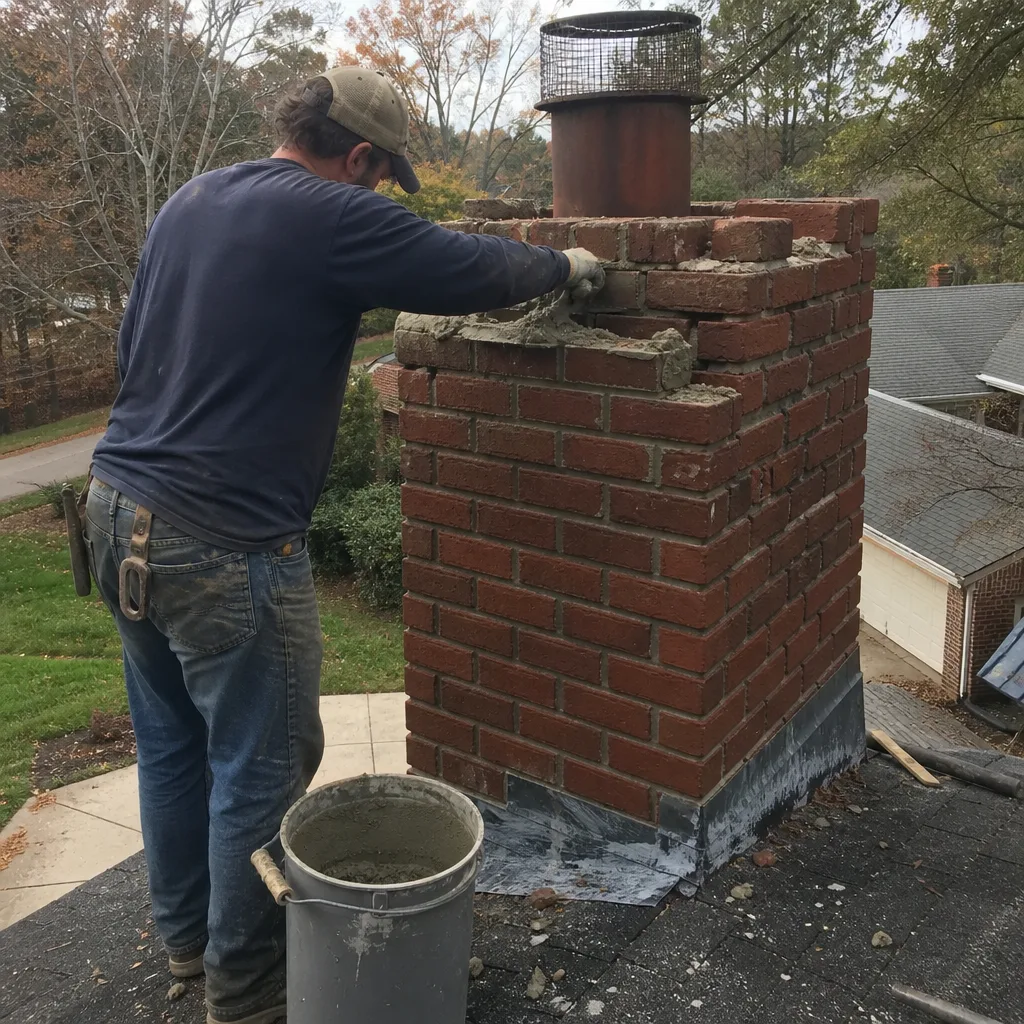
Last updated November 16, 2026
 Sweep & inspection
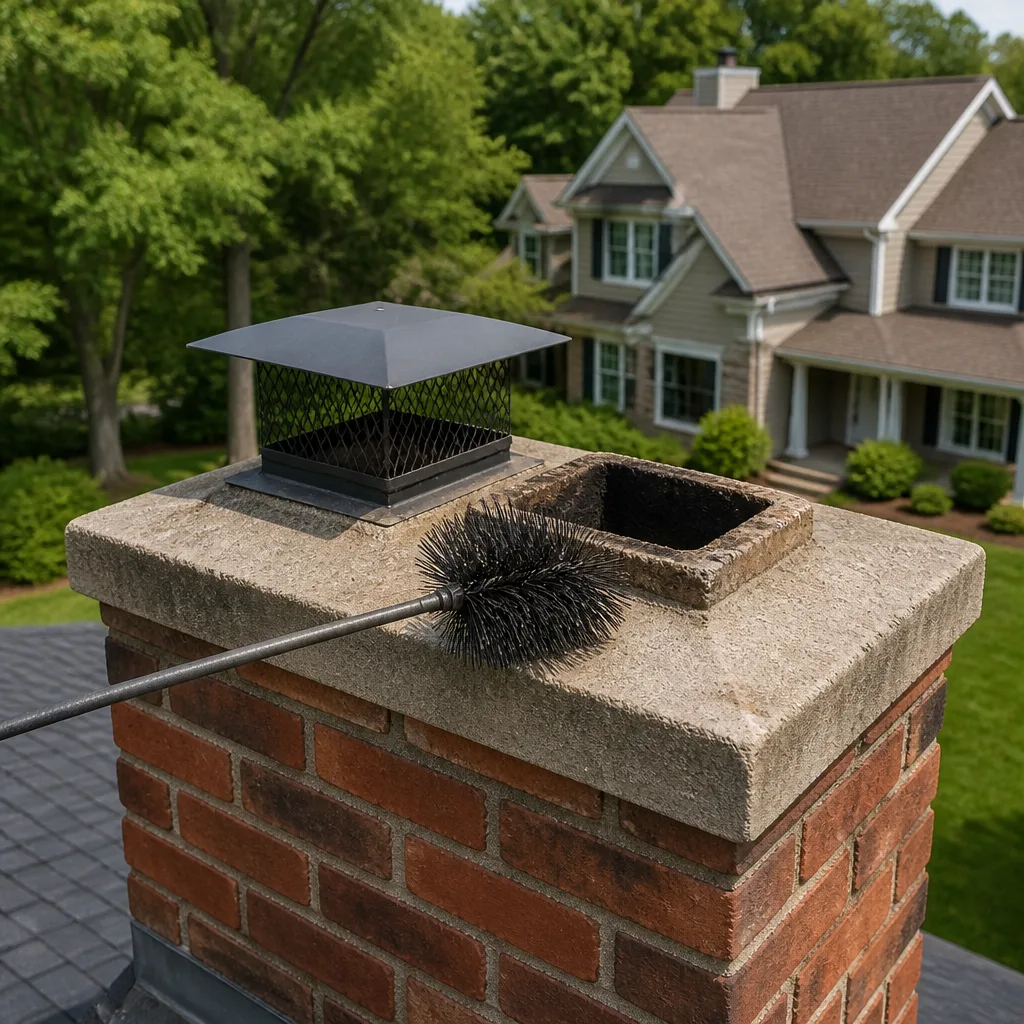
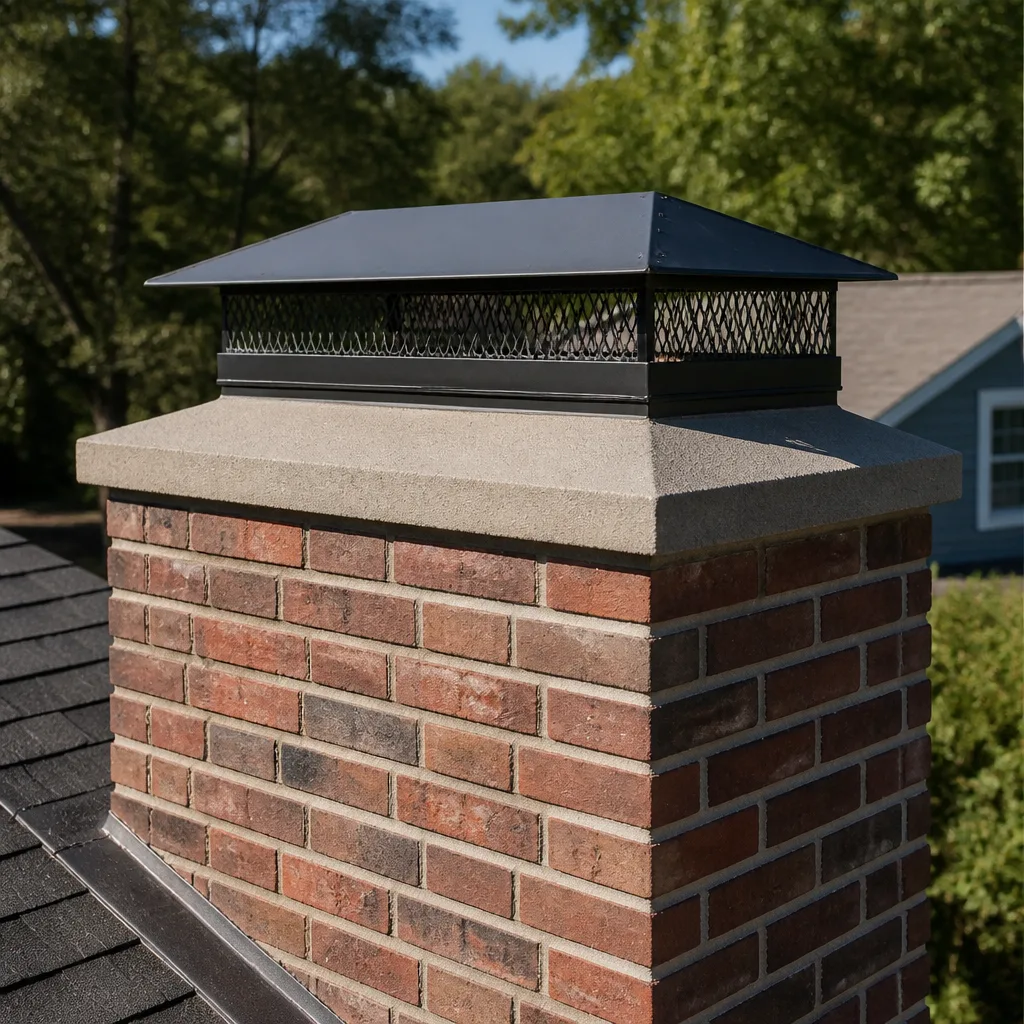 Caps & crowns
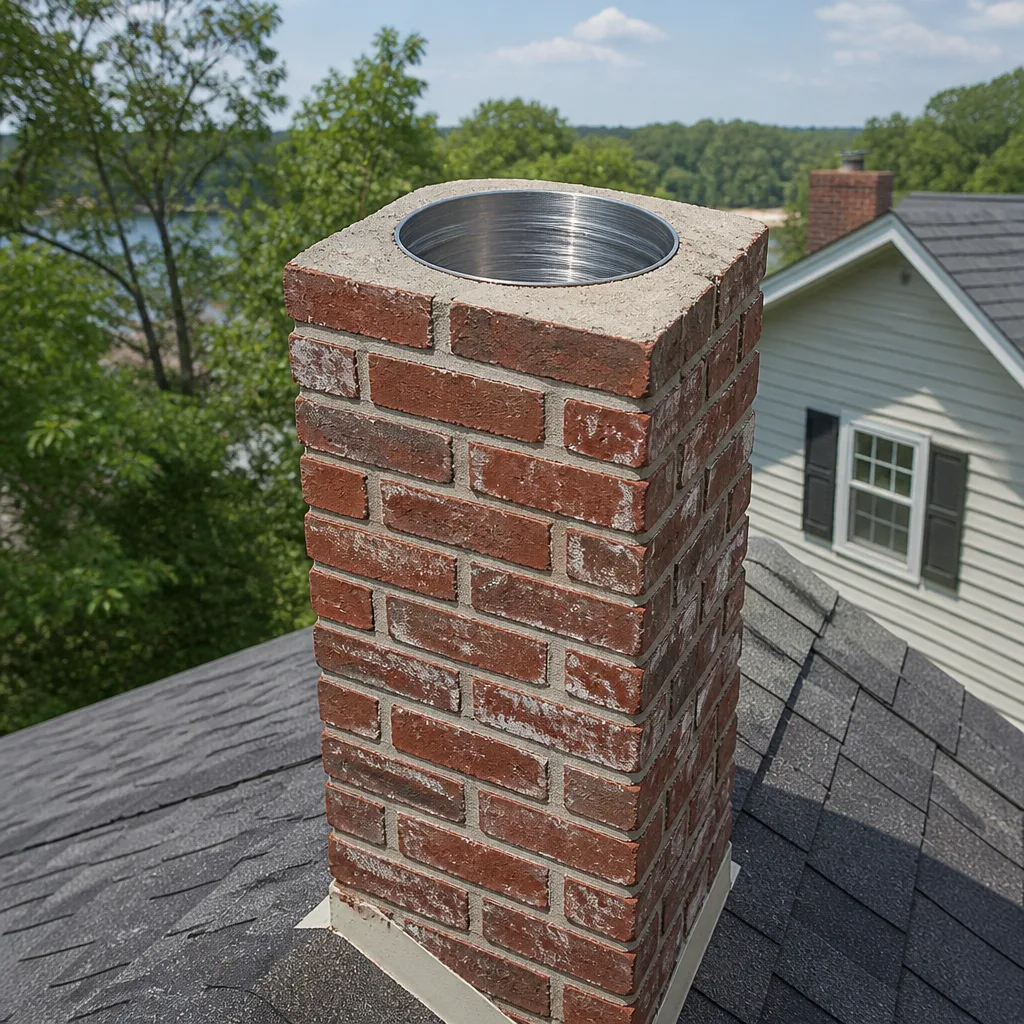 Flue relining
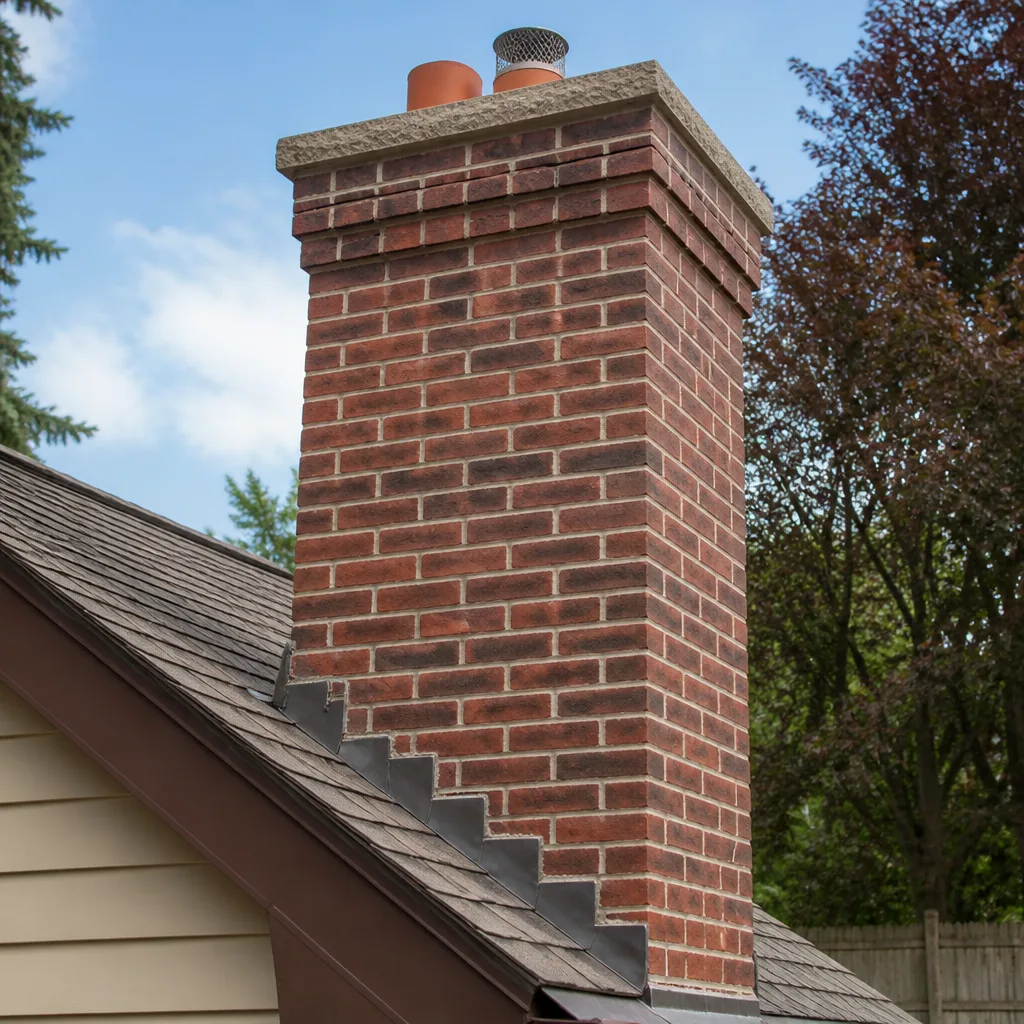 Masonry repair
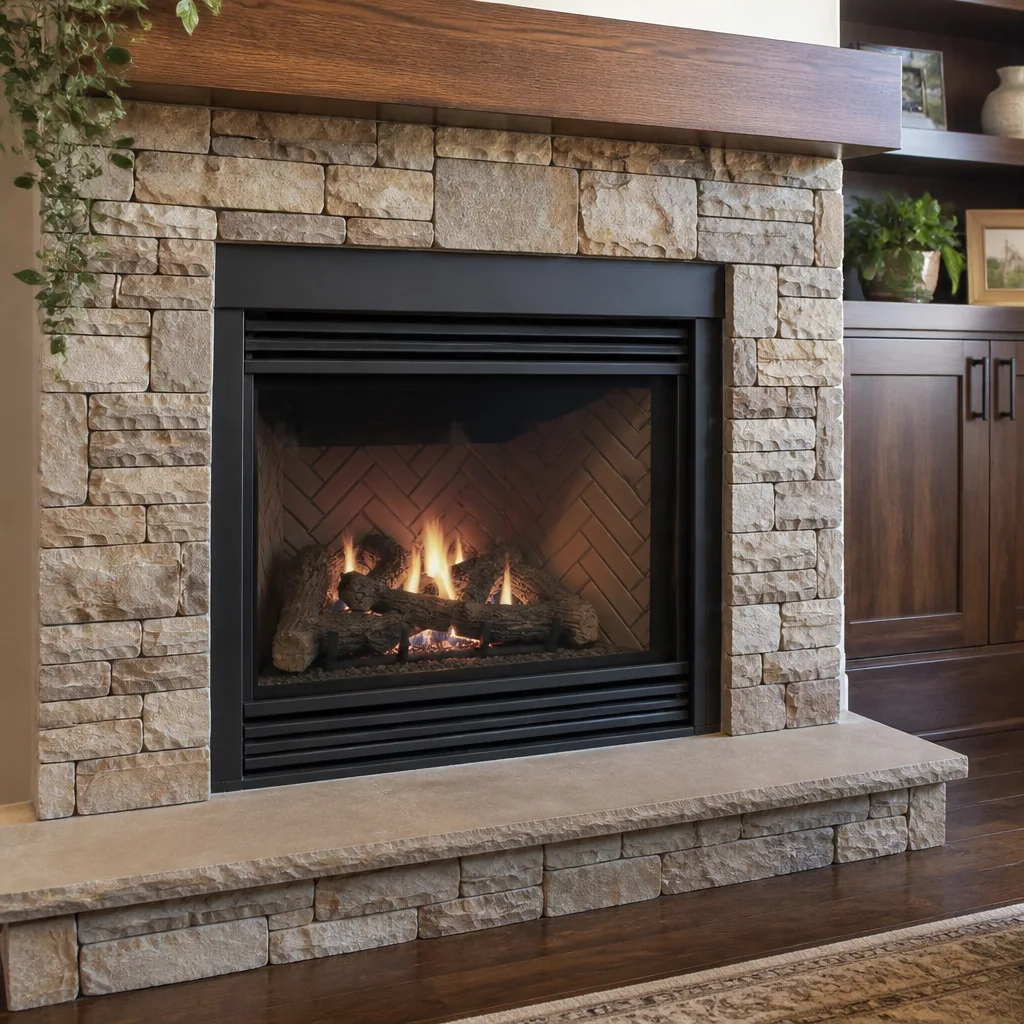 Gas fireplace service
Level 1 sweep and inspection to the NFPA 211 annual standard - flue, crown, cap, and flashing checked and photographed
Chimney sweep logs do not sweep chimneys. They loosen some creosote - which then falls where a brush and vacuum still have to collect it.
Choosing the Right Chimney Cleaning Brand: A Buyer’s Guide for Cary
Your sweep’s brand recognition disappears the moment they leave your driveway. The liner material they install stays inside your chimney for the next two decades, and most homeowners never think to ask what it is. That’s the gap this guide fills. In Cary, where wood-burning fireplaces get real use from November through February, the difference between a professional-grade flue liner and a hardware-store substitute shows up years later, usually at the worst possible time. We’ll walk through what “brand” actually means in chimney work (the company and the materials), how to evaluate sourcing, why brush quality matters on prefab flues, and what kind of written warranty you should demand before anyone touches your chimney. By the end, you’ll know exactly which questions separate a chimney specialist from a generalist who added sweeps to the invoice.
Quick Answer
Choosing the right chimney cleaning company in Cary comes down to two brands: the company doing the work and the materials they put inside your flue. A specialist with chimney-only focus, professional-grade product lines like DuraFlex or HeatShield, and written material and labor warranties is the safer choice over a generalist with a lower bid. Ask what liner system they use, where they source brushes and caps, and whether they document findings with photos before recommending any repair.
Styles & brands we work with
- Sweep & inspection
- Caps & crowns
- Flue relining
- Masonry repair
- Gas fireplace service
Table of Contents
- The Two Brands That Matter in Chimney Work
- Why Material Brand Matters More Than You Think
- DuraFlex vs. HeatShield vs. Generic Alternatives
- How to Evaluate a Company’s Material Sourcing
- Why Brush Quality Matters on Prefab Flues
- Specialist vs. Generalist: How to Tell the Difference
- Material Warranty vs. Labor Warranty
- Questions to Ask Before You Book
The Two Brands That Matter in Chimney Work
When a Cary homeowner searches for a chimney cleaning company, they’re usually evaluating one thing: the company name on the truck. That’s half the picture. The other half is invisible once the job is done – the liner, the crown material, the cap, the brush set. Those components have brand names too, and they determine how the chimney performs for the next 15 to 20 years.
We’ve seen this play out repeatedly. A homeowner books a sweep based on a recognizable company name and a fair price. The sweep happens, the report looks clean, and everyone’s happy. Two winters later, a liner installed from generic materials starts to fail, and the original company is hard to reach or says the liner was “within spec.” The homeowner ends up paying twice.
The fix is straightforward: treat the company brand and the material brand as two separate buying decisions.
- Company brand: specialization, licensing, insurance, documentation practices, and whether chimney work is their whole business or a side line.
- Material brand: what specific products go into your flue, crown, and cap, and who stands behind those products if they fail.
In Cary, where the housing stock includes everything from 1990s colonials to newer builds in neighborhoods like Amberly and Carpenter Village, both brands matter equally. A well-run company using generic materials is still a risk. A well-stocked company with a sloppy process is also a risk. You want both.
Why Material Brand Matters More Than You Think
Chimney liners sit inside a masonry or prefab chase and handle continuous exposure to heat, creosote, moisture, and the acidic byproducts of combustion. That’s a punishing environment. The difference between a professional-grade liner and a budget alternative isn’t cosmetic – it’s the difference between a system rated to hold up under those conditions and one that degrades faster than expected.
Here’s what actually varies by brand:
- Temperature rating: Professional liners are tested and rated for continuous high-heat flue conditions. Generic liners may fail under sustained exposure, especially with wood stoves that run hot for hours.
- Flexibility and installation fit: A flexible liner has to negotiate offsets, bends, and tight clearances in your existing flue. A poorly flexible liner can kink or deform during installation, creating weak points.
- Wall thickness: Premium liners use heavier-gauge material that resists punctures and corrosion. Thinner generic liners develop pinholes and seam failures over time.
- Warranty terms: Reputable manufacturers offer meaningful warranties on their liner products. Generic materials often carry nothing more than a distributor’s promise.
For Cary homeowners running a wood-burning insert or stove, the temperature rating matters most. Inserts and stoves concentrate heat in a smaller flue compared to an open fireplace, and that heat is sustained for longer. A liner that’s borderline in a fireplace install can fail outright in an insert. If you’re considering a gas appliance conversion, the liner spec shifts again toward corrosion resistance, which is why professional-grade systems like DuraFlex exist in the first place.
During our chimney sweep visits, we note the liner material and condition in the report so the homeowner knows exactly what’s installed and what its remaining service life looks like.
DuraFlex vs. HeatShield vs. Generic Alternatives
These three categories come up most often when Cary homeowners ask about liner and flue restoration options. They’re not interchangeable, and we want to be clear about what each one is actually for before comparing them.
DuraFlex Flexible Liner Systems
DuraFlex is a flexible stainless liner system used for relining masonry chimneys and for code-compliance upgrades. In plain terms:
- Rated for continuous high-heat wood-burning and gas applications.
- Flexible enough to navigate offsets and bends without kinking.
- Manufactured with a specific alloy and wall thickness designed for liner duty.
- Carries a manufacturer’s warranty on the liner product itself.
If your chimney needs relining – whether from a failed clay flue, a new insert install, or a gas appliance conversion – DuraFlex is the kind of product a specialist keeps on hand. A generalist sweep service typically doesn’t stock it and would have to order it, which usually means the work gets subbed out or postponed.
HeatShield Resurfacing System
HeatShield is a resurfacing system, not a liner. It’s used to restore the interior of a masonry flue when the flue has cracks, spalling, or joint gaps but the overall structure is still sound. The system applies a specialized mortar-like material to the flue interior, sealing cracks and rebuilding a smooth surface without demolition.
Why this matters for choosing a company: HeatShield requires trained application. A company that uses it signals it can do diagnostic-level repair work, not just maintenance sweeps. If a company has never heard of HeatShield, they probably can’t offer flue resurfacing, and their only option for a cracked flue will be a full liner – a different scope, different cost, different outcome.
Generic Alternatives
Generic liner products usually come from general HVAC distributors or big-box sourcing. They can look similar in photos but typically differ in three ways:
- Wall thickness. Often thinner than professional-grade liners, which means less puncture and corrosion resistance.
- Temperature rating. May be rated for lower continuous temperatures, which matters for wood stoves and inserts.
- Warranty. Typically a distributor warranty or none at all, which leaves you with no warranty pathway if the liner fails prematurely.
For a routine sweep, generic brushes will technically work. For a liner install that stays in your flue for two decades, generic is a gamble. That’s the distinction we want you to hold onto.
How to Evaluate a Company’s Material Sourcing
You can’t see a company’s supply chain, but you can ask questions that reveal it. In our experience, three or four specific questions separate specialists from generalists faster than any review read.
Questions that reveal professional sourcing
- “What liner system do you use, and can you show me the spec sheet?” A specialist will name a specific product line and can produce a manufacturer spec. Vague answers (“stainless steel”) mean generic.
- “Do you stock or order the liner for a specific installation?” Specialists typically work with a curated set of brands and can commit to a specific product up front. If the answer is “we order whatever’s available,” that’s a red flag for consistency.
- “Where do you source caps and dampers?” Professional-trade brands like Olympia Chimney and Famco show up in specialist answers. “We get them from the hardware store” is a different answer.
- “What resurfacing system do you use for flue cracks?” If they use HeatShield, they can describe it. If they don’t have a system, they don’t do resurfacing.
- “Do you document material brands in the written report?” A specialist will list the liner brand, model, and install date in the report. That’s how you verify what’s actually inside your chimney.
Written documentation matters more than verbal promises. Ask for the material brand and model in writing before the job starts. If it’s not in writing, it’s not a commitment.
Why Brush Quality Matters on Prefab Flues
Prefab fireplaces are common in Cary builds from the past 30 years. They use a factory-made metal flue with tight tolerances inside the chase. That’s a different cleaning environment than a masonry flue, and brush choice matters more than most homeowners realize.
A Copperfield-sourced brush set is designed for professional flue cleaning. The bristle stiffness, diameter, and rod connection are matched to the flue size and material. Hardware-store brushes are designed for generic cleaning and are not always dimensioned correctly for prefab liners.
Here’s why the difference matters in practice:
- Bristle stiffness: Too soft, and creosote glaze doesn’t come off. Too stiff, and you can abrade the metal flue lining. A professional brush has the right stiffness for the material.
- Diameter match: A brush that’s too small leaves a ring of creosote along the flue wall. Too large, and it binds or damages the liner.
- Rod connection: Professional brush sets use secure threaded connections that don’t loosen mid-sweep. A loose brush becomes a tool stuck in the flue.
- Bristle material: Metal bristles are correct for masonry but wrong for prefab liners where abrasion matters. Polypropylene or nylon may be specified instead, depending on the flue.
In tight prefab flues, the wrong brush can create a scratch pattern that accelerates corrosion. That’s not a dramatic failure on day one, but over multiple seasons it shortens the flue’s usable life. If a company can’t tell you what brush material and diameter they’ll use for your flue type, ask why.
When we come out for chimney repair assessments, we note the flue type before recommending a cleaning method – prefab and masonry require different approach.
Specialist vs. Generalist: How to Tell the Difference
Cary has plenty of generalist home service companies that will add a chimney sweep to the truck schedule if the customer asks. That’s not wrong, but it changes what you get. Here’s how to spot the difference.
Signals of a chimney specialist
- Chimney sweep, repair, and inspection are their only service categories – not one of a dozen offerings.
- They can name the specific product lines they use for liner work, resurfacing, and caps.
- They document findings with photos and a written report as a standard part of the sweep.
- They can quote a liner install or resurfacing job without subcontracting.
- Their technician experience focuses on the chimney trade specifically.
Signals of a generalist add-on
- Sweep is listed alongside gutter cleaning, pressure washing, and HVAC work.
- Vague answers on material brands, with “we use quality products” in place of names.
- They refer out actually complex work like liners or resurfacing.
- Pricing is bundled to drive a broader service package.
- No written report, or a report that only says “cleaned and inspected.”
Neither model is universally bad. But if the job turns into liner work, resurfacing, or a repair that requires knowing the specific product inside your flue, the specialist path is the one that resolves the problem start to finish without a subcontractor. Our technicians have up to 9 years of experience, and every one of those years has been spent on chimney work specifically.
The specialist signal matters most in Cary, where the mix of prefab and masonry construction means a one-size-fits-all sweep isn’t a real capability.
Material Warranty vs. Labor Warranty
This is the piece almost no homeowner asks about, and it’s the one that costs the most when it goes wrong. A liner install has two separate warranty questions, and both should be in writing before work starts.
Material warranty
The manufacturer’s warranty on the liner, resurfacing system, or cap. It covers the product itself – the physical component – against manufacturing defects, and it typically specifies the conditions under which the warranty is voided (improper installation, use outside the rated temperature, missing annual inspection, etc.).
Read the conditions. Some manufacturers require documented annual inspection to keep the warranty valid. If that’s the case, the warranty is only as good as your record of service.
Labor warranty
The company’s warranty on their workmanship – the install, the fit, the connections, the crown and cap attachment. This is separate from the material warranty, and it’s usually what you actually need if something fails in the first year or two. A premium liner installed badly will still fail.
Both should appear in writing
Before any liner or crown repair begins, ask for:
- The specific material brand and model being installed.
- The manufacturer’s warranty terms in writing, including conditions that void it.
- The company’s labor warranty terms in writing, including duration and what’s covered.
- A clear statement of who to contact if a failure occurs – manufacturer, company, or both.
If any of those four items is missing or vague, that’s a signal to pause. In our experience, the companies that can produce all four without hesitation are the ones whose installs hold up.
Questions to Ask Before You Book
Bring this list to your first call. A specialist will answer all six without hesitation. A generalist will struggle with numbers 2, 3, and 5.
- Is chimney work your only service, or part of a broader offering? You want a clear answer, not a marketing answer.
- What liner system do you install, and can you show me the spec sheet? Look for a specific brand – DuraFlex, for example.
- What resurfacing system do you use for flue cracks? HeatShield is the professional-grade answer. “We’ll line it” is a different scope.
- Where do you source caps and brushes? Olympia Chimney, Famco, or Copperfield responses signal professional-trade sourcing.
- Will the material brand appear in the written report? It should, along with photos of the flue before and after.
- What warranty covers the material, and what warranty covers your labor? Both should be in writing before work starts.
Common Mistakes to Avoid
- Choosing on price alone. A cheaper sweep that uses generic brush sets and no written report costs more over multiple seasons than a specialist sweep that documents flue condition and flags issues early. Price matters, but only alongside what’s included.
- Not asking about liner brand. If a company recommends relining and you don’t ask what product they’ll install, you have no warranty pathway if it fails. Get the brand and model in writing before authorizing the work.
- Confusing sweep capability with repair capability. A company that can sweep a flue isn’t automatically equipped to install a liner, resurface a cracked flue, or rebuild a crown. Ask separately about each.
- Skipping the inspection documentation. In Cary, a documented inspection is what lets you push back if a company later claims your chimney “needed” work. Photos and a written report with measurements are the standard.
- Assuming annual service keeps the warranty alive. Some manufacturer warranties require documented annual inspection to remain valid. Ask specifically whether that’s a condition on your liner.
- Treating “we’re insured” as enough. Insurance protects the company if something goes wrong on the job. It doesn’t tell you what material they’ll use or how they’ll document the work. Ask both questions.
- Overlooking the flue type difference. Prefab and masonry flues require different cleaning methods and different brush types. A company that uses the same approach for both is likely working from a generic playbook.
See the difference
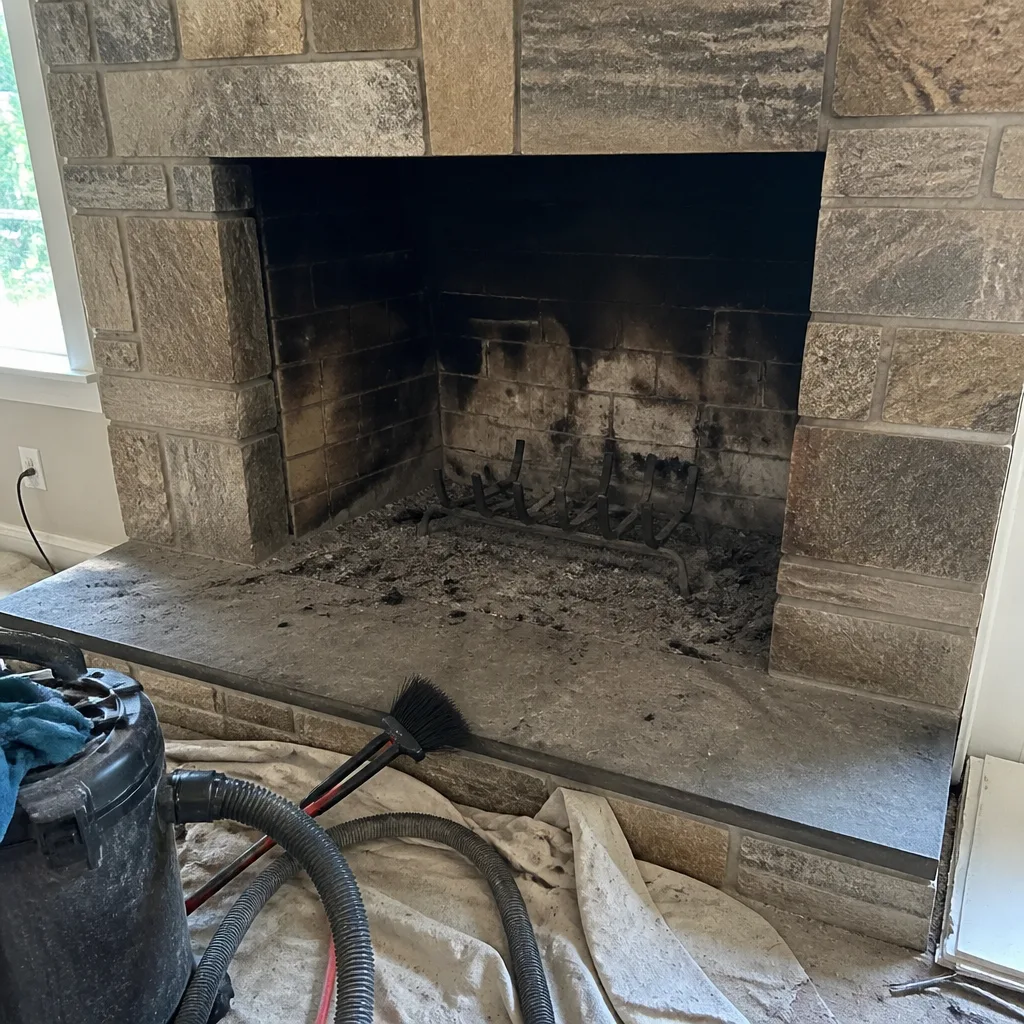 Before
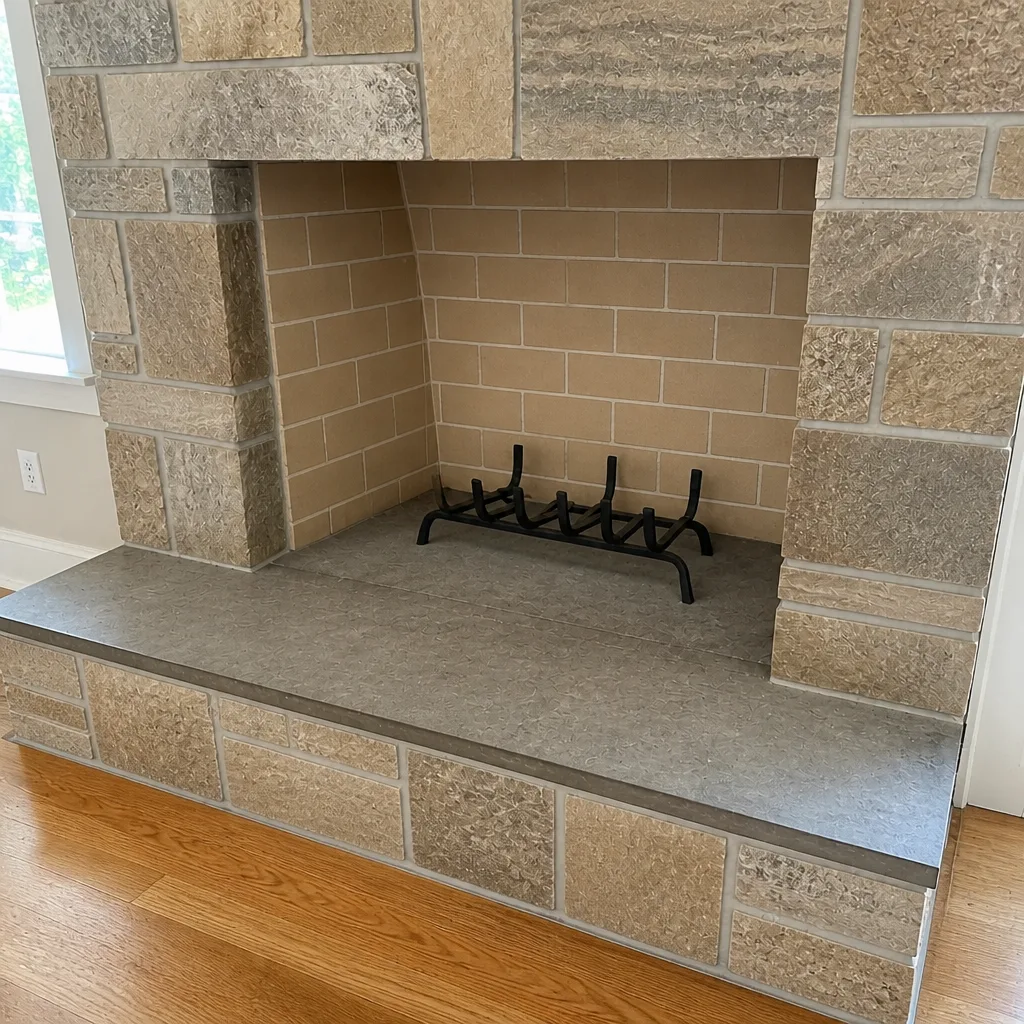 After
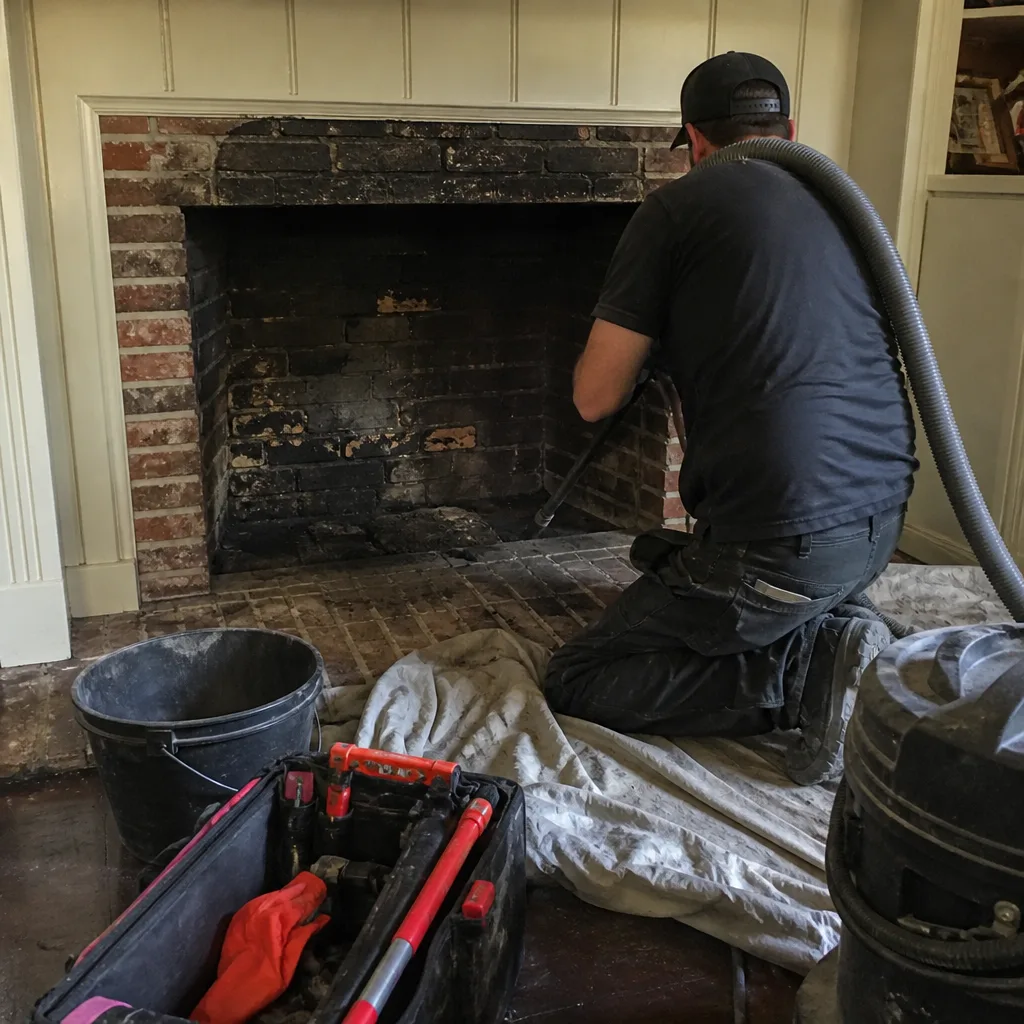 Before
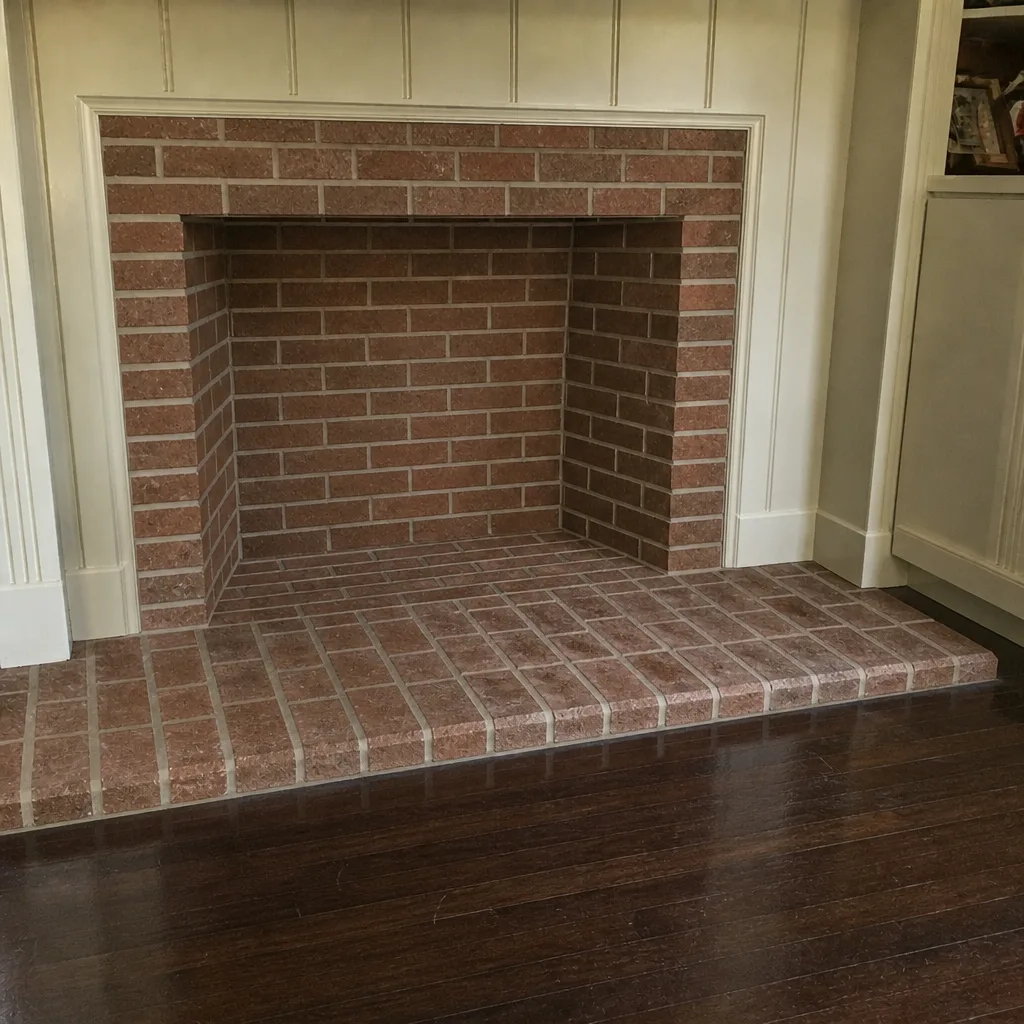 After
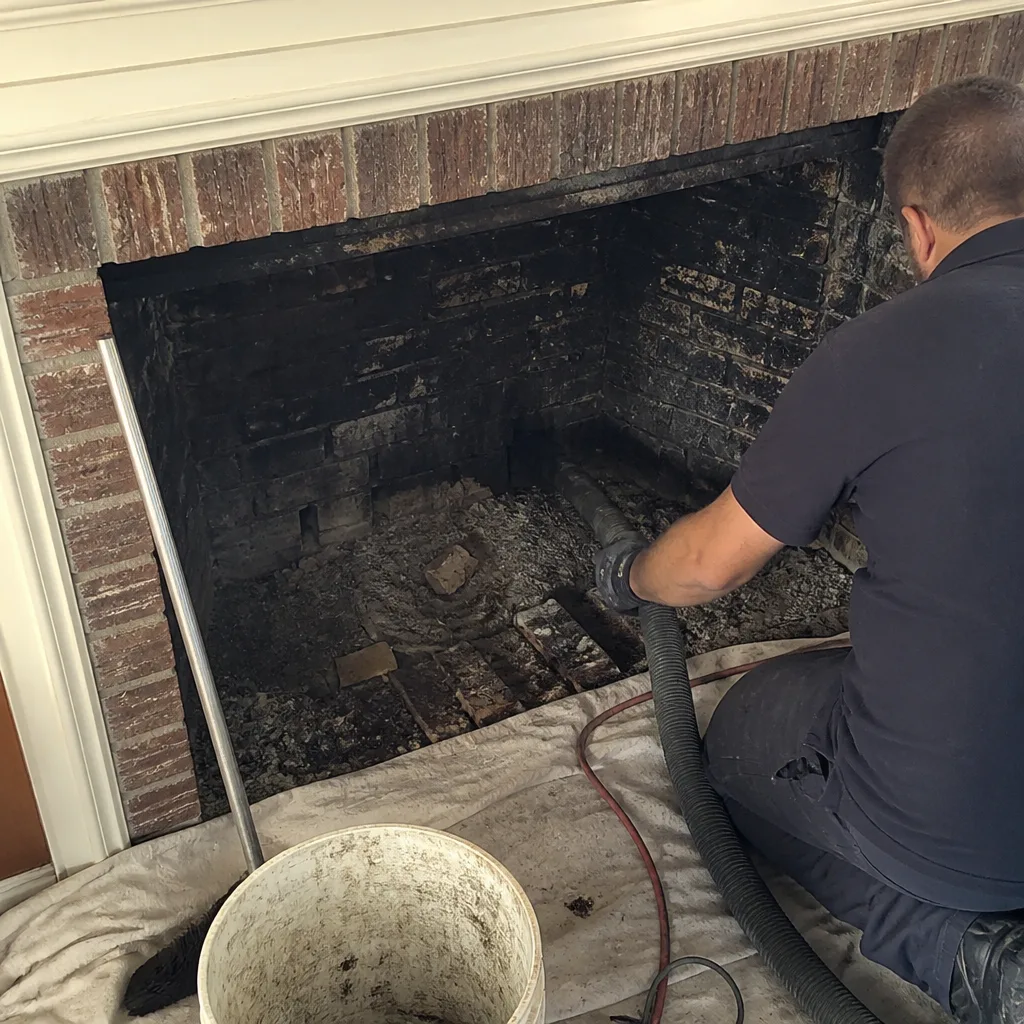 Before
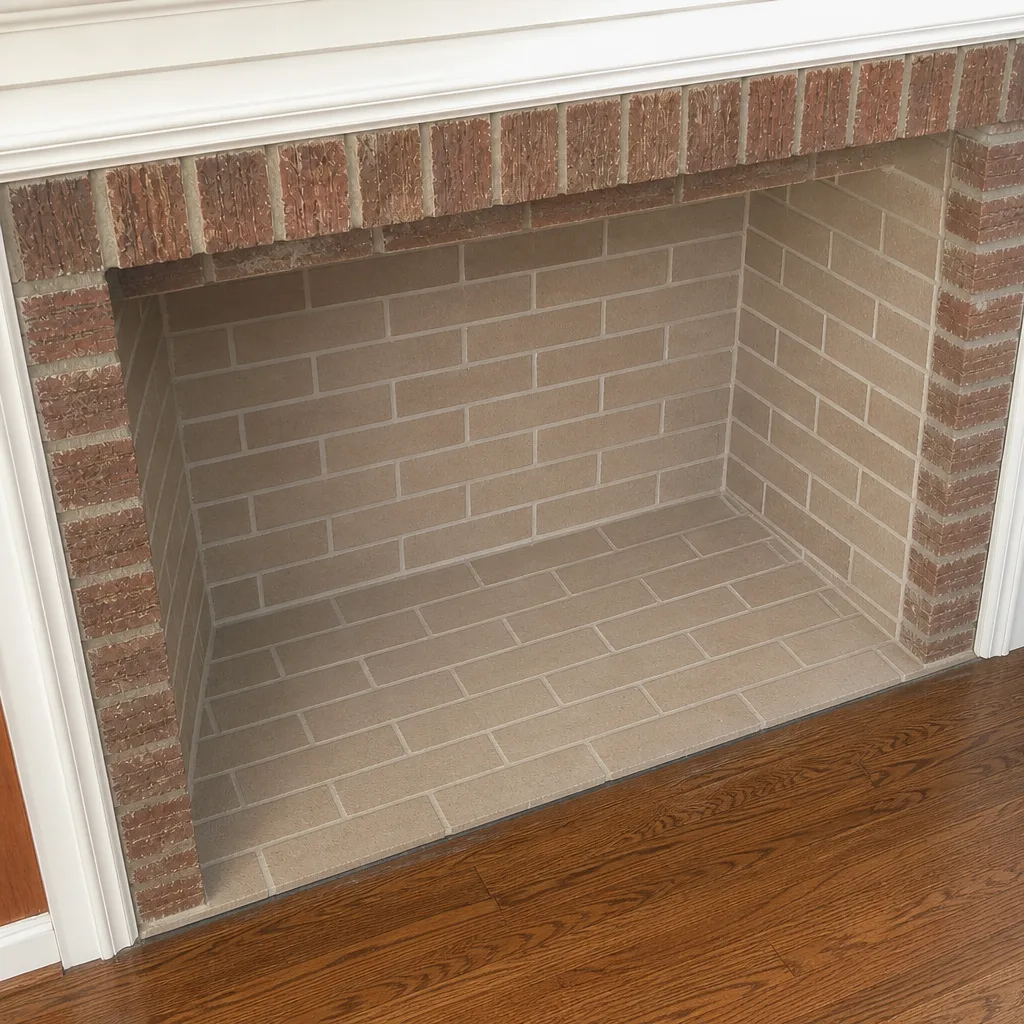 After
When to Call a Professional
Call a professional chimney company when the chimney hasn’t been swept in the past 12 months of active use, when you notice creosote buildup beyond a thin flaky layer, when smoke backs up into the room, or when you see cracks in the flue, crown, or mortar joints. Call before the first fire of the season in Cary – the shoulder season is when scheduling is easiest and any issues can be resolved without pushing into cold weather.
Chimney Sweep Cary offers free estimates in Cary – call (833) 519-6077. We answer 24/7. Fast dispatch from 7am to 7pm, Sunday through Friday. We document what we find, and we can tell you plainly when work can safely wait.
Frequently Asked Questions
A chimney sweep cost in Cary varies by flue type, accessibility, and condition, and we set every price per job by written estimate rather than quoting a flat figure. What you get is a documented sweep with a camera or visual inspection report and photos of what we found. Call (833) 519-6077 for an exact quote – estimates are free.
You need a new liner when the existing flue has cracks, spalling, gaps at the joints, or a failed clay tile that can’t be restored by resurfacing. A written inspection with photos is the honest way to make that call. If your flue is sound, we’ll tell you so and skip the liner. Call (833) 519-6077 for a free estimate.
A chimney should be swept once per year during active wood-burning use, and more often if you burn frequently or notice heavy creosote buildup. In our experience, the right cadence depends on how many cords you burn and how hot the fire runs. Call (833) 519-6077 to book a sweep before the first fire of the season.
Creosote accumulates inside the flue with each fire, and heavy buildup is a fire hazard. That’s not a scare point – it’s the physical reality of wood combustion. Skipping a sweep also means small liner cracks go unnoticed until they turn into relining work. Call (833) 519-6077 for a free estimate.
DuraFlex is a flexible stainless liner installed inside your flue when the existing flue is compromised or needs a compliance upgrade. HeatShield is a resurfacing system that repairs the interior of a masonry flue without full demolition. They solve different problems – a specialist can look at your flue and tell you which one applies.
Yes. The manufacturer’s warranty on a liner covers the product itself and typically includes conditions that void coverage, like missing annual inspection. The company’s labor warranty is separate and covers workmanship. Both should be in writing before any liner or crown repair begins. Call (833) 519-6077 for a free estimate.
Some can, but many sub it out or order generic materials when a specific product line is required. Ask what liner brand they’ll install and whether they can produce the spec sheet. If they can’t, the specialist path is safer.
The Bottom Line
Choosing a chimney company in Cary is a two-part decision: the company brand and the material brand. Specialization matters because chimney work has its own methods, its own brush types, and its own repair products that generalists rarely carry. Material brand matters because the liner, cap, and resurfacing system stay in your chimney for decades and carry their own warranty obligations. Ask about DuraFlex for liners, HeatShield for flue resurfacing, and professional-trade brands like Olympia Chimney, Famco, or Copperfield for caps and brushes. Get material and labor warranties in writing before any repair begins. And ask for a written report with photos so you can verify what’s actually inside your flue.
Chimney Sweep Cary provides chimney sweeping, chimney repair, and chimney inspection across Cary and the surrounding area. Our technicians have up to 9 years of experience, we work with professional-grade product lines including DuraFlex, HeatShield, Gelco, Olympia Chimney, Famco, and Copperfield, and every job is documented in writing. One specialist, start to finish. Call (833) 519-6077 for a free estimate. We answer 24/7. Fast dispatch from 7am to 7pm, Sunday through Friday.
Written by the team at Chimney Sweep Cary.