
Last updated November 16, 2026
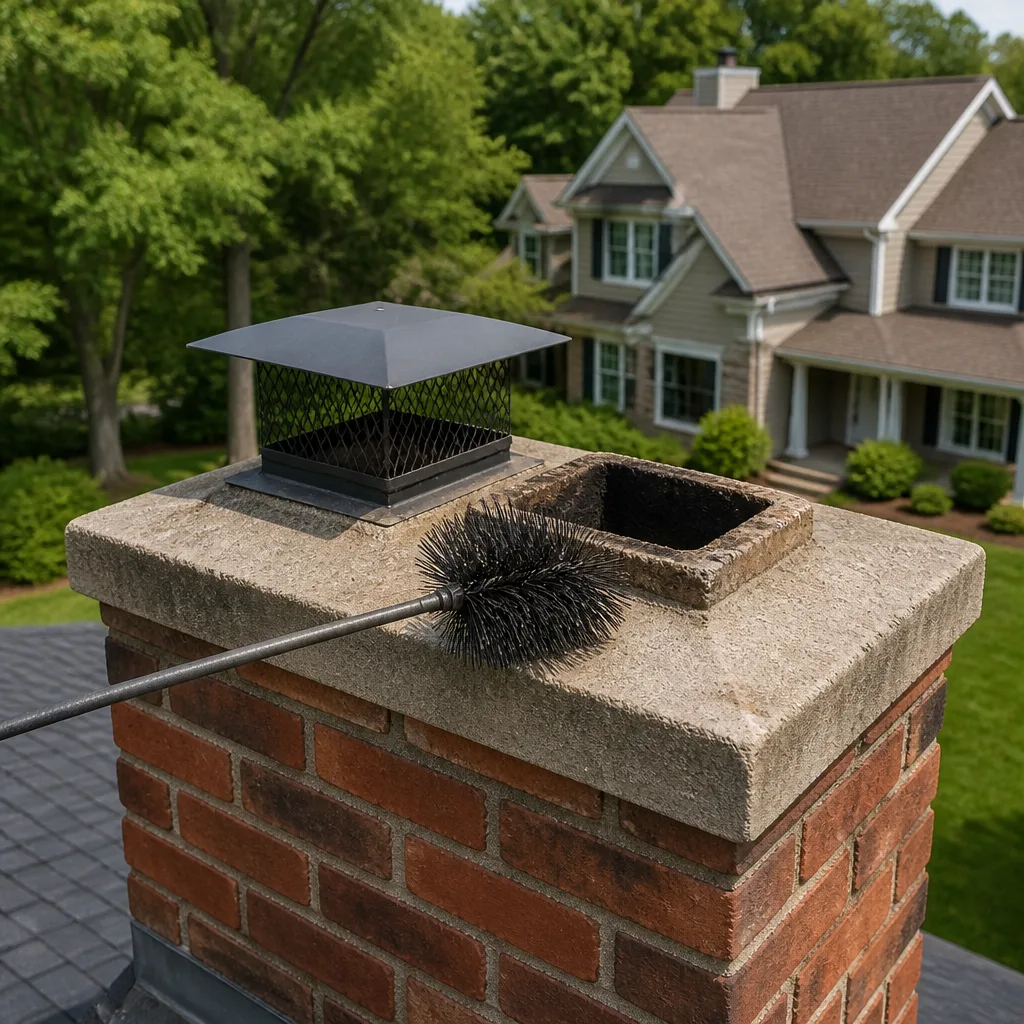 Sweep & inspection
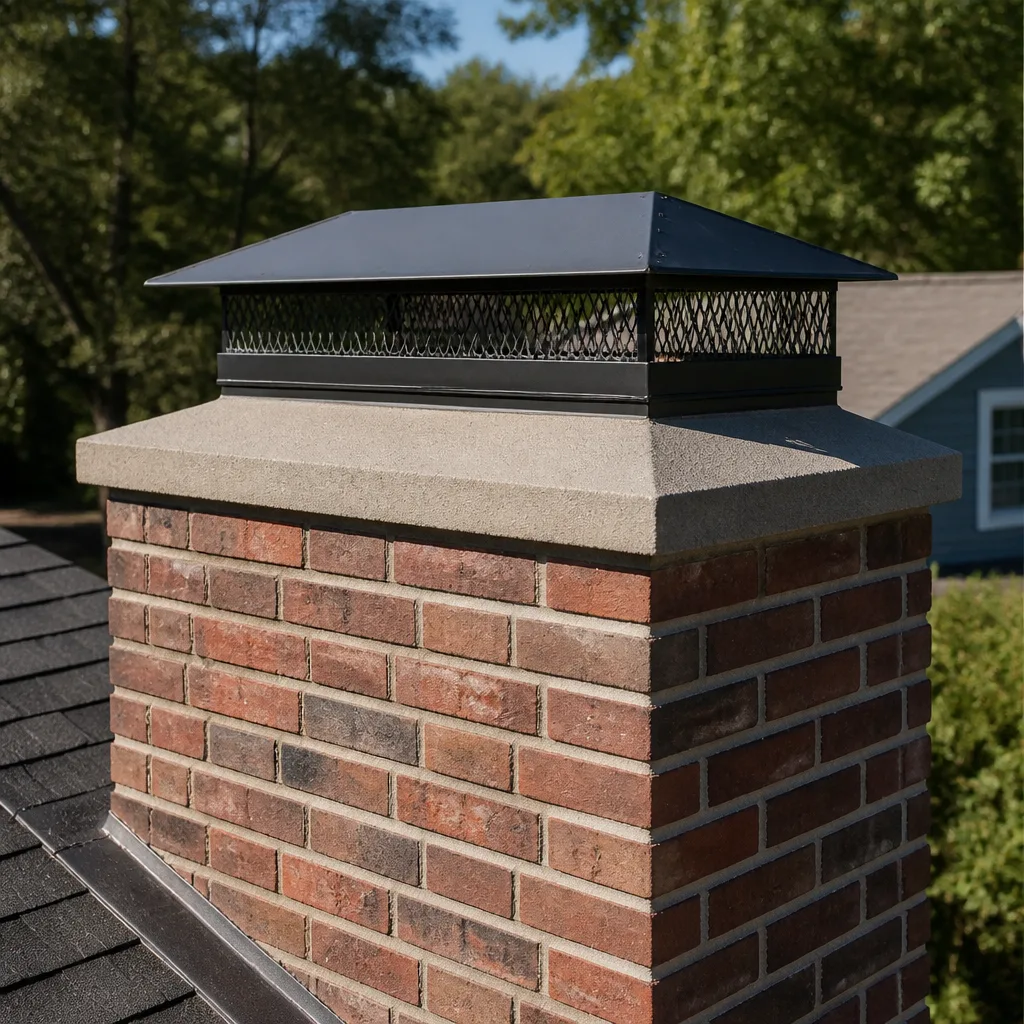 Caps & crowns
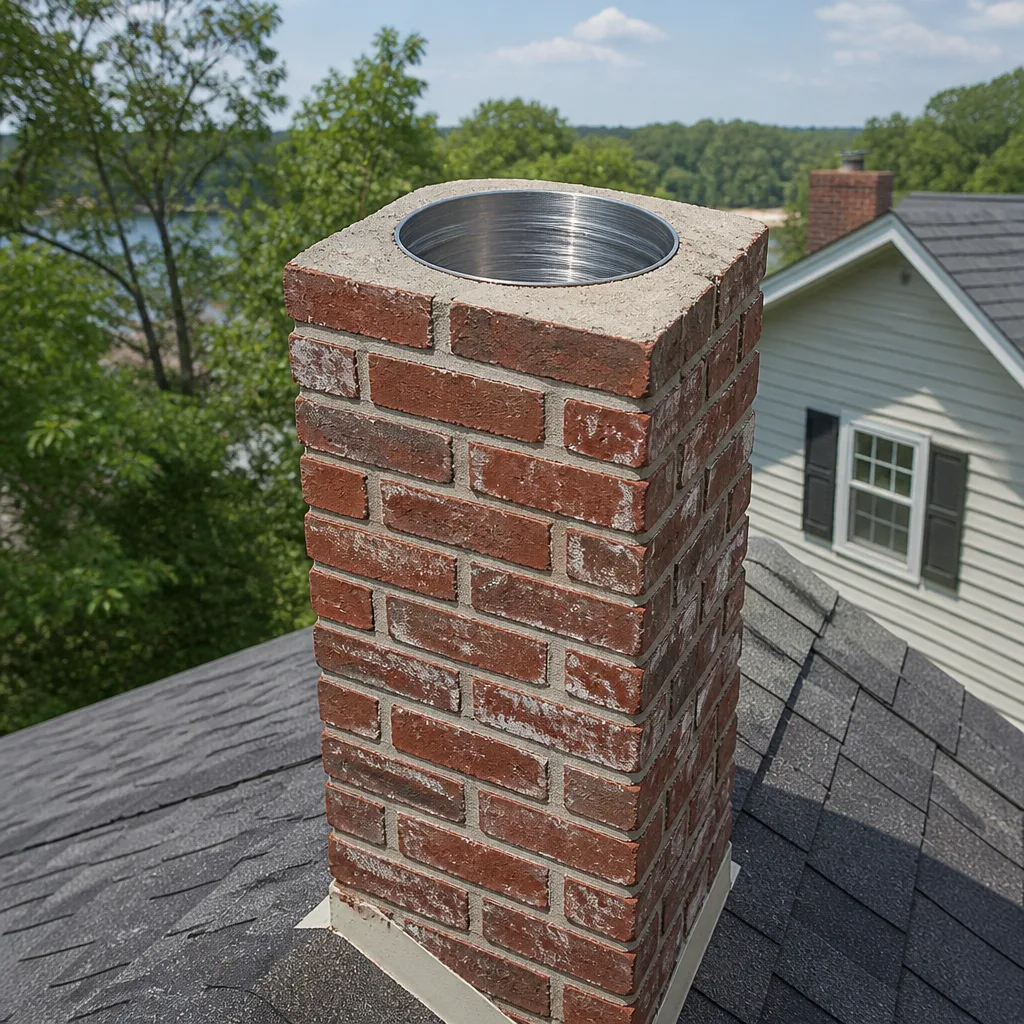 Flue relining
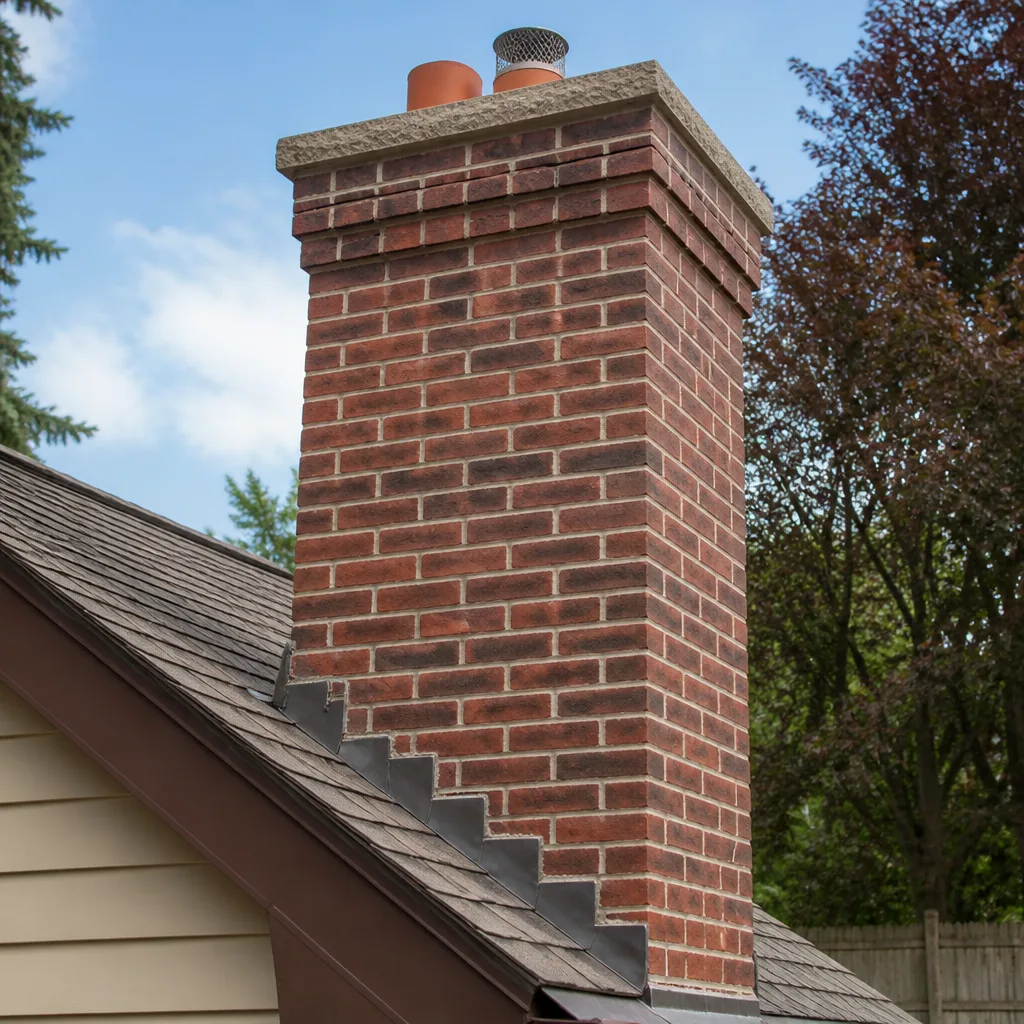 Masonry repair
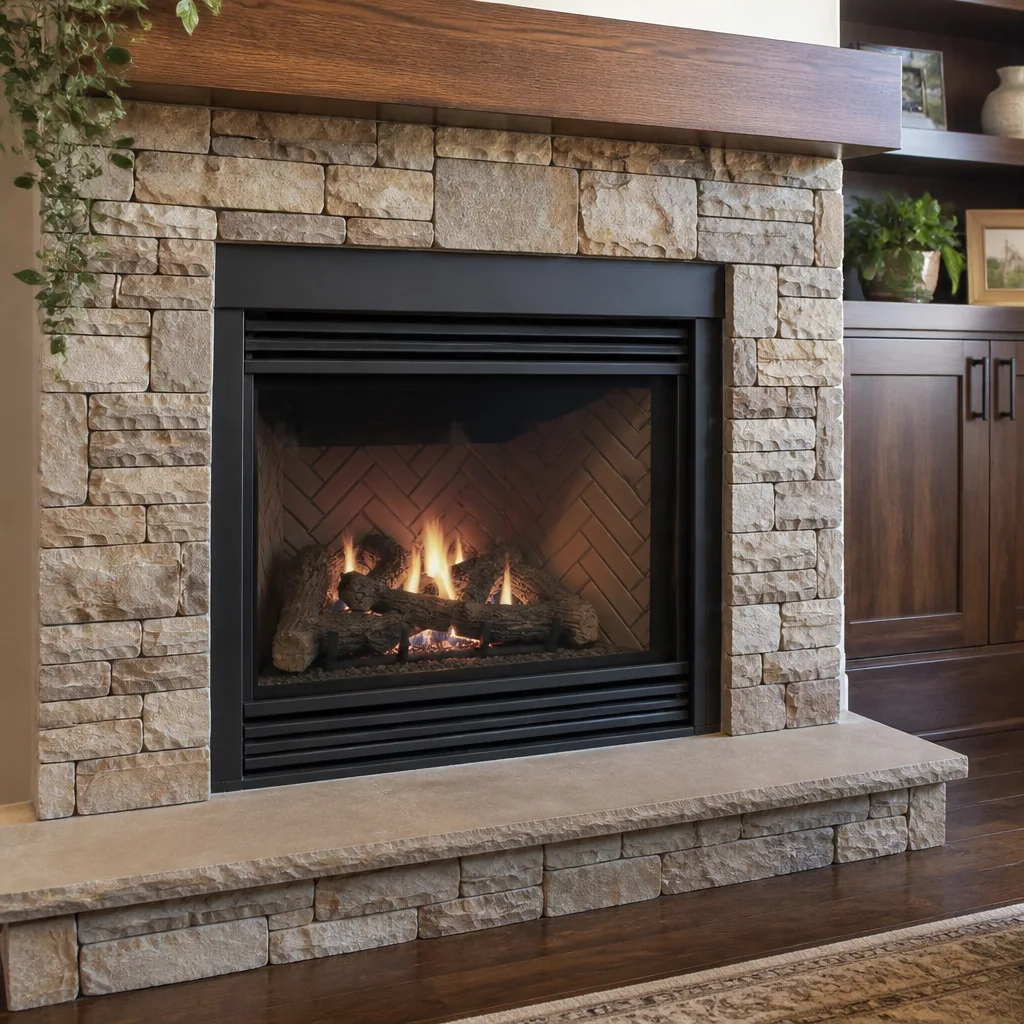 Gas fireplace service
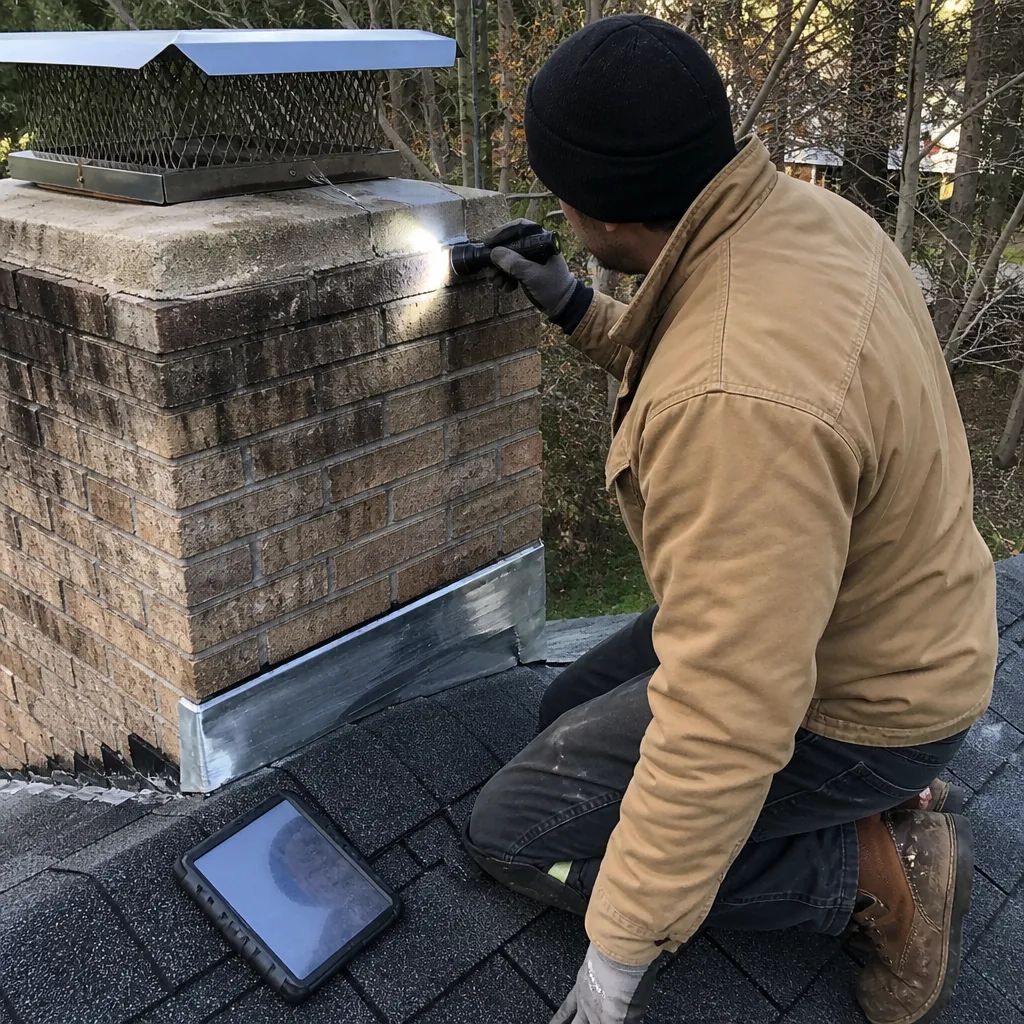
Level 1 sweep and inspection to the NFPA 211 annual standard - flue, crown, cap, and flashing checked and photographed
Chimney sweep logs do not sweep chimneys. They loosen some creosote - which then falls where a brush and vacuum still have to collect it.
How to Hire a Chimney Cleaning Contractor in Cary: A Step-by-Step Guide
Search “chimney sweep Cary NC” and you’ll get a strange mix. HVAC companies, general contractors, even a pressure washing outfit or two, all advertising chimney services. Most of them don’t have a single CSIA-certified technician on staff. That’s the real challenge in this market. Finding someone who’ll show up isn’t hard. Finding someone who actually specializes in chimneys, stocks the right materials, and can document what they find is the part that takes work. This guide walks you through exactly how to tell the difference before you book, what to ask, which red flags matter in Cary, and how to structure the conversation after the inspection so you leave with a clear, prioritized repair list instead of a single confusing quote.
Quick Answer
Hiring a chimney cleaning contractor in Cary means verifying CSIA certification through the public database, asking specifically about liner materials and inspection level before booking, and insisting on a written inspection report with photos. A qualified specialist does chimneys only, stocks professional-grade brands like DuraFlex or HeatShield, and gives you a prioritized repair list rather than a bundled quote. If any of those pieces are missing, keep looking.
Styles & brands we work with
- Sweep & inspection
- Caps & crowns
- Flue relining
- Masonry repair
- Gas fireplace service
Table of Contents
- Why a Chimney Specialist Beats a Generalist in Cary
- What CSIA Certification Actually Means (and What It Doesn’t)
- How to Verify a Contractor Before You Book
- The Questions to Ask Before Scheduling
- Cary-Specific Red Flags
- Why Industry-Grade Materials Matter
- What a Real Inspection Includes
- How to Read Your Repair List After the Inspection
Why a Chimney Specialist Beats a Generalist in Cary
Chimney work looks simple from the ground. It isn’t. A flue is a system: the firebox, the damper, the smoke chamber, the flue liner, the crown, the cap, and the chase cover all interact. When something goes wrong, the cause is rarely where the symptom shows up. A draft problem at the firebox might trace back to a cracked crown letting water into the masonry. A smoke smell in the living room might come from a flue that’s the wrong size for the appliance.
A generalist with one brush kit can sweep a flue. That’s the easy part. The trouble starts when the sweep turns up a problem. An HVAC company that added “chimney cleaning” to its service list can’t resurface a damaged flue, install a new liner, or pour a crown. They’ll either refer you out, subcontract the repair, or worse, attempt it with hardware-store materials that don’t meet the standard the job requires.
We focus on chimneys only: sweep, repair, and inspection. Every technician’s training is chimney-specific. Every product we stock is chimney-specific. That matters in a market like Cary, where the housing stock runs from older brick ranches in neighborhoods like Greenwood Forest to newer construction in Amberly and Twin Lakes. A chimney built in 1975 and one built in 2015 have completely different failure modes, and a specialist has seen both.
There’s also a practical angle. When one provider handles the sweep, the repair, and the inspection, a single call resolves the problem start to finish. No coordinating between three companies that each blame the other for the leak. Our technicians have up to 9 years of experience, and they’ve seen enough Cary chimneys to recognize a problem quickly. For a full picture of what we do, see our chimney repair page.
What CSIA Certification Actually Means (and What It Doesn’t)
CSIA stands for Chimney Safety Institute of America. It’s the recognized credentialing body for this trade in the United States. A CSIA Certified Chimney Sweep has passed a written exam covering codes, venting principles, and combustion science, and maintains the credential through continuing education. The certification isn’t a lifetime pass. It has to be renewed, and that renewal requires ongoing training.
What it doesn’t cover is just as important to understand. CSIA certification isn’t a license. North Carolina doesn’t currently issue a chimney-specific contractor license, so a company can hold a general contractor license, a handyman policy, or nothing at all and still advertise chimney work. The CSIA credential is the closest thing this trade has to a professional standard, and it’s voluntary. That’s why verifying it matters more here than in states with tighter trade licensing.
What CSIA certification tells you
- The technician passed a proctored exam on chimney and venting principles.
- They’re bound to a code of ethics that includes documenting findings honestly.
- They renew through continuing education, so their knowledge stays current with code changes.
- They’ve committed to the industry’s own standard for how a sweep and inspection should be performed.
What it does not tell you
- It doesn’t guarantee a specific price.
- It doesn’t tell you what brands they stock or what repair capability they have.
- It doesn’t mean the whole company is certified, only that individual technicians are.
- It isn’t a substitute for verifying liability insurance and workers’ compensation coverage.
Ask the company how many of their technicians hold CSIA certification. A company where the owner is certified but the crew that shows up isn’t is a different operation from one where every technician on the truck holds the credential.
How to Verify a Contractor Before You Book
Verification takes about ten minutes and saves you from the most expensive mistake in this category. Work through these steps in order:
- Check the CSIA public database. The CSIA maintains a searchable directory at csia.org. Enter the company name or the technician’s name and confirm the certification is active, not lapsed. Don’t skip this. A company that claims certification but doesn’t appear in the database has some explaining to do.
- Confirm their liability insurance. Ask for a certificate of insurance and verify the policy is current. A general handyman policy may not cover chimney work at all, and if a technician falls from your roof on an uncovered job, that exposure lands on you as the homeowner.
- Ask about workers’ compensation. If the technician on your roof is an employee, workers’ comp should be in place. If it’s a subcontractor, ask how they’re covered.
- Look up their business registration. The North Carolina Secretary of State’s website confirms the business is registered and in good standing.
- Search for reviews across multiple platforms. Google, the Better Business Bureau, and any local Cary community forums. Look for patterns, not single complaints. A company with consistent, detailed reviews is a different animal from one with a handful of generic ones.
- Ask what they stock. A specialist will name specific product lines without hesitation. A generalist will give you a vague answer.
This is the step most homeowners skip, and it’s the one that separates a real specialist from a company that added chimney work to a list of other services. For a broader look at how to think about chimney sweep credentials, we’ve laid out the basics elsewhere on our site.
The Questions to Ask Before Scheduling
A phone call before booking tells you almost everything you need to know. Ask these questions and listen carefully to the answers. A specialist answers directly. A generalist deflects, generalizes, or offers to “send someone out to take a look.”
The five questions that matter most
1. What liner materials do you stock? The right answer names specific professional lines: DuraFlex flexible liner systems, HeatShield resurfacing compound, and components from Gelco or Copperfield. If the answer is “we can get whatever’s needed,” that’s a red flag. It means they order from a supply house and haven’t committed to a specific standard.
2. What level of inspection is included? There are three inspection levels under the industry standard. Level 1 is a visual check of accessible portions. Level 2 adds a video scan of the flue interior and is required for real estate transactions, after a chimney fire, or when changing an appliance. Level 3 involves accessing concealed areas. A sweep usually includes a Level 1, but you need to know what you’re paying for and whether a Level 2 is warranted.
3. Do you carry your own liability insurance, or do you rely on a general handyman policy? The answer should be straightforward: they carry their own, and they can provide the certificate.
4. What type of fireplace or appliance do you have? If they don’t ask you this before quoting, the quote is meaningless. A masonry fireplace with a wood-burning insert has different needs than a factory-built unit or a gas appliance conversion. A quote given without asking is a number pulled from the air.
5. Do you provide a written inspection report? The answer should be yes, and the report should include photos and video, not just a checklist. “We’ll tell you what we find” isn’t a report.
Cary-Specific Red Flags
Some of the warning signs in this market are specific to how chimney work gets marketed here. Watch for these:
Vague “chimney tune-up” packages
A “tune-up” isn’t a term this trade uses. A sweep is a sweep. An inspection is an inspection. A tune-up suggests they’re going to spray something, tighten something, and hand you a bill without doing either job properly. If a package price shows up in a flyer with no detail about what’s included, ask for the specifics in writing.
Quotes given without asking about fireplace type or fuel
Cary homes have a mix of masonry fireplaces, factory-built units, wood stoves, and gas appliance conversions. Each one requires different tools, different inspection procedures, and different materials. Any quote given over the phone without knowing what you have is a guess, not a price.
No mention of a written inspection report
This is the biggest one. A sweep that doesn’t leave you with documentation hasn’t done the job. You should get a written report with photos and, where warranted, video footage of the flue interior. Without that, you have no way to verify the recommendation or track changes from year to year.
Unsolicited upsell from a sweep
If a company sweeps your chimney and immediately tells you that you need thousands of dollars in liner or masonry work, ask to see the camera footage. A specialist will show you exactly what the camera saw before recommending any repair. Nothing gets recommended without evidence you can see for yourself.
No physical address or established local presence
Chimney work in Cary draws a lot of out-of-area operators who run seasonal routes. Check that the company has a genuine local presence and verifiable reviews from Cary homeowners, not just a phone number and a website.
Why Industry-Grade Materials Matter
The material behind a repair matters more than the repair itself. A liner installed with a generic substitute will fail years sooner than one installed with a DuraFlex system. A flue resurfaced with an off-brand compound cracks and pulls away from the masonry. The upfront cost is similar, but the life of the repair isn’t. This is where the difference between a specialist and a generalist actually shows up on your house.
Professional-grade products are engineered for the specific environment inside a chimney: high heat, acidic condensate, and thermal cycling. A generic filler from a supply house doesn’t meet that standard. It wasn’t designed for it.
What to look for in a contractor’s material lineup
- DuraFlex flexible liner systems for relining jobs, insert installations, and gas appliance conversions where code compliance requires an upgrade.
- HeatShield resurfacing system for restoring a damaged flue without full demolition. This is a higher-skill repair that separates a diagnostic-only sweep service from a full restoration provider.
- Gelco caps and Copperfield components for the crown, cap, and chase cover work that protects everything underneath.
- Olympia Chimney and Famco product lines for the specialty components a chimney needs to vent properly.
When a contractor names these products quickly and specifically, they’ve worked with them. When they say “we use the best materials available,” they’re telling you they haven’t committed to a standard. For details on how we approach this, see our main page at Chimney Sweep Cary.
What a Real Inspection Includes
An inspection is the diagnostic step that makes everything else possible. Without it, a repair recommendation is guesswork. A proper inspection in Cary covers both the visible portions of the chimney and the concealed flue interior, and it produces a written record you can keep. Here’s what a Level 1 and Level 2 inspection should actually involve:
Level 1 inspection
- Visual check of the firebox, damper, smoke chamber, and accessible portions of the flue.
- Exterior check of the crown, cap, chase cover, and masonry.
- Check for creosote buildup and any obvious obstruction.
- Written report documenting what was found.
Level 2 inspection
A Level 2 inspection adds a video scan of the full flue interior, usually with a camera on a rod or cable. It’s the standard for real estate transactions, after a chimney fire, or when changing the appliance or fuel type. If you’re buying or selling a home in Cary, insist on a Level 2 before closing. A Level 1 won’t reveal a cracked flue tile or a compromised liner joint hidden from view.
What a real report shows you
Photos of every issue, video of the flue interior where applicable, and a written summary of findings organized by urgency. Not just a checklist. Not just a verbal summary on the way out the door. You should be able to read the report months later and understand exactly what was found and what needs to happen next.
How to Read Your Repair List After the Inspection
The moment after an inspection is where most homeowners get talked into more than they need. The fix is simple: before you agree to any repair, ask for the findings organized by priority. Not a single bundled quote. A list with three columns: what needs to happen now, what can wait until next season, and what’s cosmetic. Then decide.
Here’s how to think about each category:
What needs to happen now
Anything that compromises safe operation: a cracked flue tile, a failing liner joint, a blocked flue, a cracked or missing cap, or a damaged crown letting water into the masonry. These aren’t optional. They also shouldn’t come as a surprise if the contractor walked you through the photos before recommending the work.
What can wait until next season
Moderate creosote buildup that isn’t causing a draft problem, hairline cracks in a crown that aren’t yet allowing water penetration, or minor cap wear. These need to be monitored, not ignored, but they don’t have to be fixed this week. If a contractor tells you they do, ask why. A specialist will tell you plainly when work can safely wait. That’s part of the job.
What’s cosmetic
Staining on the exterior masonry, minor paint wear, or a slightly weathered cap. These affect appearance, not function. They can be scheduled whenever it’s convenient, or skipped entirely.
The point of the prioritized list isn’t to delay needed work. It’s to keep you from paying for repairs you don’t need, which is the single most common complaint we hear from Cary homeowners who’ve used a generalist contractor. Nothing gets recommended without camera evidence they can see for themselves. For a deeper look at the repair side, our chimney repair page covers what each type of job involves.
Common Mistakes to Avoid
- Booking on price alone. The cheapest bid in Cary is usually the one that walks in with a brush and no camera. A $99 sweep that turns into a $4,000 liner recommendation without a single photo isn’t cheap; it’s expensive with a low entry price.
- Skipping the CSIA database check. A contractor can claim certification on their website. The database is the only way to verify it’s current and belongs to the technician who’ll actually show up.
- Accepting a verbal inspection summary. If you don’t get a written report, you have no way to verify the recommendation or compare it to next year. Ask before you book, not after.
- Scheduling a sweep without knowing what type of fireplace you have. A contractor who doesn’t ask isn’t equipped for the job. If you have a factory-built unit, an insert, or a gas appliance conversion, the procedure is different from a masonry fireplace.
- Waiting until the first cold snap to book. Late fall in Cary is when every chimney contractor’s calendar fills up. A sweep in September is the same job as a sweep in December, but the scheduling is much easier.
- Letting a generalist “take a look” without an inspection level attached. “We’ll take a look while we’re there” is not a Level 1 or Level 2 inspection. Ask which level is included and what the report will cover.
- Ignoring the cap and crown. Water damage from a failed crown or missing cap is the most common cause of major chimney repair in this climate. Small cap and crown fixes are cheap. Rebuilding a chimney from water damage is not.
See the difference
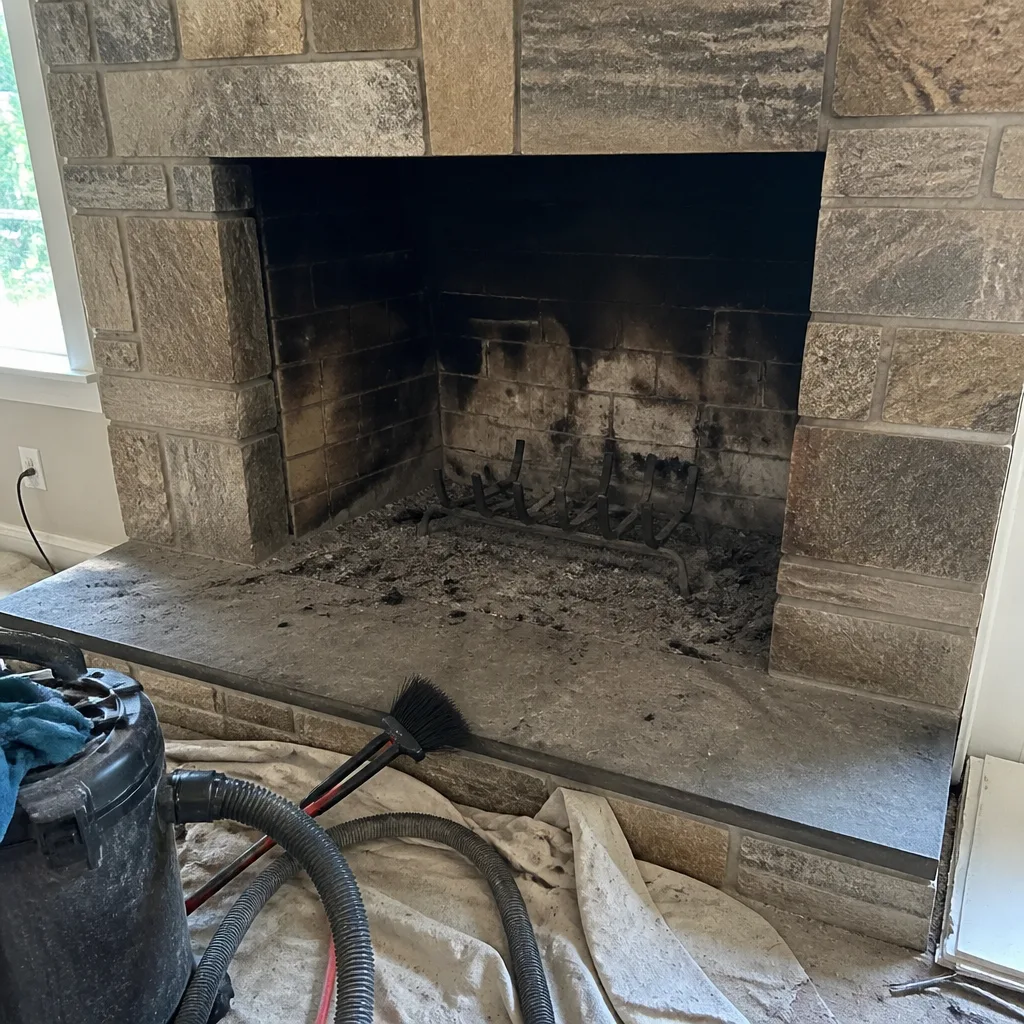 Before
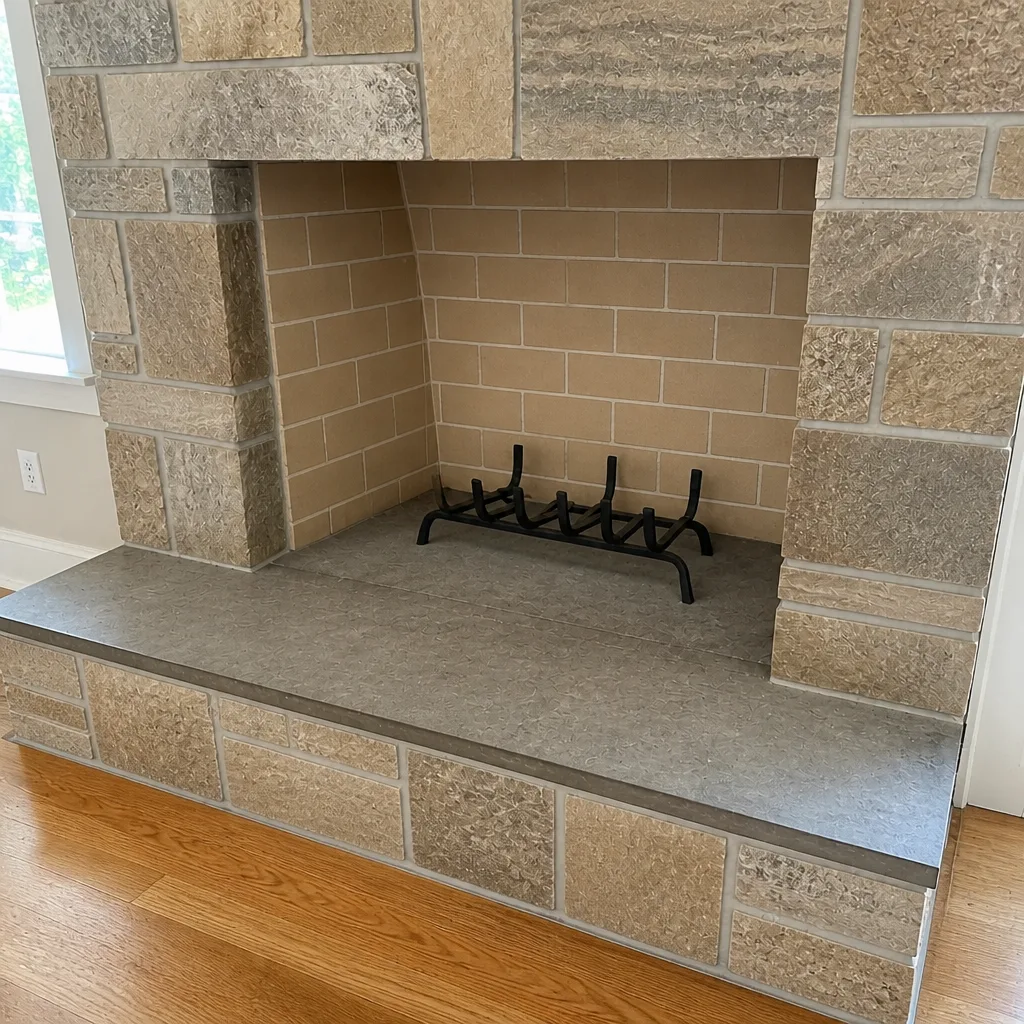 After
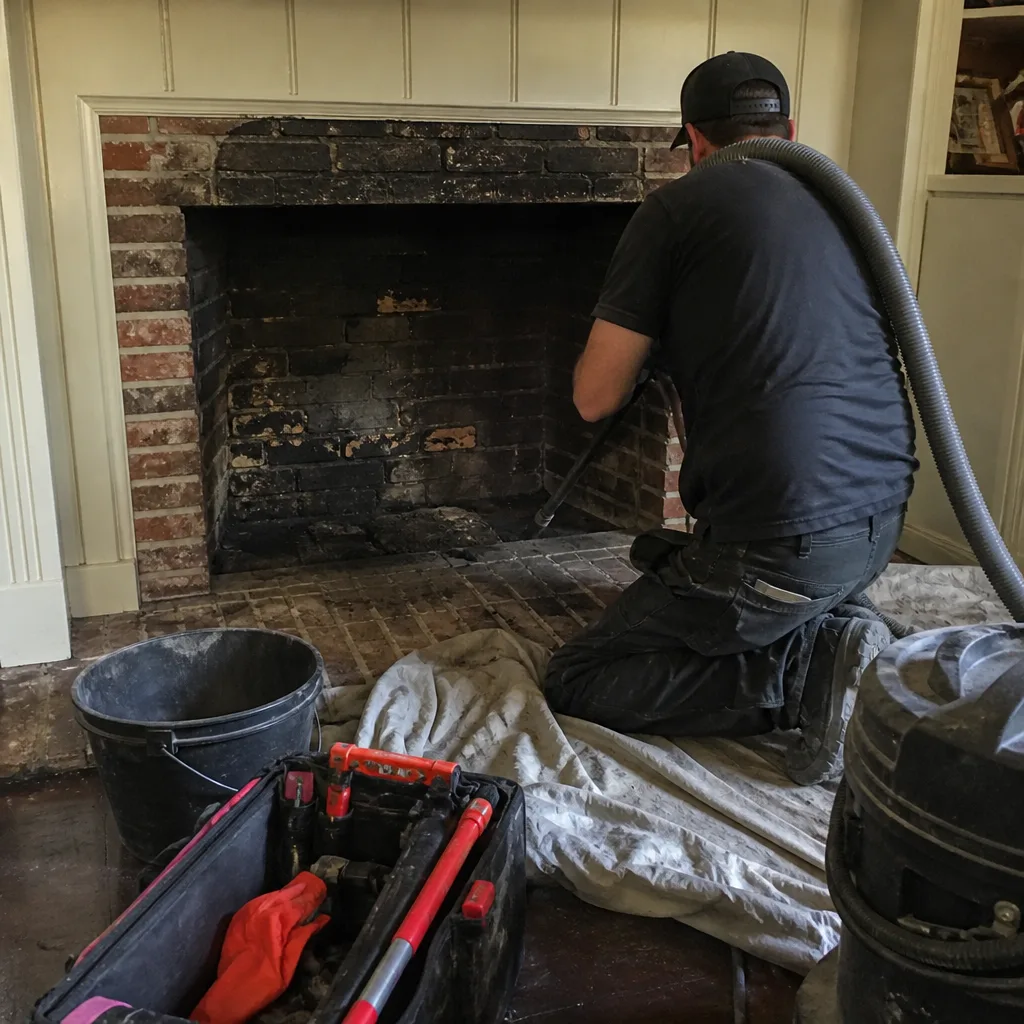 Before
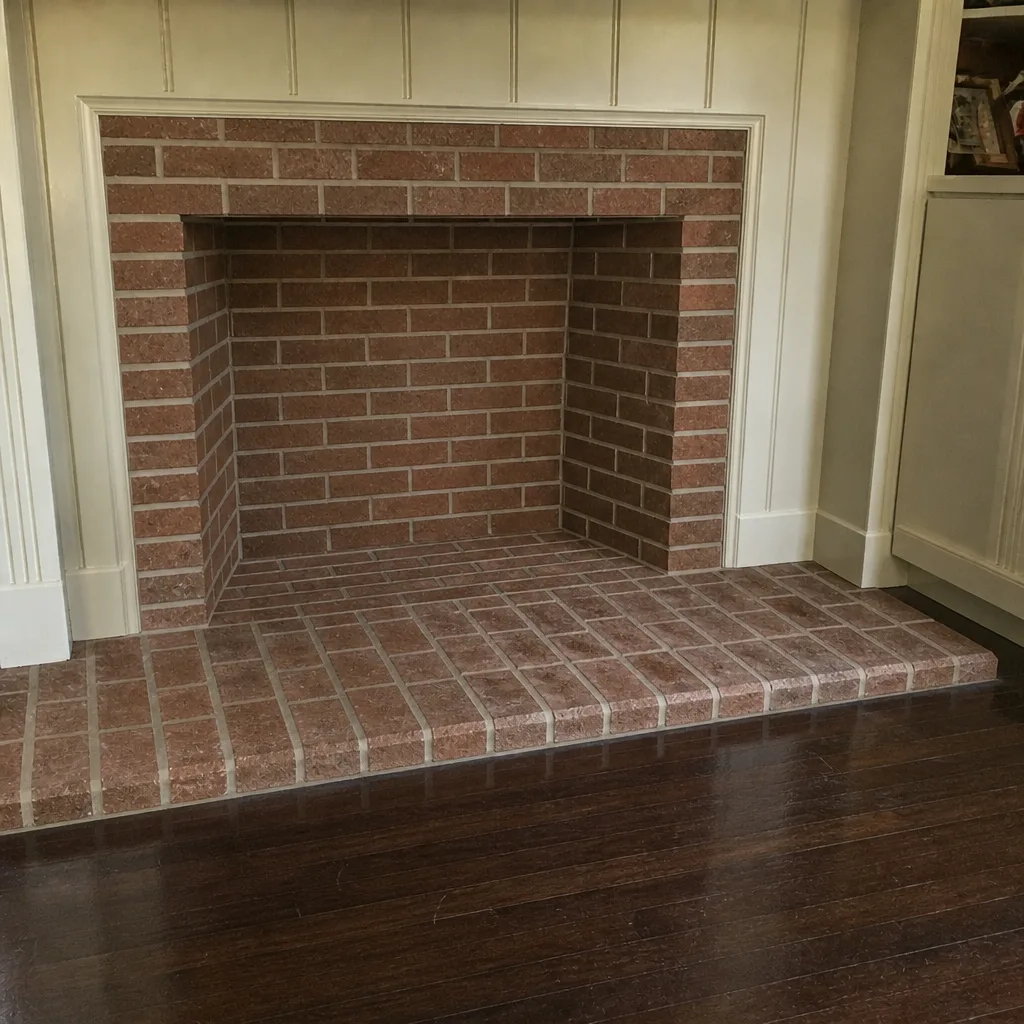 After
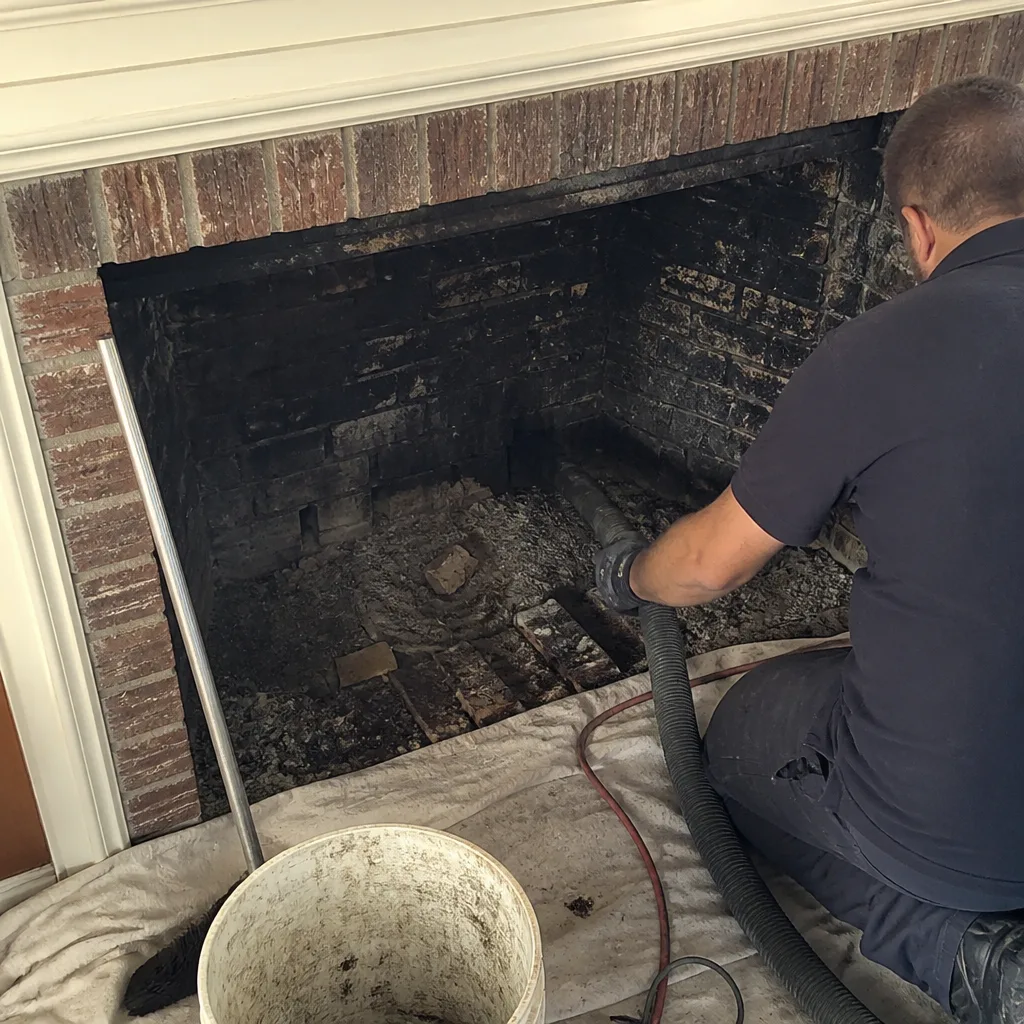 Before
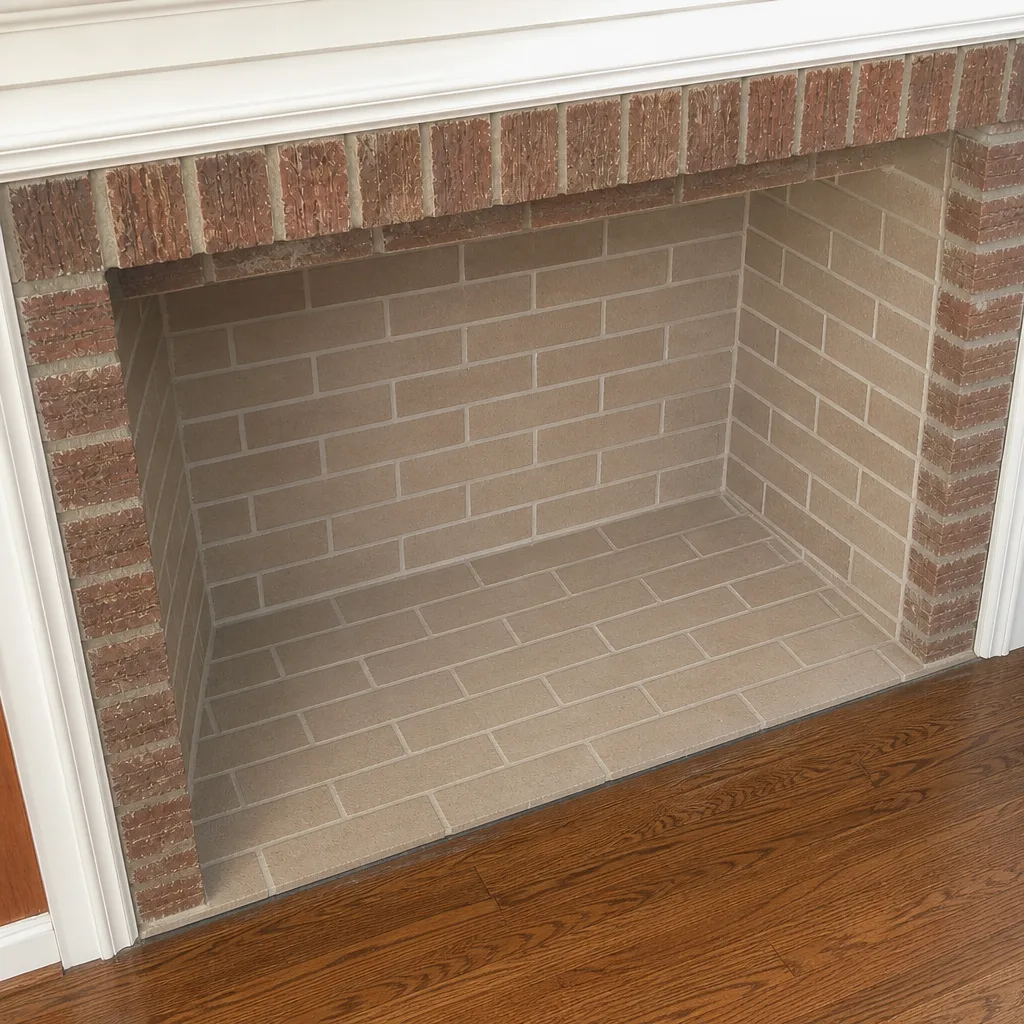 After
When to Call a Professional
Some chimney issues announce themselves loudly. Others stay quiet until they’ve done real damage. Call a professional if you haven’t had the chimney swept before the first fire of the season, if you notice creosote buildup on the flue walls, if smoke backs into the room when you light a fire, or if you smell a strong draft coming down the chimney when it’s not in use. You should also call if you’re buying or selling a home in Cary and need a Level 2 inspection before closing, or if you’ve had a chimney fire at any point, even a small one that seemed to burn out on its own. A camera scan can reveal damage a visual check misses.
If you’re unsure whether the chimney needs attention, the answer is always to have it inspected. Nothing gets recommended without evidence you can see for yourself, and we’ll tell you plainly when work can safely wait. Chimney Sweep Cary offers free estimates in Cary, and we answer 24/7. Call (833) 519-6077. Fast dispatch from 7am to 7pm, Sunday through Friday.
Frequently Asked Questions
Once a year is the standard recommendation for any chimney in regular use, and more often if you burn frequently or notice heavy creosote buildup. A yearly sweep keeps the flue clear and gives you an annual record of the chimney’s condition. If it’s been more than a year since your last sweep, book one before the first fire of the season.
Pricing depends on the type of fireplace, the level of inspection included, and whether the flue is straightforward or has turns and offsets. Call (833) 519-6077 for an exact quote. Estimates are free.
You need a Level 2 inspection if you’re buying or selling a home, if you’ve had a chimney fire, if you’re changing the appliance or fuel type, or if there’s been a seismic event or a significant chimney modification. A yearly sweep typically includes a Level 1, which is sufficient for routine maintenance on an unchanged system. For a real estate transaction in Cary, insist on Level 2.
A sweep cleans the flue. An inspection documents its condition. The best practice is to do both in the same visit: sweep first, then inspect the cleaned flue so the camera can see cracks and damage clearly. A sweep without an inspection leaves you with a clean chimney and no record of its condition. An inspection without a sweep leaves you with creosote still in place. Ask for both.
Creosote accumulates on the flue walls. It’s highly flammable, and once it builds up enough, an ignition source can start a chimney fire without warning. Deposits also restrict airflow, which can cause smoke to back into the room. Skipping a year isn’t always catastrophic, but it’s a risk that builds. The safe practice is yearly.
A handyman can run a brush down a flue. That’s the easy part. What a handyman typically can’t do is inspect the flue with a camera, install a DuraFlex liner to code, resurface a damaged flue with HeatShield, or provide the written inspection report that documents what was found. If a handyman offers to sweep your chimney, ask what happens if they find damage. If the answer is “I refer you out,” call a specialist from the start.
The Bottom Line
The hardest part of hiring a chimney sweep in Cary isn’t finding someone. It’s distinguishing a real specialist from a generalist who added chimney work to a menu. Verify CSIA certification through the public database, not the contractor’s website. Ask about liner materials and inspection level before you book. Insist on a written report with photos, and ask for a prioritized repair list after the inspection so you know what’s urgent, what can wait, and what’s cosmetic. A specialist who works only on chimneys will name their materials without hesitation, tell you plainly when work can safely wait, and leave you with documentation you can keep. Call (833) 519-6077 for a free estimate. We answer 24/7. Fast dispatch from 7am to 7pm, Sunday through Friday.
Written by the team at Chimney Sweep Cary.