
Last updated November 16, 2026
 Sweep & inspection
 Caps & crowns
 Flue relining
 Masonry repair
 Gas fireplace service
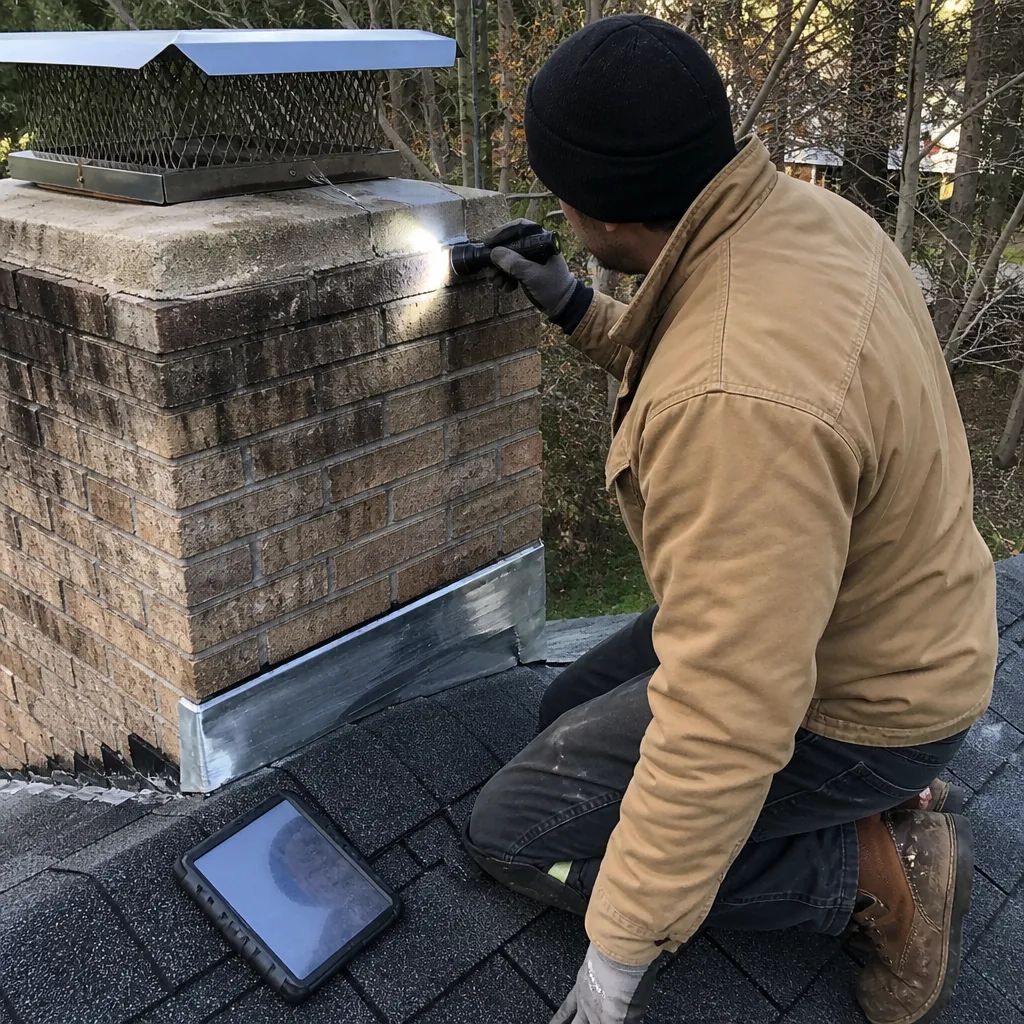
Level 1 sweep and inspection to the NFPA 211 annual standard - flue, crown, cap, and flashing checked and photographed
Chimney sweep logs do not sweep chimneys. They loosen some creosote - which then falls where a brush and vacuum still have to collect it.
DIY vs Professional Chimney Cleaning: The Cary Homeowner’s Decision Guide
You can buy the same brushes a sweep uses. What you can’t buy at a hardware store is the ability to identify a Stage 2 creosote glaze, a liner crack hidden behind the smoke shelf, or a deteriorated connector seal. None of those are visible from the firebox opening, and none of them announce themselves before the first cold night you light a fire. This guide is for Cary homeowners who want to understand exactly where the DIY line is, what it genuinely takes to sweep a chimney yourself, and when the math stops working in your favor. We’ll cover the narrow situations where DIY makes sense, the tasks that fall outside homeowner competency regardless of skill level, and a decision framework you can apply to your own chimney before the season starts.
Quick Answer
DIY chimney cleaning is reasonable only when you have a gas appliance with a documented professional baseline, or a lightly used wood burner whose liner condition has already been verified by a professional. For most Cary homeowners burning wood regularly, professional cleaning is the safer and more economical choice because the creosote stage assessment, liner inspection, and flashing evaluation that determine fire safety are not tasks a homeowner can perform with a brush and a ladder. Sweeping is the easy part; knowing what you’re looking at is the skill.
Styles & brands we work with
- Sweep & inspection
- Caps & crowns
- Flue relining
- Masonry repair
- Gas fireplace service
Table of Contents
- The Honest Case for DIY Chimney Cleaning
- The Tasks That Fall Outside DIY Competency
- What a Legitimate DIY Sweep Actually Requires
- Understanding Creosote Stages: Why the Difference Matters
- Liability and Insurance Implications of DIY Chimney Work in NC
- A Decision Framework for Cary Homeowners
- What a Professional Chimney Sweep Actually Involves
- Timing Your Decision Around Cary’s Burning Season
The Honest Case for DIY Chimney Cleaning
We’re not going to pretend there’s never a situation where cleaning your own chimney is a defensible choice. There is. It’s just narrower than most DIY guides admit. The honest case for DIY rests on three conditions, and if you don’t meet all three, the calculus shifts against you.
The first condition is a gas appliance with a documented professional baseline. Gas fireplaces produce far less creosote than wood, and the flue on a vented gas appliance typically doesn’t accumulate the same volume of combustible deposit. But the annual professional inspection still matters because gas appliances introduce their own risks (blocked vents, carbon monoxide, corrosion on the liner), and the inspection establishes a record of condition. If you have a gas fireplace that a professional has inspected and cleared, and you’re not seeing any change in how it drafts or burns, a light annual brushing may be something you can handle between professional visits.
The second condition is a low-use wood burner with a verified liner condition. “Low-use” means a handful of fires per season, dry seasoned wood, and no history of chimney fires or heavy smoke. “Verified liner condition” means a professional has actually looked at the liner with a camera and confirmed the flue is intact. If both of those are true, you’re operating from a known baseline. If either is uncertain, you aren’t.
The third condition is prior trade experience. If you’ve worked in HVAC, masonry, or general contracting, or you’ve been formally trained on chimney systems, you probably know what normal wear looks like and what doesn’t. That background matters more than the brush.
Notice what’s missing from that list: “I’ve watched a few videos and I’m handy.” Handiness isn’t the issue. The issue is whether you can see what’s wrong from the top of the flue and accurately interpret it. That’s a diagnostic skill, not a manual one.
The Tasks That Fall Outside DIY Competency
Even a homeowner who meets all three DIY conditions above is still outsourcing three specific tasks, because those tasks aren’t about effort. They’re about training, tools, and the ability to recognize subtle problems before they become expensive ones. Here’s what falls outside DIY competency regardless of skill level.
- Liner inspection. Getting a camera into the flue is the easy part. Reading what the camera shows is not. Cracks, gaps at the joints, spalling on the interior surface, and corrosion on a metal liner all require knowing what normal looks like before you can identify the abnormal. A liner that looks intact from the firebox can have a joint separation twenty feet up that you’ll never spot with a flashlight and a mirror.
- Creosote stage assessment. Creosote stages determine cleaning method and urgency. Stage 1 is a sooty dust that brushes off easily. Stage 2 is a flaky, crusty deposit that comes off with effort. Stage 3 is a glazed, hardened deposit that bonds to the flue surface and typically requires chemical treatment or, in severe cases, relining. Misidentifying a Stage 2 or Stage 3 deposit as Stage 1 is a common DIY outcome, and it means you’re lighting fires into a hazardous flue without knowing it.
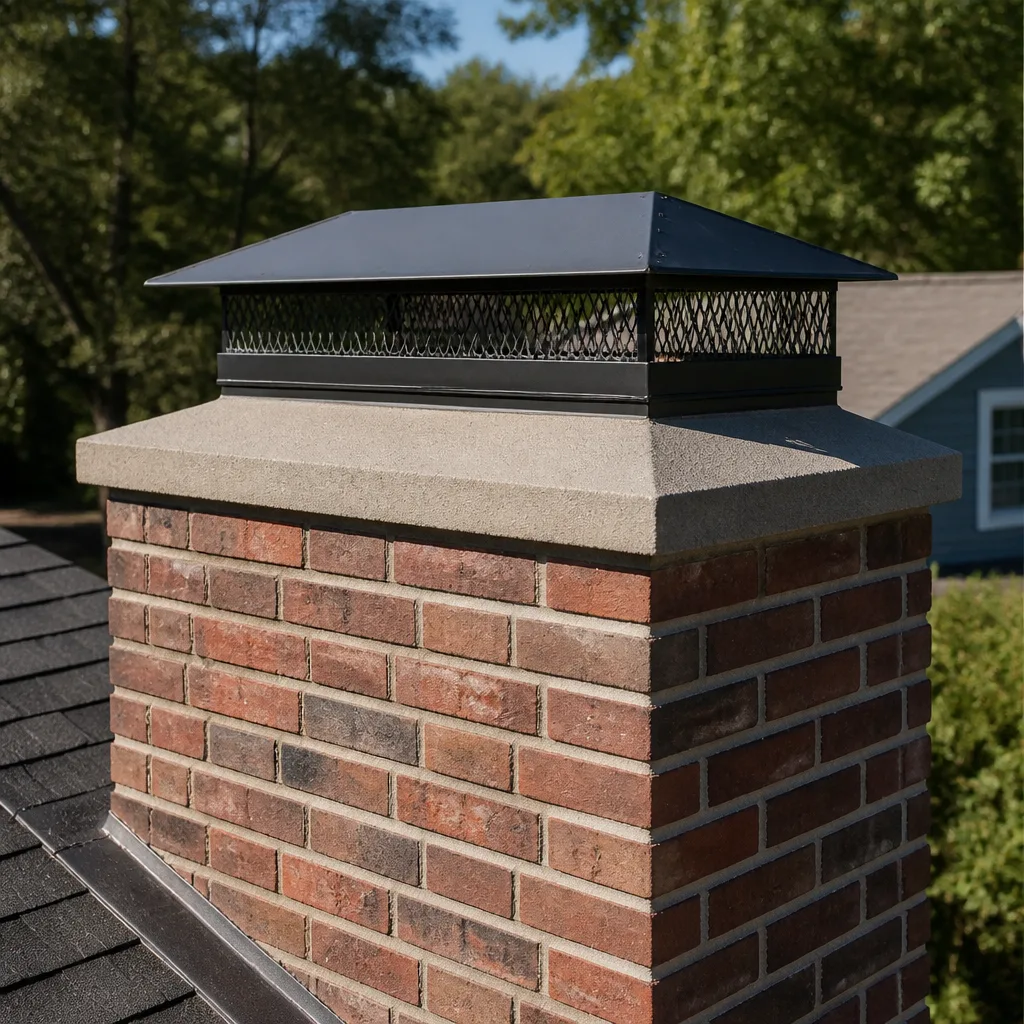
- Flashing and crown evaluation. The crown (the concrete cap at the top of the masonry chimney) and the flashing (the metal seal where the chimney meets the roof) are the first line of defense against water intrusion. Small cracks in the crown or lifted flashing will leak into the chimney structure for years before you see evidence in the firebox. Assessing both requires getting on the roof in a way that’s safe and having the eye for what a marginal crown looks like. This is where we typically see water damage that started years earlier as a hairline crack.
There are also a few “soft” tasks that fall outside DIY competency because they require judgment rather than equipment. Deciding whether a masonry crack is cosmetic or structural. Deciding whether a slightly rusted damper is still safe to operate. Knowing when a repair can wait a season and when it can’t. These are the calls that separate a sweep from a homeowner with a brush.
What a Legitimate DIY Sweep Actually Requires
Most DIY guides tell you to buy a brush kit, climb up on the roof, and run the brush down the flue. That’s not a chimney sweep. That’s a brush head reaching as far as the first obstruction. A legitimate DIY sweep requires more, and the equipment list is where the cost comparison starts to look less friendly.
- Correct brush diameter and material. The brush has to match the flue diameter and liner type. Too large a brush on a flexible liner can scratch or tear the interior surface. Too small a brush doesn’t clean the flue walls. Brush material (poly, wire, or a hybrid) depends on deposit type and liner material. A generic home-center brush is usually one size fits one, and it’s rarely the right size for your specific flue.
- Rods that extend the full flue length. Cheaper rod kits top out around fifteen feet. A typical masonry chimney on a single-story Cary home can run twenty to thirty feet. If you can’t reach the top of the flue with a rod, you’re not cleaning the flue; you’re cleaning the bottom half of it.
- A way to reach the roof safely. This is where most DIY sweeps stop being DIY. Roof pitch, roof material, and access point all determine whether it’s reasonable to be up there at all. A steep roof, a slick roof after a rain, or a roof with no safe access is a hard stop, and this is the most common reason we see DIY attempts fail.
- Drop cloths, sheeting, and a high-volume vacuum. Soot and creosote dust escape into the room no matter how careful you are. A shop vac with a HEPA filter is the minimum. A vacuum rated for fine ash is the better answer. Without proper containment, you’ll be cleaning soot off upholstery for weeks.
- Lights and a mirror, or a camera. Brushing without inspecting is guessing. You need to see the flue before and after, and most homeowners don’t have a camera setup that goes down a flue without snagging.
Add up a correctly sized brush, rod extensions long enough for your flue, containment supplies, and a vacuum rated for fine ash, and the equipment cost creeps toward what a professional sweep costs. That comparison isn’t an argument in favor of professional service; it’s just the honest math. If you already own the equipment and the roof access, the math shifts again. If you don’t, it usually doesn’t.
Understanding Creosote Stages: Why the Difference Matters
Creosote is the residue of incomplete combustion, and it accumulates in every wood-burning flue. The reason the stages matter is that each stage requires a different cleaning method, and the later stages are the ones that lead to chimney fires. A quick breakdown:
- Stage 1: Soot and light flaky deposits. Brushes off with a standard flue brush. Typically the result of regular burning with good draft and dry wood.
- Stage 2: Crusty, flaky, sometimes shiny deposits that bond more strongly to the flue surface. Requires more aggressive brushing and can still be removed with the right equipment.
- Stage 3: Glazed, hardened, tar-like deposits that bond to the flue surface and don’t come off with a brush. This is the stage most closely associated with chimney fire risk, and removal usually requires chemical treatment or relining.
Here’s the practical problem: the stage isn’t visible from the firebox. A flue can carry a Stage 2 or Stage 3 deposit ten or twenty feet up, and the fire will burn normally until it doesn’t. Sweeping without a proper assessment is like painting over water damage; the surface looks better, but the problem is still there. When we sweep a chimney, the flue camera is what tells us which stage we’re looking at, and the recommendation follows from the assessment, not the other way around. That’s also why we document what we find and share the camera images, so you’re not taking our word for it.
If you’re doing DIY sweeping and you’ve never had a professional flue camera inspection, you don’t actually know what stage your creosote is in. You know what came off the brush. Those aren’t the same thing.
Liability and Insurance Implications of DIY Chimney Work in NC
This is the section most DIY guides skip, and it’s the one that most changes the calculus for homeowners we talk to in Cary. If a chimney fire happens and there’s no professional inspection on record, the insurance conversation gets more complicated than most homeowners expect.
Most homeowner policies require the property to be maintained in a reasonably safe condition. “Reasonably safe” for a chimney generally means professional inspection and cleaning at the frequency recommended for the appliance type and burn volume. If a fire occurs and the insurer’s investigation finds no documented sweep or inspection, the claim can be reduced or denied. We’re not saying that will happen; the outcome depends on the specific policy, the loss, and the adjuster. But the phrase “no record of maintenance” is one no homeowner wants in their claim file.
There’s also the structural side. Chimney fires often damage the liner before they damage anything else, and the damage can be invisible from the firebox. If a fire happens after a DIY sweep, the first question will be whether the DIY sweep removed enough creosote or missed a defect. Having a professional record showing the condition of your chimney before the event changes that conversation entirely.
One clarification that’s worth making: we don’t tell homeowners what their policy covers, and we don’t work directly with insurers to file claims. What we do is document every inspection and sweep so there’s a record. If a claim ever happens, that record exists.
For North Carolina specifically, the general expectation is annual inspection for wood-burning appliances and cleaning as needed based on deposit accumulation. Gas appliances typically need inspection less often, but the “as needed” threshold is determined by the professional assessment, not by how the fire looks when it’s burning.
If you’re selling or buying a home in Cary, this becomes especially relevant. A pre-sale or pre-purchase inspection record is often a condition of closing, and a homeowner who’s been sweeping DIY for years won’t have that record. That’s when chimney repair issues surface during a transaction instead of during a normal maintenance cycle, which is never the cheaper route.
A Decision Framework for Cary Homeowners
Three questions. Answer them honestly and the path usually becomes clear. If any answer is uncertain, treat it as a signal to book a professional assessment.
Question 1: What are you burning, and how often?
Wood-burning fireplaces and wood stoves accumulate creosote faster than gas, and frequency matters more than any other variable. A fireplace used a few times a month through the winter is a much lower creosote load than a wood stove running as a primary heat source. If you’re burning wood more than a couple of times a week through the season, the deposit load is high enough that DIY sweeping without professional assessment is not a good bet. If it’s occasional fires with dry seasoned wood and a clean draft, you’re in the lighter category.
Question 2: When was the last time a professional looked at your flue with a camera?
If the answer is “within the last year or two,” you have a baseline. If the answer is “never” or “we’ve owned the house for years and never had it done,” you don’t have a baseline, and DIY sweeping is being done blind. The camera is what makes the baseline; without it, you’re guessing at conditions. For a house in Cary or anywhere in the Triangle, the practical path is one professional inspection to establish the baseline, then decide whether DIY is reasonable for subsequent cleanings.
Question 3: Do you have safe roof access and the right equipment?
If you’re not comfortable on the roof, or you don’t own properly sized brushes and rods that reach the top of the flue, DIY isn’t in the cards regardless of how the other two questions answer. Roof access is the most common blocker we see. A steep pitch or a slick roof in winter is a genuine safety issue, and no amount of equipment solves it. We never recommend that a homeowner get on a roof they’re not comfortable on, and we’d much rather you call than take that risk.
Add up the answers. Three confident, informed answers pointing to DIY means it may be reasonable, with a professional inspection every couple of years. Anything else means professional service is the right call, and probably cheaper over a few seasons once equipment costs are counted.
What a Professional Chimney Sweep Actually Involves
A professional sweep at your Cary home is not a brush and a ladder. It’s a documented process, and knowing what to expect makes the comparison with DIY clearer. Here’s the sequence we follow.
- Setup and containment. Drop cloths under the firebox, a high-volume vacuum rated for fine ash, and careful attention to sealing the opening. The room should look the same when we leave as when we arrived.
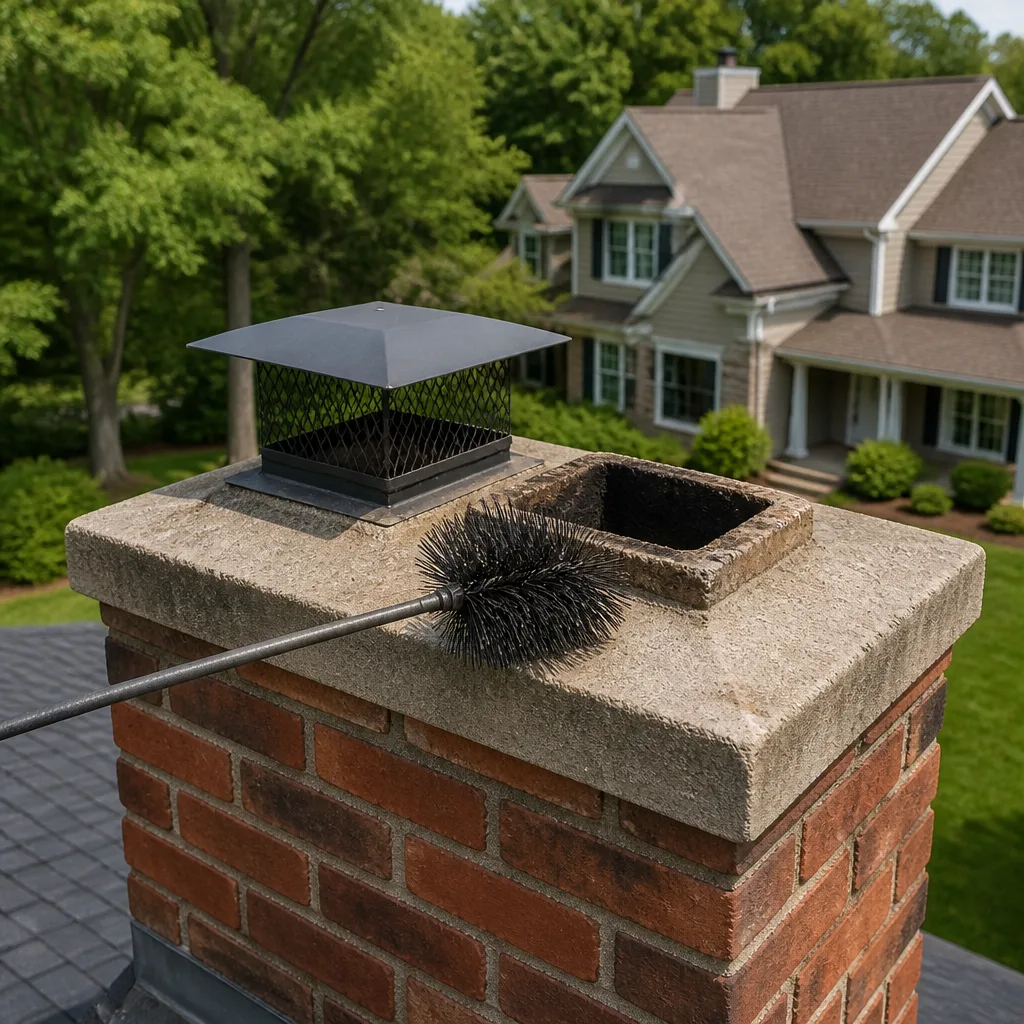
- Sweep the flue with correctly sized equipment. Brush diameter and material matched to your flue type. Rods long enough to reach the top. The sweep removes deposit from the flue walls, but that’s the easy part of the visit.
- Camera inspection of the flue and the firebox. The camera looks at what the brush can’t. Liner integrity, joint seals, creosote stage, and any obstruction or offset in the flue. This is the part that tells us what needs to happen next.
- Evaluation of the crown, flashing, cap, and damper. The exterior components matter as much as the interior. Cracks in the crown, lifted flashing, a degraded cap, or a damper that no longer seals are all things we check, because water intrusion and lost draft are just as costly as creosote.
- Documentation. We photograph what we find and walk you through it. Nothing is recommended that we can’t show you. If the report says a repair or relining is needed, you see why. If the chimney is in good condition and a repair can wait a season, we say that too.
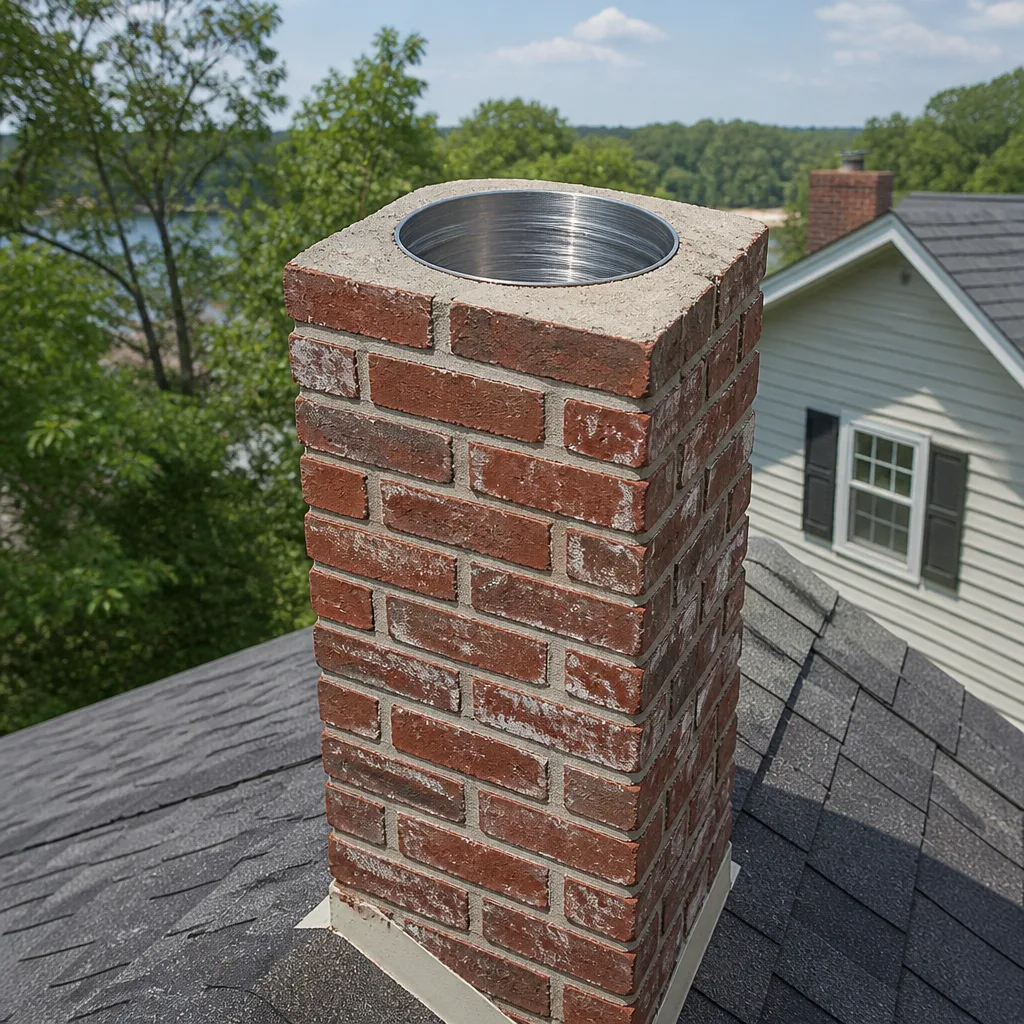
The chimney sweep visit is the maintenance visit; the repair visit is a different scope. If the inspection finds structural issues (cracked crown, damaged liner, failing flashing), we’re equipped to handle the repair as well, with materials matched to the job: DuraFlex flexible liner systems for relining, HeatShield resurfacing for flue restoration where demolition isn’t necessary, and caps and components sourced from Copperfield, Gelco, Olympia Chimney, and Famco. The point is that a homeowner calling a specialist doesn’t get handed a referral list halfway through. The work happens, the documentation happens, and the homeowner gets one clear answer.
Our technicians have up to 9 years of experience, and every job they do is a chimney job. We don’t do gutters, siding, or HVAC. We don’t want to. That focus is why the assessment is thorough and why the recommendations are specific.
Timing Your Decision Around Cary’s Burning Season
Most homeowners call in the fall, right when the first cold night hits and they decide to light a fire. That’s understandable, and it’s also the busiest time to schedule. The better timing is late summer or early fall, before the first fire of the season, when there’s room in the schedule for a thorough visit and time to complete any repairs that come out of it.
Cary’s climate matters here. The Triangle gets warm, humid summers, then swings into cool nights quickly. The humidity is why we look closely at crowns and flashing, because the freeze-thaw cycle in winter can widen cracks that developed during the wetter months. A hairline crack in a chimney crown that looked harmless in July can become a real water intrusion issue after a couple of winter cycles. Getting the inspection in before the cold settles in gives you a chance to address it before it snowballs.
The seasonal frame also matters for planning. If you decide to book a professional sweep, late summer and early fall give you leverage: if the inspection finds creosote at Stage 2 or Stage 3, or a liner problem, there’s time to schedule the repair before the burning season, rather than racing to get it done in December. If you decide DIY is the right path for you, the pre-season window is also when a professional baseline inspection makes the most sense, so you have a documented condition to compare against next year.
Common Mistakes to Avoid
- Buying a generic brush kit and calling it a sweep. The brush diameter has to match the flue, and the rod has to reach the top. A brush that’s the wrong size either doesn’t clean the flue walls or scratches the liner. Most home-center kits are sized for a specific flue type, and yours may not be it.
- Skipping the camera and assuming the brush tells you everything. Brush resistance tells you something, but it doesn’t tell you the creosote stage, the liner condition, or whether there’s a crack behind the smoke shelf. The camera is what turns a brush clean into an actual assessment.
- Climbing on a roof that isn’t safe to be on. This is the biggest one for Cary homeowners. A steep pitch, wet shingles, or a roof with no safe access is a hard stop. No amount of equipment makes a risky roof safe.
- Confusing “no visible creosote in the firebox” with a clean flue. Creosote accumulates where the flue is hottest and where the gasses slow down, which is usually higher up. A firebox that looks clean is not an indicator of a clean flue.
- Burning unseasoned wood to speed up the process. Wet wood produces more creosote, not less. If you’re burning green wood, you’re adding to the deposit load with every fire, and the diy decision gets harder to defend. Seasoned wood, proper airflow, and a hot fire are the basics.
- Ignoring a smoke smell or draft change. A draft that used to be fine and now smokes back, or a smell in the room when the fireplace isn’t lit, usually means something changed in the flue. That’s a professional diagnostic question, not a brush question.
- Treating a DIY sweep as documentation. A DIY sweep has no record attached, which is exactly the situation that concerns insurers after a chimney fire. An inspection report does.
See the difference
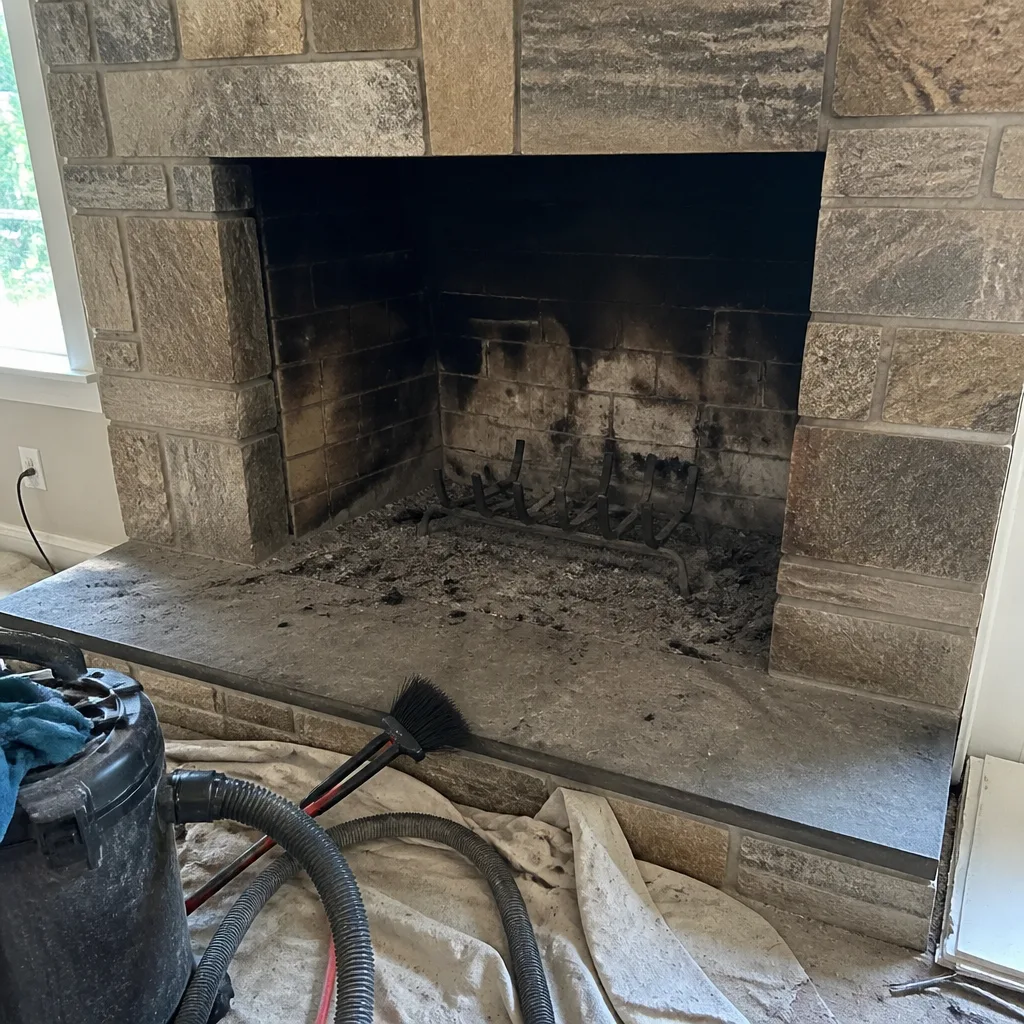 Before
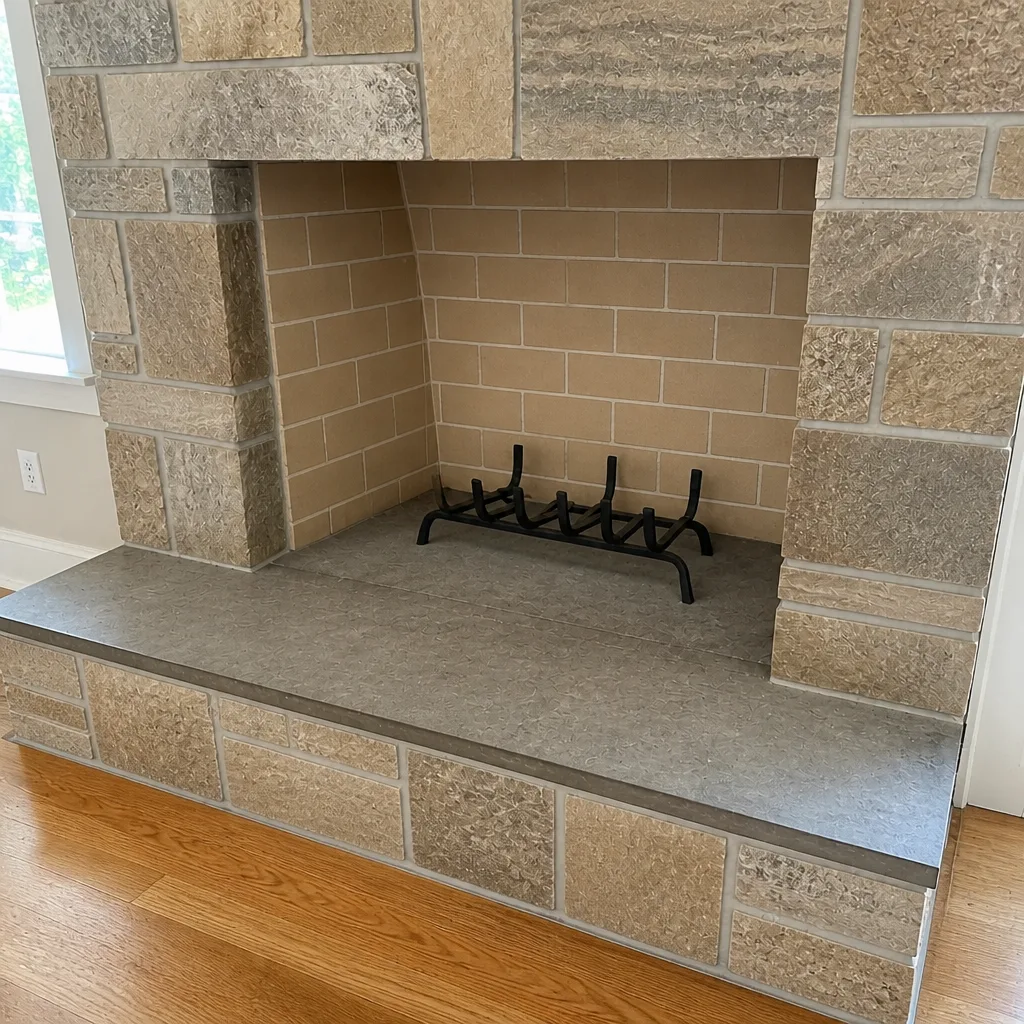 After
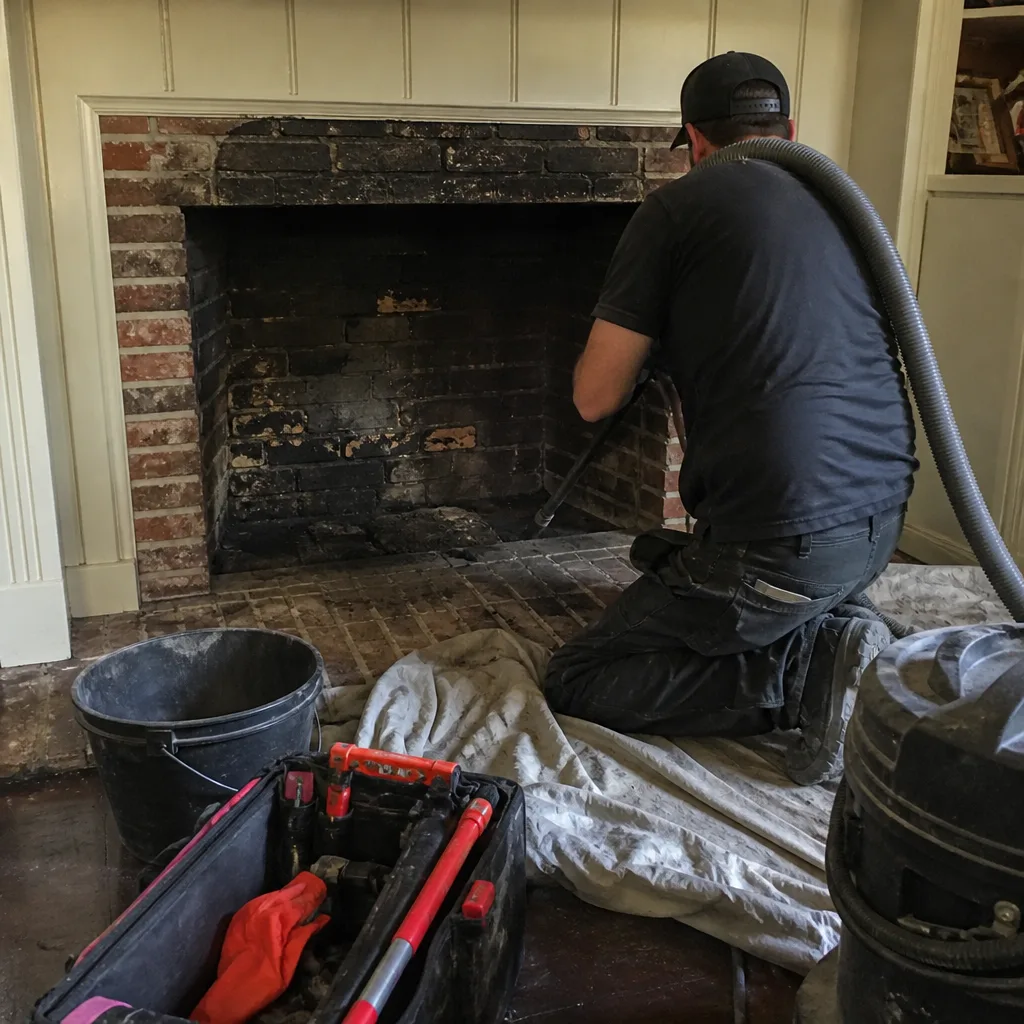 Before
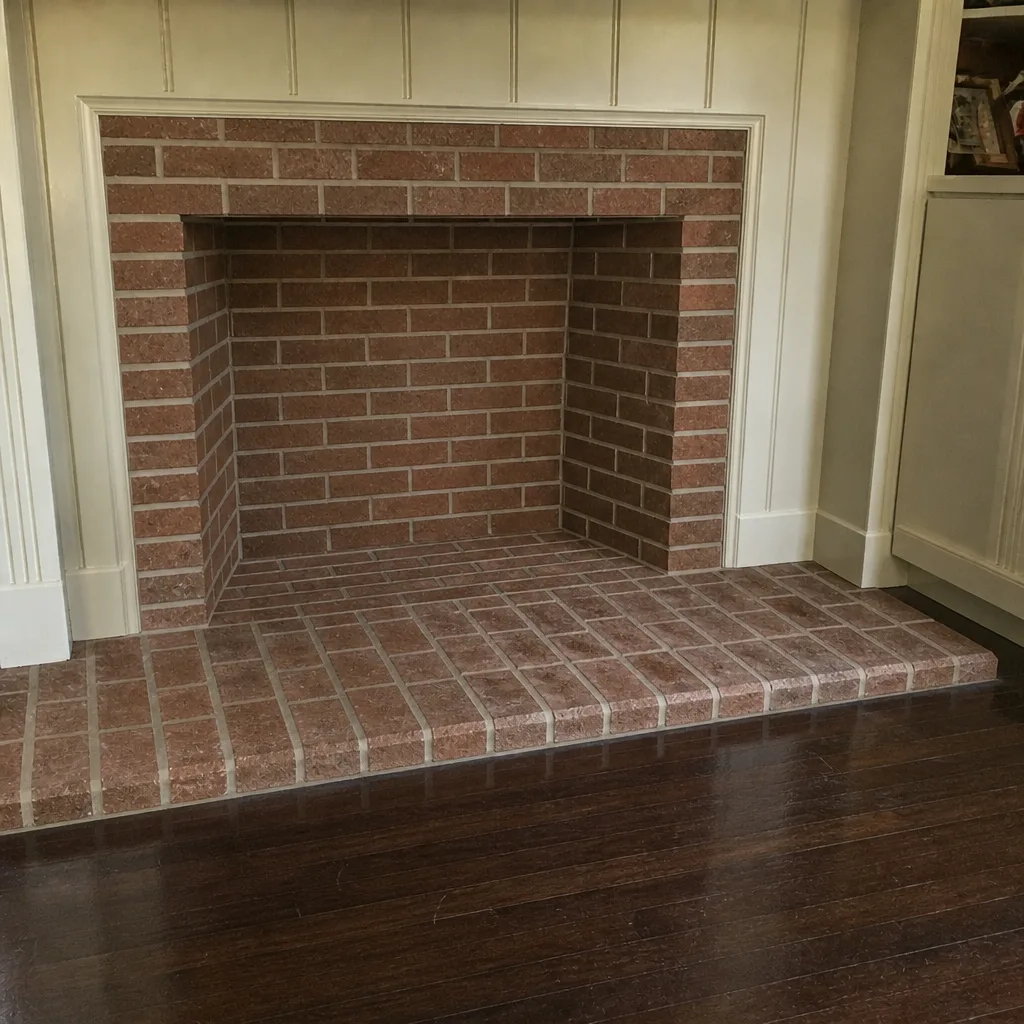 After
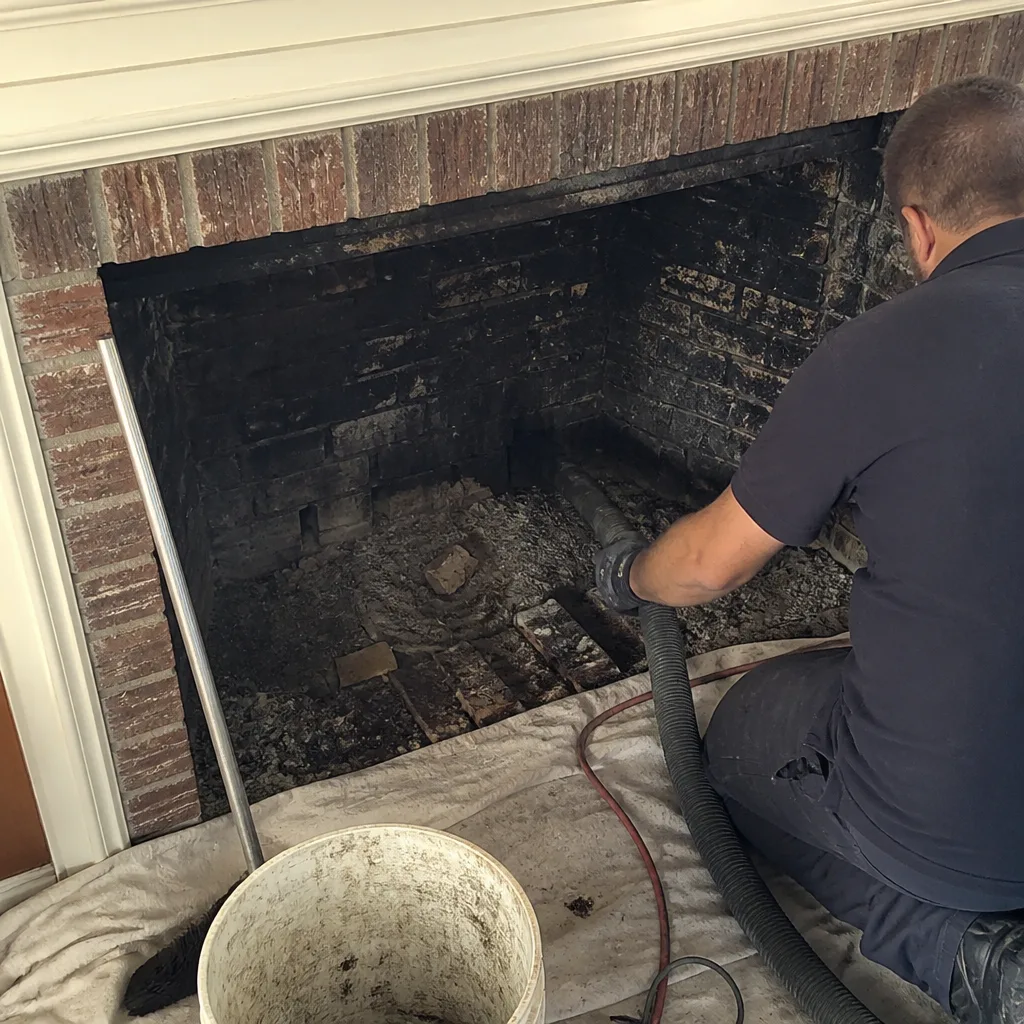 Before
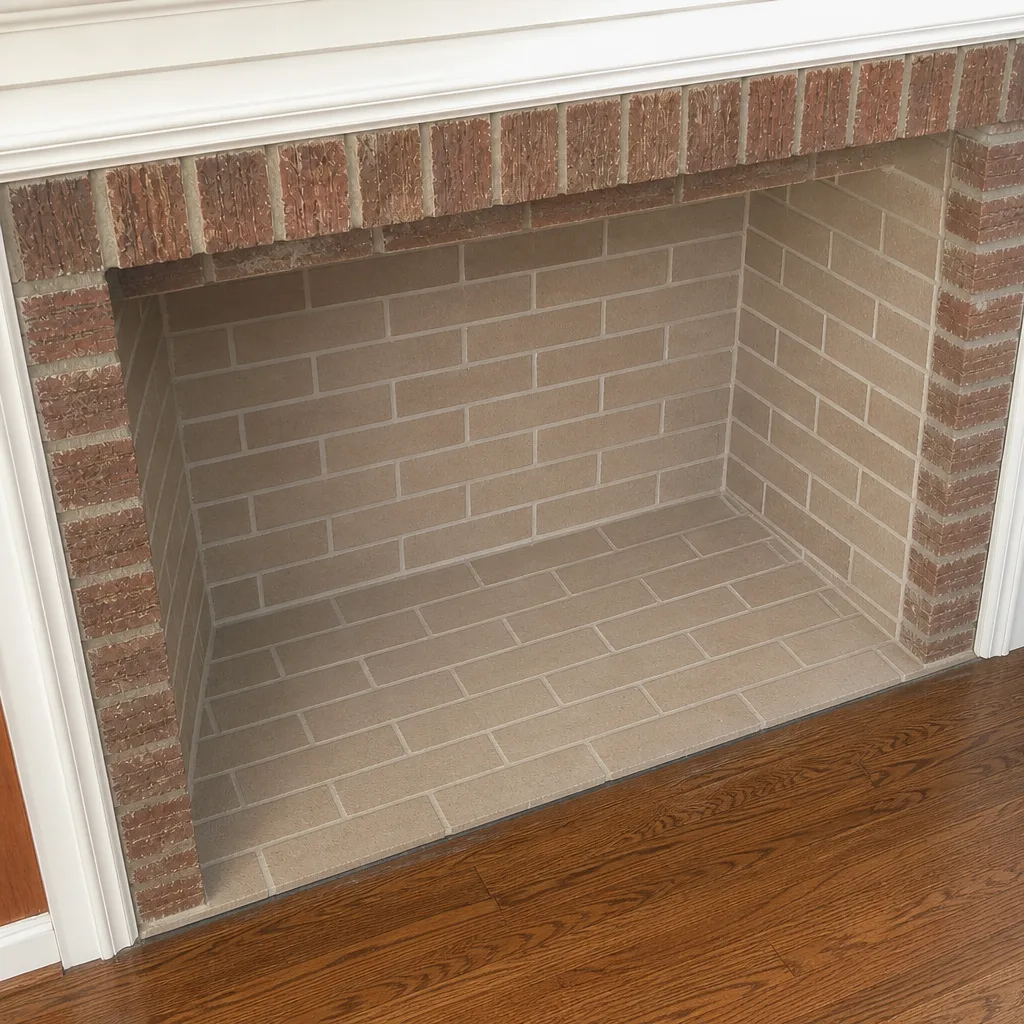 After
When to Call a Professional
The clearest professional triggers are structural. If your chimney has never been camera-inspected, if you’re burning wood regularly and haven’t had a professional visit in over a year, if you’ve seen any sign of a chimney fire (popping sounds, damaged damper, puffy or honeycomb-like creosote in the flue), or if you’ve noticed water intrusion around the chimney, those are calls to make before the season starts. The same is true for a home purchase or sale, where a documented inspection is worth having on record regardless of your DIY confidence.
Chimney Sweep Cary offers free estimates in Cary. Call (833) 519-6077 and we’ll get an assessment on the schedule. We answer 24/7. Fast dispatch from 7am to 7pm, Sunday through Friday. If the chimney is fine, we’ll tell you. If it’s not, we’ll show you what we found on camera and give you a written recommendation before any work happens.
For a broader look at the full Chimney Sweep Cary service picture and our other Cary work, we cover both on the main pages. The important part is the first step: get an honest assessment of your chimney’s current condition, and let the recommendation follow from what’s actually there.
Frequently Asked Questions
A standard sweep is typically in the lower-to-middle part of the range for a residential service visit, and pricing depends on the appliance type, flue configuration, and whether any inspection findings mean additional work. The written estimate sets the final price, and we give you that before anything starts. Estimates are free. Call (833) 519-6077 for an exact quote.
You can, but “careful” only covers the brushing. The parts that determine fire safety (creosote stage assessment, liner integrity, flashing and crown evaluation) require diagnostic training and camera equipment, and those are not things carefulness substitutes for. If you have a gas appliance with a recent professional baseline, or a lightly used wood burner with a verified liner, DIY brushing between professional visits is reasonable. For most Cary homes burning wood regularly, it’s not.
For a wood-burning fireplace or stove used regularly, annual inspection with cleaning as needed is the general standard. Gas appliances are typically inspected less often, but the threshold is set by a professional assessment, not a universal schedule. The practical rule is: before the first fire of the season, have someone qualified look at the flue.
Creosote continues to accumulate, and the stage progresses from flaky toward glazed. A Stage 3 glaze is a known fire hazard, and once it forms it can’t be brushed off. The risk isn’t that something bad happens immediately; it’s that the deposit load gets to a point where the cleaning method changes and the cost goes up. Skipping one year isn’t automatically a crisis, but skipping several is a different decision.
You need a new liner when the camera shows a failed liner: cracks, gaps at the joints, or deterioration severe enough that hot gasses can reach the surrounding structure. You don’t need one when the liner is intact. The safeguard is documentation. If a repair recommendation comes without camera evidence you can see yourself, get a second opinion. We document what we find on camera and show it, and we tell you when a repair can safely wait.
Yes, in most cases. Cleaning removes deposit; inspection assesses condition. A flue can be clean and still have a developing crack or a crown issue that wasn’t apparent twelve months ago. The annual inspection is how you catch those before they become bigger problems. If your last visit included a full camera inspection and your burning habits haven’t changed, the assessment may be quick, but it should still happen before the season.
The Bottom Line
DIY chimney cleaning is not inherently irresponsible. It’s a reasonable choice for a specific, narrow set of homeowners: gas appliance with a professional baseline, or low-use wood burner with a verified liner condition, plus safe roof access and properly sized equipment. Outside those conditions, the sweeping you can do is the easy part and the diagnostic work that determines safety doesn’t happen. For most Cary homeowners, the right path is a professional inspection to establish a baseline, an annual sweep timed before the first fire of the season, and camera documentation that turns recommendations into evidence. If you’d like that assessment, call (833) 519-6077. The estimate is free, and we’ll tell you what we actually find.
Written by the team at Chimney Sweep Cary.