
Last updated November 16, 2026
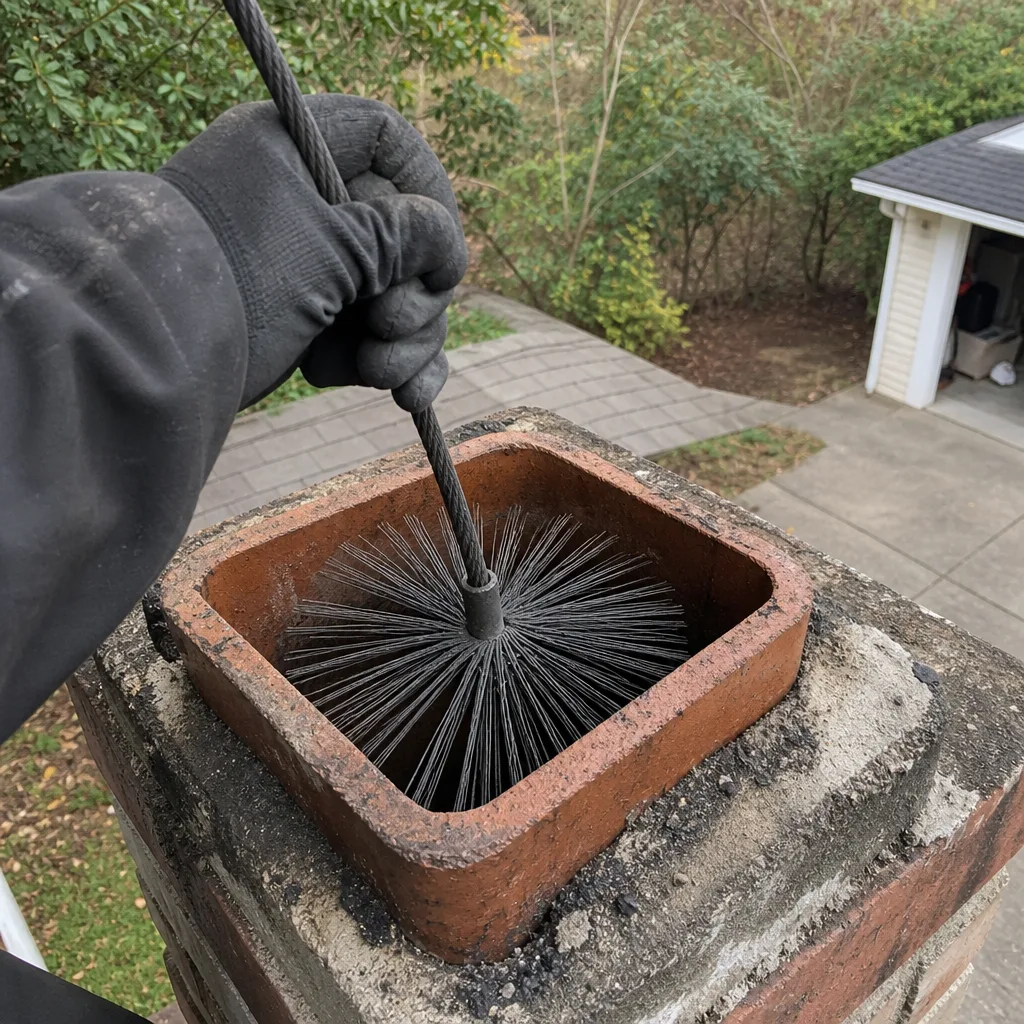
 Sweep & inspection
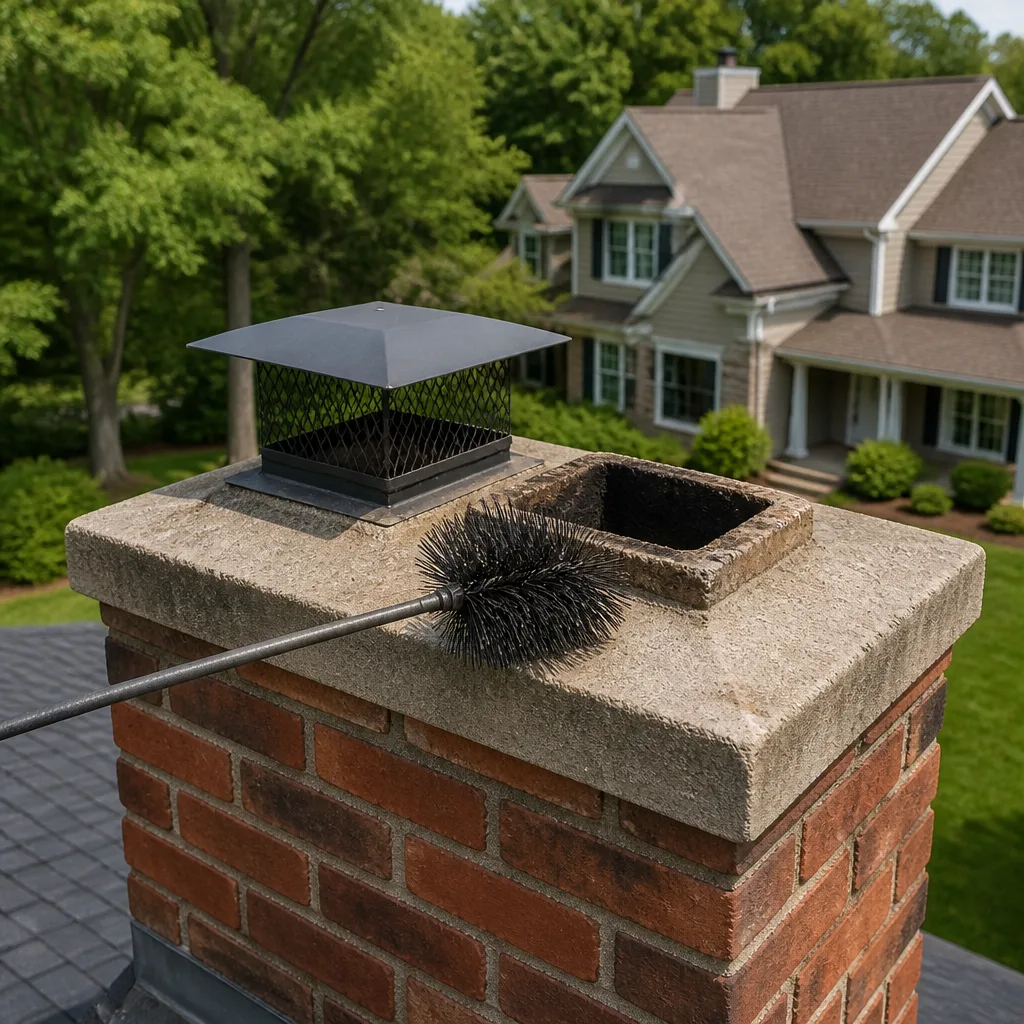
 Caps & crowns
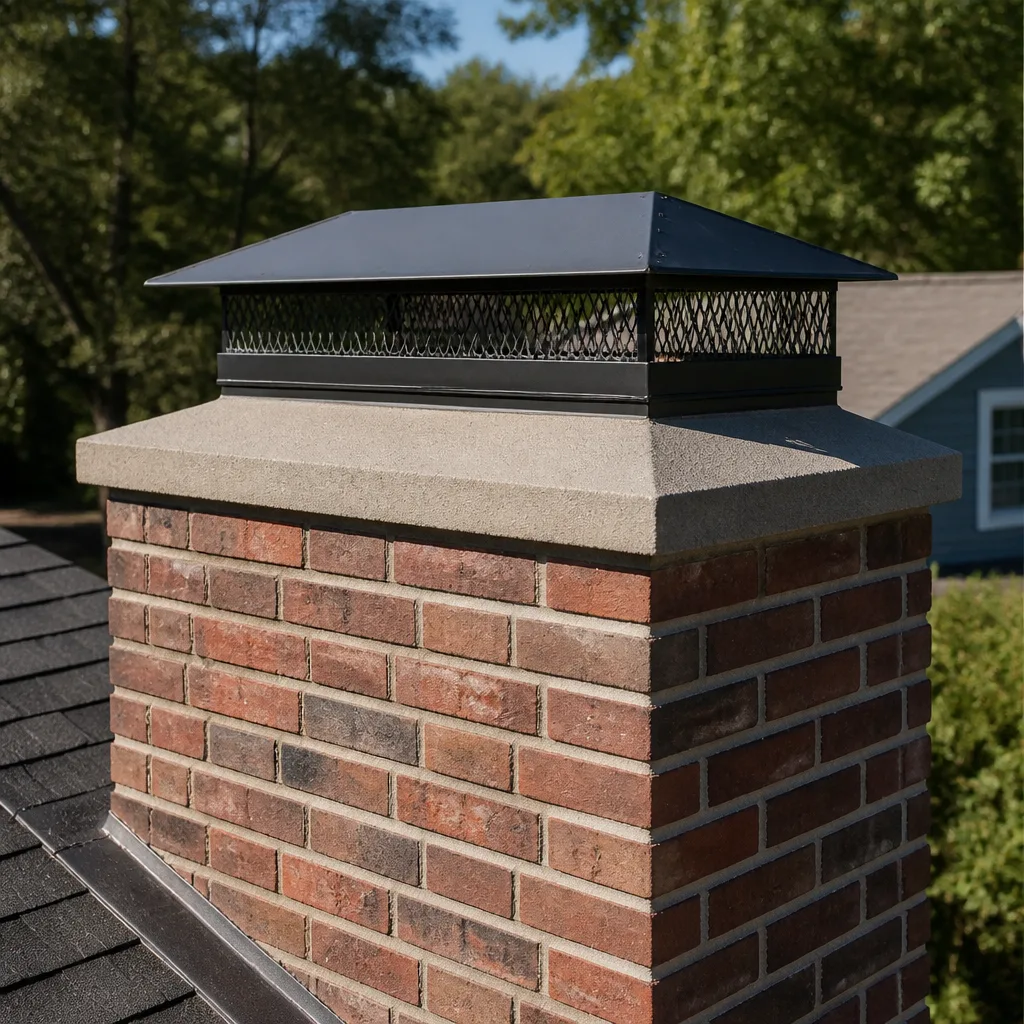
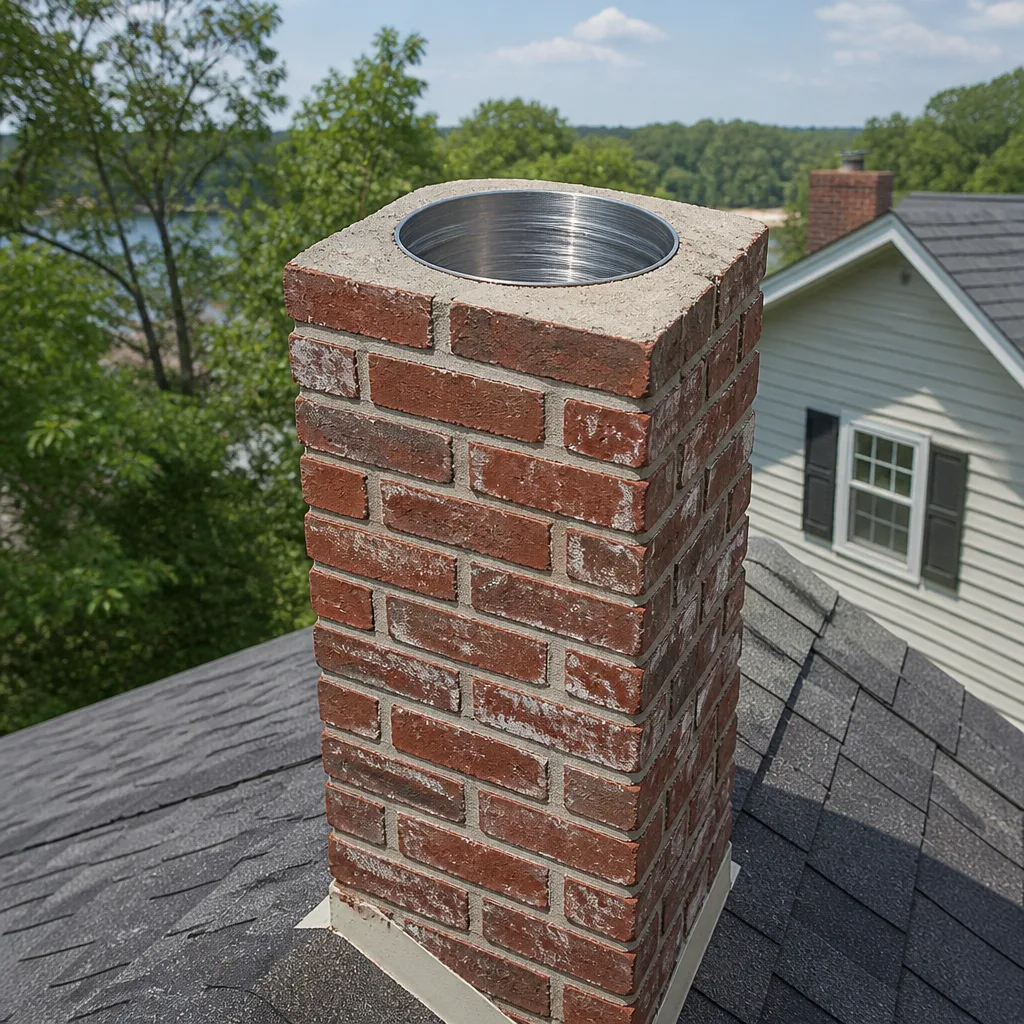 Flue relining
 Masonry repair
 Gas fireplace service
Level 1 sweep and inspection to the NFPA 211 annual standard - flue, crown, cap, and flashing checked and photographed
Chimney sweep logs do not sweep chimneys. They loosen some creosote - which then falls where a brush and vacuum still have to collect it.
Chimney Sweep Maintenance Schedule: What to Do and When
Most chimney advice you’ll find online reduces to four words: sweep once a year. That guidance was written for a wood-burning fireplace that gets lit regularly through the cold months, and it’s a fine starting point for exactly that household. But it doesn’t describe what a maintenance schedule actually looks like in practice. A gas insert you run a handful of evenings a year needs a different rhythm than a wood stove you feed daily from November to February. An older home with a clay tile liner ages on a different track than a newer build with a factory-built firebox. Add Cary‘s mix of humid summers, freeze-thaw swings in January, and long stretches of spring rain, and the calendar shifts again. This guide lays out a practical, month-by-month schedule for Cary homeowners, broken down by fuel type, so you know what to do and when to do it.
Quick Answer
Most wood-burning fireplaces and stoves in Cary should be swept and inspected once a year, ideally in late summer or early fall before the first fire of the season. Gas logs and gas inserts typically need an annual inspection but a sweep only every few years depending on use, while pellet stoves need more frequent attention. The right schedule depends on how much you burn, what you burn, and the age of your chimney.
Styles & brands we work with
- Sweep & inspection
- Caps & crowns
- Flue relining
- Masonry repair
- Gas fireplace service
Table of Contents
- Why “Once a Year” Isn’t a Complete Schedule
- The Cary Chimney Calendar: Month by Month
- Maintenance Schedules by Fuel Type
- What to Do Between Professional Visits
- Clay Tile Liners vs. Factory-Built Fireplaces
- What Gets Skipped When Maintenance Is Deferred
- Chimney Maintenance for Buyers and Sellers
- When to Call a Professional
- Frequently Asked Questions
Why “Once a Year” Isn’t a Complete Schedule
The annual sweep is a floor, not a ceiling. It tells you the minimum a wood-burning chimney needs, but it says nothing about timing within the year, nothing about the tasks that happen between sweeps, and nothing about how your specific fuel type or chimney construction changes the interval. A maintenance schedule is really a sequence: inspection before the season, cleaning when creosote has built up, a structural check when winter moisture has had its way, and small homeowner tasks in between that catch problems early.
In our experience, the homeowners who avoid costly repairs aren’t the ones who sweep most often. They’re the ones who look at the chimney at the right moments. In Cary, that means paying attention before the first fire of fall, and again in early spring when the damage from a wet winter becomes visible. A chimney that looks fine in October can show efflorescence, cracked mortar, or a loose cap by March. Those signals don’t announce themselves; you have to know where to look and when.
There’s also the question of what you’re burning. Creosote, the tar-like residue that accumulates in flue walls, forms at different rates depending on fuel, moisture content, and how hot the fire runs. A smoldering fire in a damp-log fireplace builds creosote faster than a hot, well-ventilated burn. That’s why the schedule for a household burning seasoned hardwood several times a week is not the same as the schedule for a gas insert that runs twice a month.
What follows is the calendar we’d hand a Cary homeowner who asked us to map out the year: what to do in which month, how to adjust for fuel type, and how to spot the difference between normal wear and something that needs a technician. For a baseline on how a professional chimney sweep fits into the year, that’s covered too.
The Cary Chimney Calendar: Month by Month
A year-round view is the single most useful thing a homeowner can have. Here’s how we’d map the calendar for a typical wood-burning household in Cary, with notes for homes that run gas or pellet appliances.
- September: pre-season inspection and sweep. This is the ideal window before the first fire of the season. The chimney has had all summer to dry out, and any creosote, soot, or debris that built up last winter can be cleared before it becomes a problem. An inspection now catches cracked flue tiles, a failing damper, or a bird nest before you light the first log.
- October through February: the burning season. Keep an eye on draft quality, smoke spillage, and how the fire behaves. If smoke rolls into the room instead of going up, stop using the fireplace and have it looked at. Watch the cap and the crown for signs of damage after storms. No professional visit is expected in this window unless something looks wrong.
- March: post-season check. Once the fireplace is mostly idle, this is when winter moisture damage becomes visible. Look for efflorescence (a white, chalky stain on exterior masonry), cracked mortar joints, rust on the firebox or damper, or a cap that’s shifted. Most of the structural problems we see in Cary show up in March, not in the fall.
- April through May: repair window. If the March check turned up liner cracks, masonry damage, or a worn crown, this is the time to schedule chimney repair. Spring and early summer give the materials time to cure and settle before the next burning season, and the schedule is generally easier to book.
- June through August: deep inspection and prep. If it’s been a few years since a formal inspection, this is the window. A camera inspection and photo report now give you time to plan any work before fall. This is also the season to check that the cap is secure and the crown isn’t holding water.
- Any month: between-visit checks. After a storm, look at the cap and crown. Before the first fire of the season, check the damper. If you see efflorescence or crumbling mortar on the exterior, note it for the next professional visit.
The rhythm is deliberate: inspect before burning, clean when creosote has accumulated, repair when the weather allows, and watch the exterior in between. For a household in Cary that runs the fireplace most evenings from November through February, the annual sweep in September is the anchor point. For a household that burns a few times a month, the inspection is still annual, but the sweep can often stretch.
Maintenance Schedules by Fuel Type
This is where the generic advice breaks down. A wood-burning fireplace, a gas log set, a gas insert, and a pellet stove each have their own maintenance rhythm, and treating them the same leads either to unnecessary work or to skipped tasks that matter. Here’s how we’d lay each one out.
Wood-Burning Fireplaces and Stoves
- Sweep: annually if you burn regularly, which in Cary often means most evenings from November through February. If you burn only a handful of fires a season, the inspection is still annual but the sweep can often be every couple of years, depending on how much creosote accumulates.
- Inspection: annually, before the season. A camera inspection every few years is worth the time, especially in older Cary homes with clay tile liners.
- Priority: creosote buildup and flue integrity. Creosote is the primary fire risk in a wood-burning chimney, and the flue lining is what keeps heat away from the framing.
Gas Logs
- Sweep: less often than wood, since gas logs don’t produce creosote. A sweep every two to three years is typical, or when you notice soot or debris buildup.
- Inspection: annually. Gas appliances need a check on the venting, the burner, and the connections. Carbon monoxide is the concern with gas, and a venting problem is the thing to catch early.
- Priority: venting integrity and the condition of the gas connections. A venting issue in a gas fireplace doesn’t announce itself with smoke the way a wood fire does.
Gas Inserts
- Sweep: every few years, similar to gas logs. An insert that runs often and produces visible soot may need more frequent attention.
- Inspection: annually. Inserts are often installed into existing chimneys, so the liner is the critical piece. If the insert was installed without a properly sized liner, the flue can run cold and vent poorly, which is a situation worth catching.
- Priority: liner condition and venting. A gas insert’s liner is doing the same job a wood-burning flue does, just with less creosote risk.
Pellet Stoves
- Sweep: more often than wood, sometimes twice a season depending on use. Pellet stoves produce ash and fly ash that settle in the flue, and the venting can clog more quickly than a wood chimney.
- Inspection: annually, plus a check of the venting after each season.
- Priority: fly ash accumulation and vent obstruction. A clogged pellet stove vent is a real safety issue, and it’s the maintenance task most often skipped.
The pattern: wood needs the most attention to creosote, gas needs the most attention to venting and carbon monoxide, and pellet needs the most frequent cleaning. The annual inspection is the one task that applies to every fuel type, which is why it anchors the schedule for every Cary household regardless of what they burn.
What to Do Between Professional Visits
A professional visit is a snapshot. The months in between are where small problems either get caught early or grow. None of these tasks require climbing on the roof or opening up the firebox beyond what’s safe. They’re things a homeowner can do with a flashlight and a pair of eyes.
- Check the cap after storms. Cary gets its share of summer thunderstorms and the occasional ice event in winter. A cap that’s been knocked loose or shifted lets water and animals into the flue. Look at it from the ground with binoculars if you can’t see it clearly. If it’s visibly off or damaged, call before the next fire.
- Watch for efflorescence on the exterior. White, chalky staining on the outside of the chimney is a sign that moisture is moving through the masonry. It’s not always an emergency, but it’s a signal that the crown or the flashing needs a look. Note where it appears and mention it at the next visit.
- Check the damper seal before the first fire. With the fireplace cold and clean, open and close the damper a few times. It should move smoothly and sit flush when closed. A damper that’s stuck open or won’t seal lets heat out of the house and cold air in.
- Look at the firebox for cracks. Small hairline cracks in the firebox mortar are common and not always a problem, but a crack that’s wide enough to catch a fingernail or that runs through a brick is worth a professional look before you burn again.
- Keep the area around the fireplace clear. This isn’t a structural task, but it’s the one that prevents the most common accidents. Combustibles near the hearth, a fire screen that’s been pushed aside, or creosote buildup in a firebox that hasn’t been cleaned are all avoidable risks.
- Note any change in draft. If the fireplace used to light easily and now smokes into the room, or if the draft feels weaker than it used to, note it. Draft changes often point to a blockage or a liner issue, and catching them early is cheaper than catching them late.
Between visits, the goal is awareness, not maintenance work. If something looks wrong, the answer is a professional look, not a homeowner repair. The chimney is one of the parts of a house where the cost of getting it wrong is high enough that a professional opinion is worth the call.
Clay Tile Liners vs. Factory-Built Fireplaces
The age and construction of the chimney itself changes the maintenance schedule as much as the fuel type does. Cary has a wide range of housing stock, from older homes with masonry chimneys and clay tile liners to newer construction with factory-built fireplaces and metal flue systems. Each has its own failure pattern and its own maintenance priorities.
Older Homes with Clay Tile Liners
Clay tile liners were the standard for decades, and many Cary homes still have them. They work well when they’re intact, but they have a known weakness: the mortar joints between the tiles. Over time, moisture and heat cycling can crack the mortar, and a cracked joint lets heat reach the surrounding masonry and framing. The tiles themselves can also crack from a chimney fire or from settling.
For a clay tile liner, the inspection is the critical task. A camera inspection every few years is the way to catch a cracked joint before it becomes a structural problem. If the liner is failing, a flexible stainless liner is often the solution, and that’s where a product like DuraFlex comes in. It relines the flue without demolishing the chimney, and it gives you a continuous, code-compliant flue surface instead of a series of tiles with mortar joints. The annual sweep keeps creosote off the liner surface, and the inspection confirms the liner is still doing its job.
Newer Homes with Factory-Built Fireplaces
Factory-built fireplaces are common in newer Cary construction. They have a metal firebox and a metal flue, and they’re designed to be maintenance-light compared to masonry. But “maintenance-light” doesn’t mean no maintenance. The flue still accumulates creosote if you burn wood, and the metal components can corrode over time, especially if water gets in through a failed cap or flashing.
For a factory-built fireplace, the annual sweep and inspection still apply, but the priorities shift toward the cap, the flashing, and the condition of the metal flue. A factory-built unit that’s been neglected often shows rust in the firebox or a flue that’s lost its seal. If the flue is compromised, a reline or a replacement may be the answer, and that’s a decision worth making with a professional who works with these systems regularly.
In both cases, the maintenance schedule is built around the same principle: know what kind of chimney you have, and time your inspection to the failure pattern that construction is prone to. That’s as true in Cary as anywhere, and it’s the difference between a schedule that fits your house and one that’s copied from a generic checklist.
What Gets Skipped When Maintenance Is Deferred
Deferred maintenance doesn’t announce itself. The chimney keeps working, the fire still lights, and nothing looks obviously wrong. What happens instead is a quiet sequence of deterioration, and each stage costs more to fix than the one before it. Here’s what actually gets skipped when the schedule slips, and what happens as a result.
- One missed season leads to heavier creosote. A single year of regular burning without a sweep can take creosote from a light, flaky stage to a denser, tar-like stage. The light stage sweeps off easily with standard brushes. The denser stage often requires a different removal method, which means more time and more cost.
- Two or three missed seasons can move creosote into the glaze stage. Glazed creosote is hard, shiny, and bonded to the flue surface. It’s the most difficult stage to remove, and it’s the stage most associated with chimney fire risk. At that point, the conversation shifts from cleaning to relining.
- A missed inspection lets a cracked liner go unnoticed. A hairline crack in a clay tile or a factory-built flue can let heat reach the framing. The crack doesn’t change how the fire burns, so there’s no obvious signal. It’s caught by inspection or not at all.
- A missed cap check lets water in. Water is the slow destroyer of masonry chimneys. It gets into the crown, the flashing, and the masonry, and it freezes and expands in winter. By the time efflorescence appears on the exterior, the moisture has usually been moving for a while.
- A missed damper check wastes heat and lets cold air in. A damper that doesn’t seal is an energy problem and a comfort problem, and it’s the kind of thing that gets put off because it doesn’t feel urgent.
None of this is meant to alarm. It’s just how chimneys age when the maintenance schedule slips. The good news is that catching the sequence early is exactly what the annual schedule is designed to do. A September inspection catches the creosote before it glazes. A March check catches the water damage before it reaches the framing. The schedule exists to keep each stage from becoming the next.
Chimney Maintenance for Buyers and Sellers
If you’re buying or selling a home in Cary, the chimney deserves a spot on the inspection list alongside the roof and the HVAC. A pre-purchase chimney inspection tells you what you’re actually buying, and a pre-sale inspection lets you address a problem before it becomes a negotiation point. Here’s how the schedule shifts for a transaction.
- Buyers: include a chimney inspection in your due diligence. A camera inspection and photo report give you a clear picture of the liner, the firebox, and the venting. If the report shows a failing liner or damaged masonry, you have the information to negotiate or to plan the repair.
- Sellers: a pre-sale sweep and inspection is often the simplest way to avoid surprises. If something turns up, you can address it before it derails a closing, and a documented sweep is a straightforward answer to a buyer’s questions.
- Both: ask for a written report with photos. A verbal summary is easy to misinterpret on either side of a transaction. A documented inspection is something both parties can look at and discuss.
The same principle applies whether you’re buying, selling, or staying put for another decade: know the condition of the chimney, and time the inspection to the transaction or the season, whichever comes first. In Cary, where the housing stock spans several decades of construction, the chimney is one of the details that can be easy to overlook and expensive to discover later.
See the difference
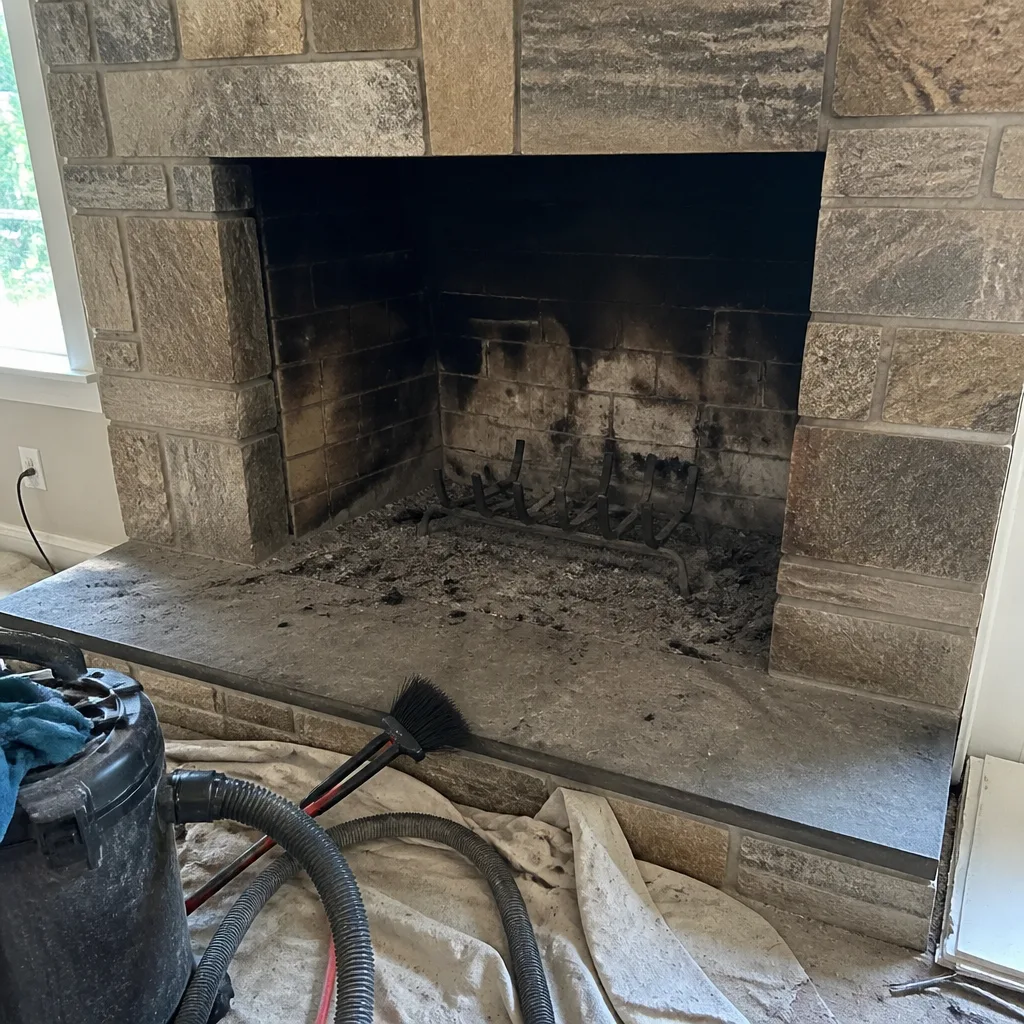 Before
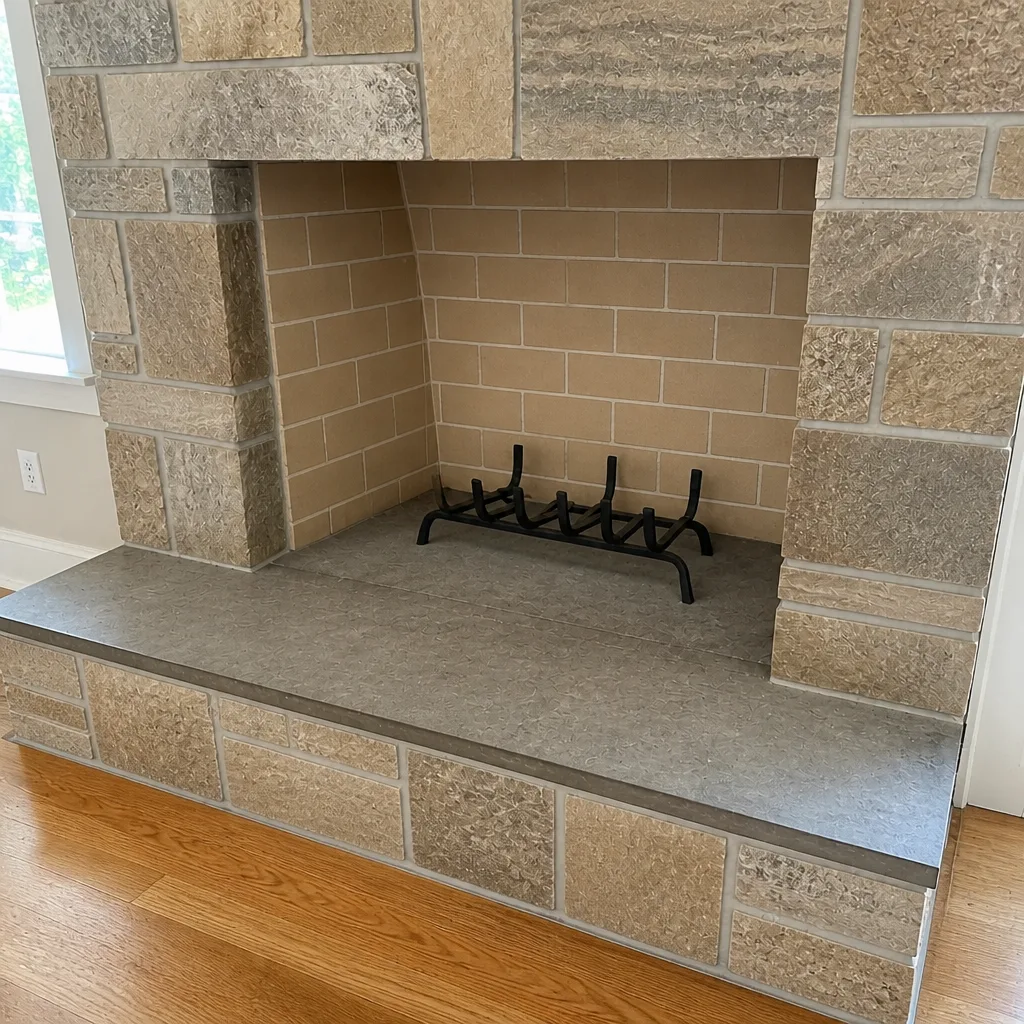 After
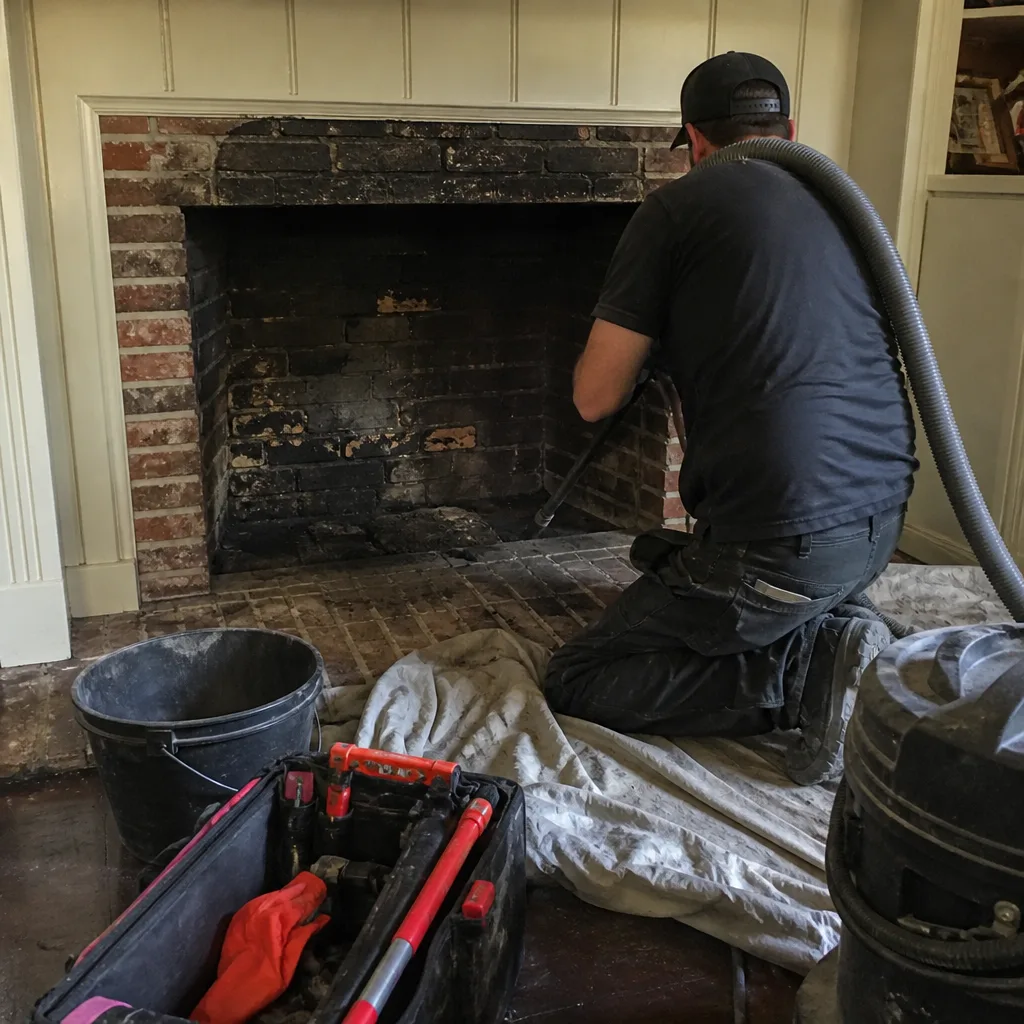 Before
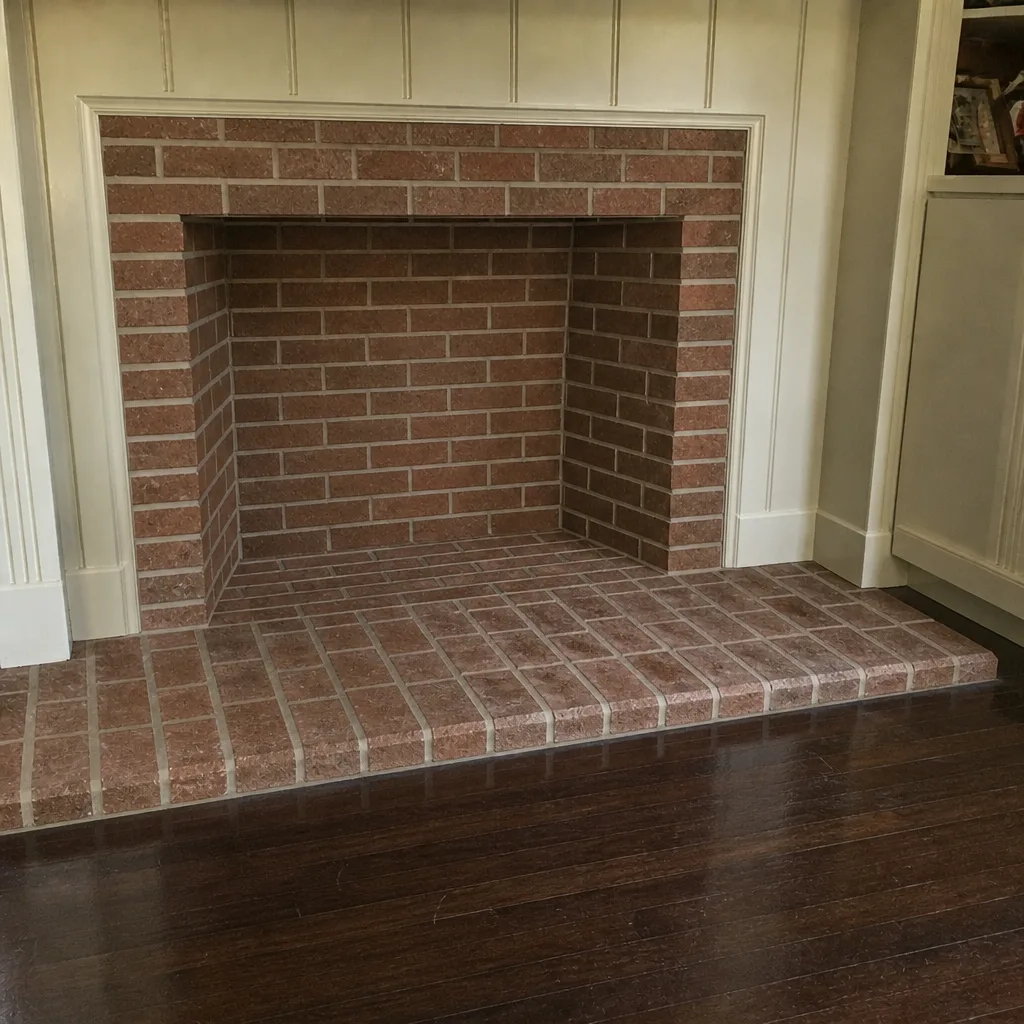 After
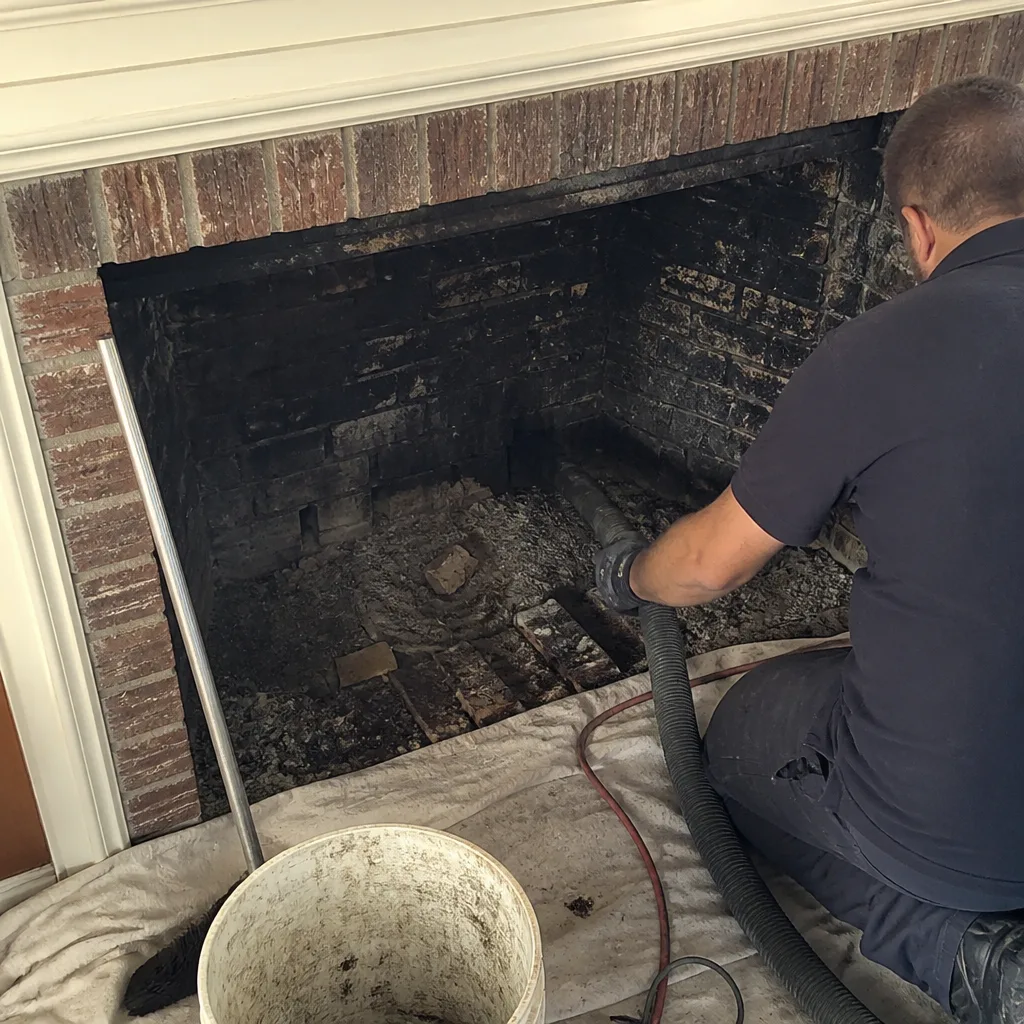 Before
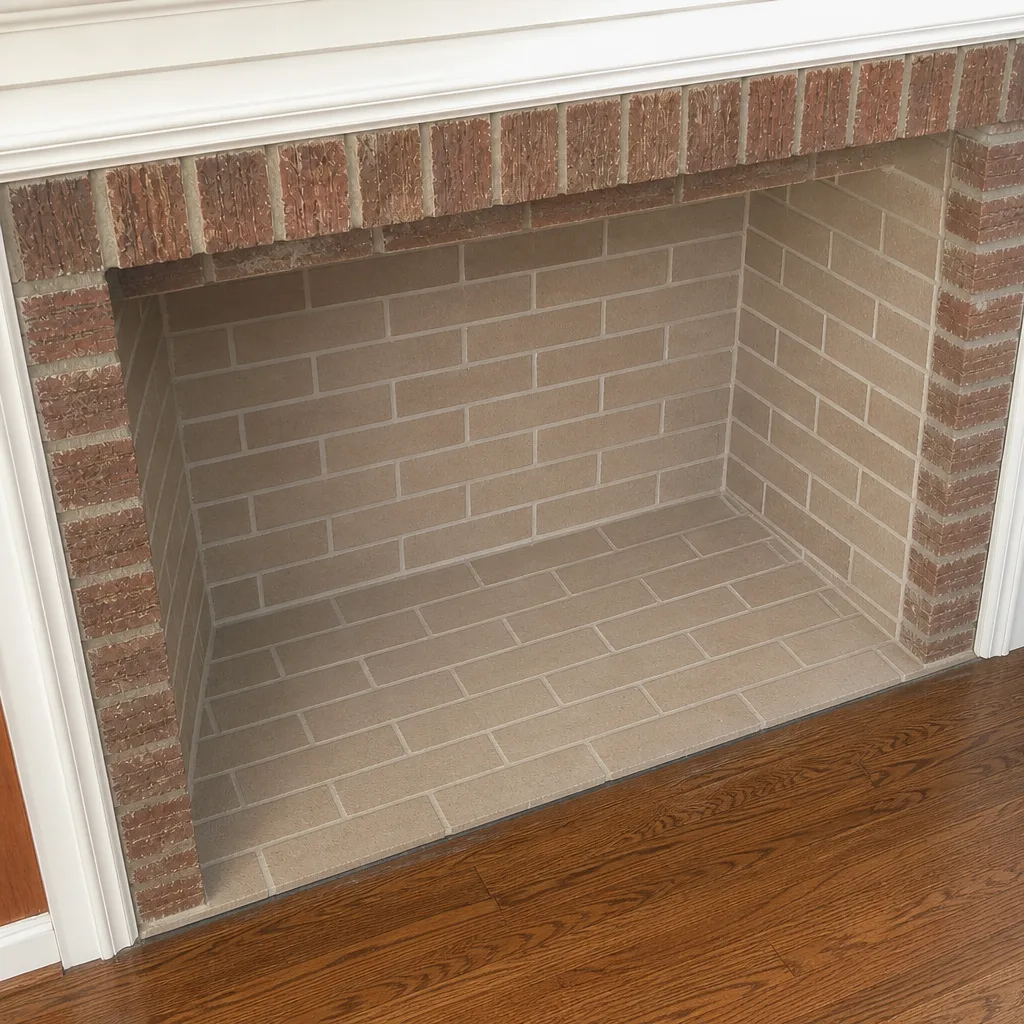 After
Common Mistakes to Avoid
- Treating the annual sweep as a substitute for an inspection. The sweep cleans the flue, and the inspection tells you whether the flue is sound. They’re different tasks, and skipping the inspection leaves the structural questions unanswered.
- Waiting until December to schedule a sweep. The September window is when the chimney has dried out and the schedule is easiest to book. Waiting until the first cold snap means competing with every other household in Cary that decided to light a fire.
- Assuming a gas insert doesn’t need maintenance. Gas appliances don’t produce creosote, but they do have venting and carbon monoxide risks. The annual inspection still applies.
- Ignoring efflorescence on the exterior. White staining on the masonry isn’t cosmetic. It’s a sign that moisture is moving through the chimney, and it’s worth a look before it becomes a structural issue.
- Burning unseasoned wood. Damp wood produces more creosote than seasoned wood. Keep your firewood covered and let it dry before burning.
- Skipping the post-season check in March. Winter moisture damage becomes visible in early spring. The March check catches it before it has a summer to settle in.
- Letting a generalist handle chimney work. A handyman or HVAC company that treats chimney work as a side service may not have the product lines or the training for liner and resurfacing work. A specialist with the right materials on hand is the better fit when the job moves beyond a basic sweep.
When to Call a Professional
Some tasks belong in the homeowner’s hands: checking the cap, watching for efflorescence, noting a change in draft. Others belong with a professional, and the line between them is fairly clear. Call a professional if you see smoke rolling into the room instead of going up the flue, if the firebox has a crack wider than a hairline, if the damper won’t close, if the cap is damaged, or if efflorescence is spreading on the exterior. Call before the season if it’s been more than a year since your last sweep or inspection, and call before the first fire in a home you’ve just bought. If the job is a liner installation or masonry work, a specialist with the right product lines is the right call.
We handle sweeps, repairs, and inspections, and we document what we find with photos so you can see the condition of your own chimney rather than take our word for it. Our technicians have up to 9 years of experience, and we work with industry-grade product lines like HeatShield, Gelco, and Olympia Chimney because the materials matter on repair work. Chimney Sweep Cary offers free estimates in Cary. Call (833) 519-6077. We answer 24/7. Fast dispatch from 7am to 7pm, Sunday through Friday.
Frequently Asked Questions
Most wood-burning fireplaces and stoves in Cary should be swept once a year, ideally in September before the first fire of the season. If you burn only a few fires a month, the sweep can sometimes stretch to every couple of years, but the annual inspection still applies. Call (833) 519-6077 for an exact quote; estimates are free.
A gas fireplace doesn’t need an annual sweep the way a wood-burning one does, but it does need an annual inspection. Gas appliances have venting and carbon monoxide concerns that a sweep alone won’t address, so the inspection is the more important task. Call (833) 519-6077 to schedule one; estimates are free.
Skipping a year usually means heavier creosote in the flue and a longer gap between inspections, which is when small issues grow into structural ones. One missed season typically moves creosote from an easy stage to remove into a denser stage that takes more work. The cost of catching up is almost always more than the cost of the annual visit. Call (833) 519-6077 for an exact quote; estimates are free.
You can handle basic upkeep, but a full sweep and inspection should be done by a professional because the inspection is what catches the structural issues a sweep alone won’t find. The flue, liner, and firebox all need to be looked at by someone who knows what normal wear looks like. Call (833) 519-6077 to book a professional visit; estimates are free.
September is the best window for a pre-season sweep and inspection before the first fire, and March is the best window for a post-season check that catches winter moisture damage. Spring and early summer are the easiest time to schedule any repair work. Call (833) 519-6077 for an exact quote; estimates are free.
The cost depends on the work involved, and we set the price per job with a written estimate so you know what you’re paying before we start. A basic sweep and an inspection are not the same task, and a repair is priced separately. Call (833) 519-6077 for an exact quote; estimates are free.
The Bottom Line
The annual sweep is a starting point, not the whole schedule. A real maintenance calendar for a Cary home runs on a season: inspect before the first fire in September, watch the chimney through the burning months, check for moisture damage in March, and handle repairs in the spring and summer. The schedule also has to match the fuel type and the chimney construction, since a wood-burning masonry chimney with a clay tile liner has different priorities than a gas insert in a newer home. Keep the between-visit checks going, and the annual visit will keep catching problems while they’re still small.
If you’re ready to put your chimney on a schedule, or if it’s been more than a year since the last visit, we can help. Chimney Sweep Cary offers free estimates in Cary. Call (833) 519-6077. We answer 24/7. Fast dispatch from 7am to 7pm, Sunday through Friday. You can also learn more about our Chimney Sweep Cary services and what we cover across Cary.
Written by the team at Chimney Sweep Cary.