
Last updated November 16, 2026
 Sweep & inspection
 Caps & crowns
 Flue relining
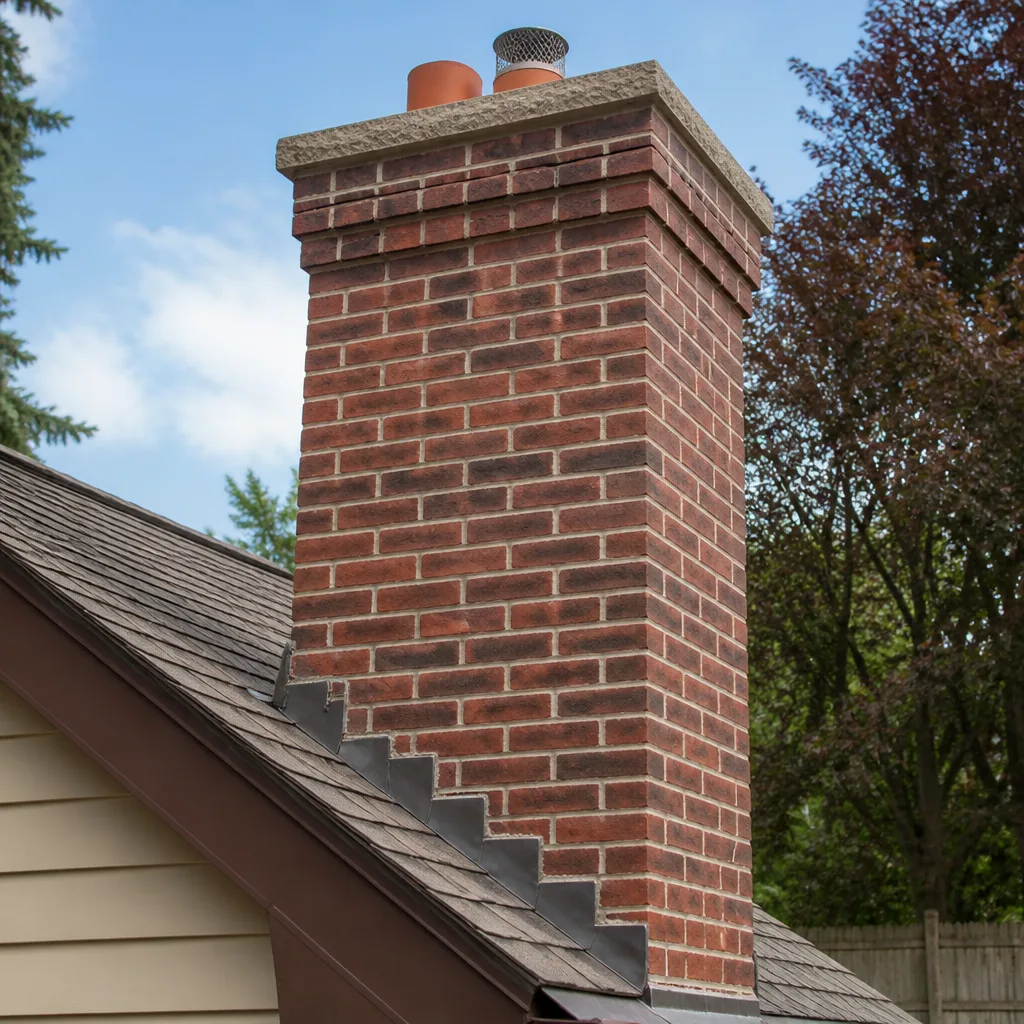 Masonry repair
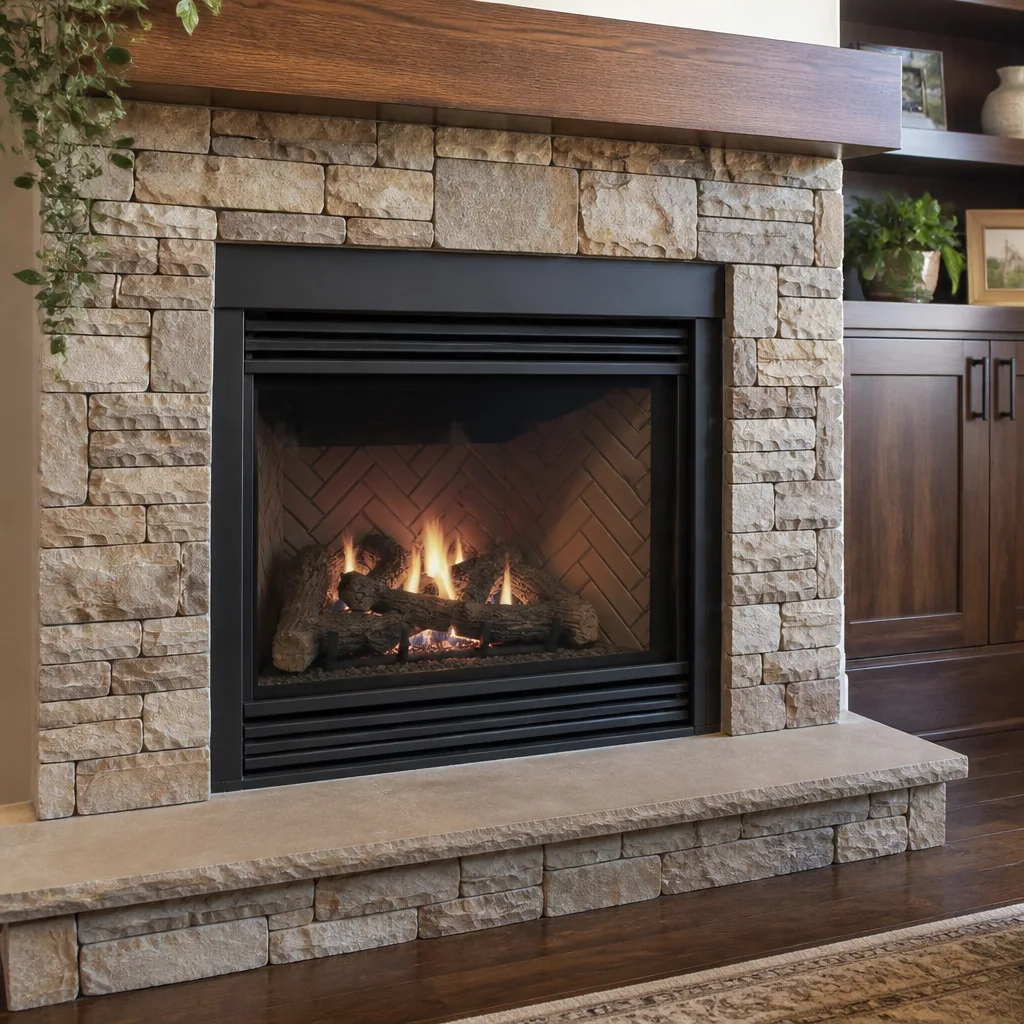 Gas fireplace service
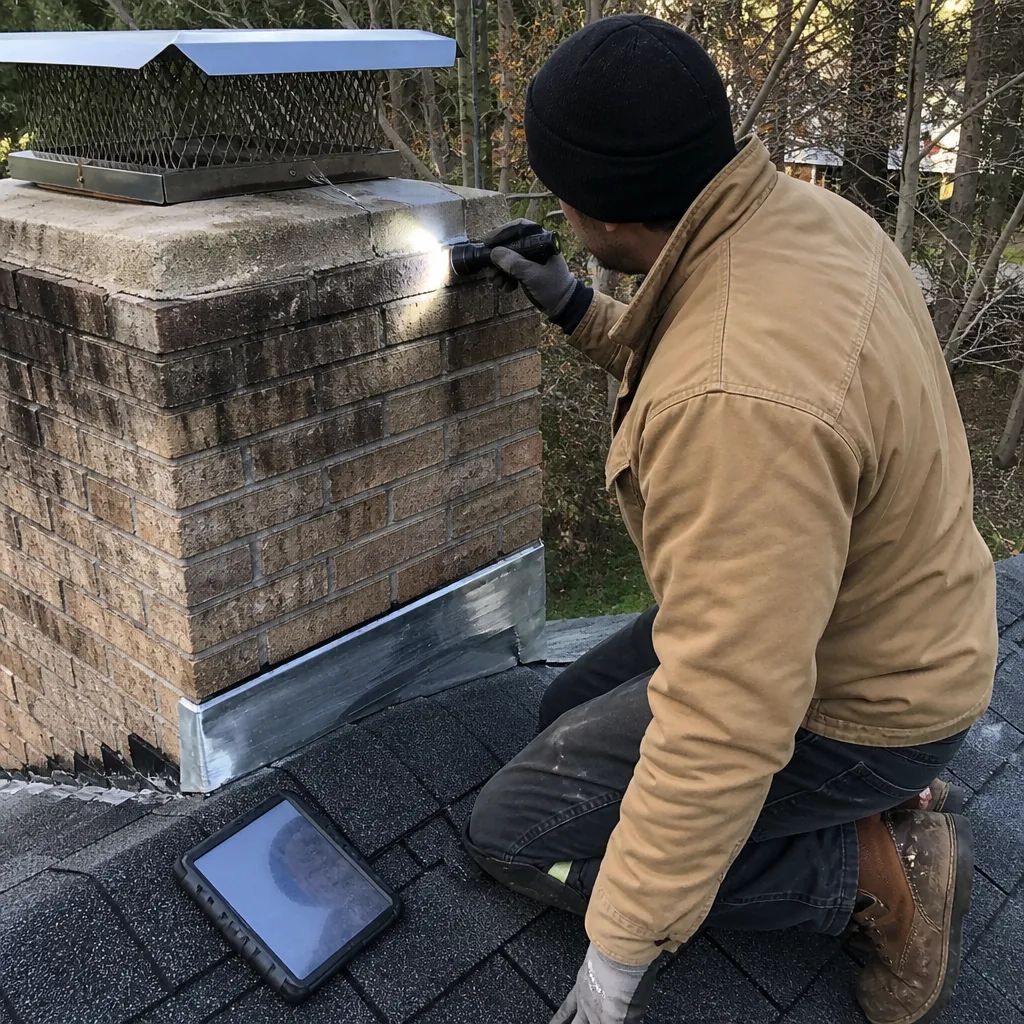
Level 1 sweep and inspection to the NFPA 211 annual standard - flue, crown, cap, and flashing checked and photographed
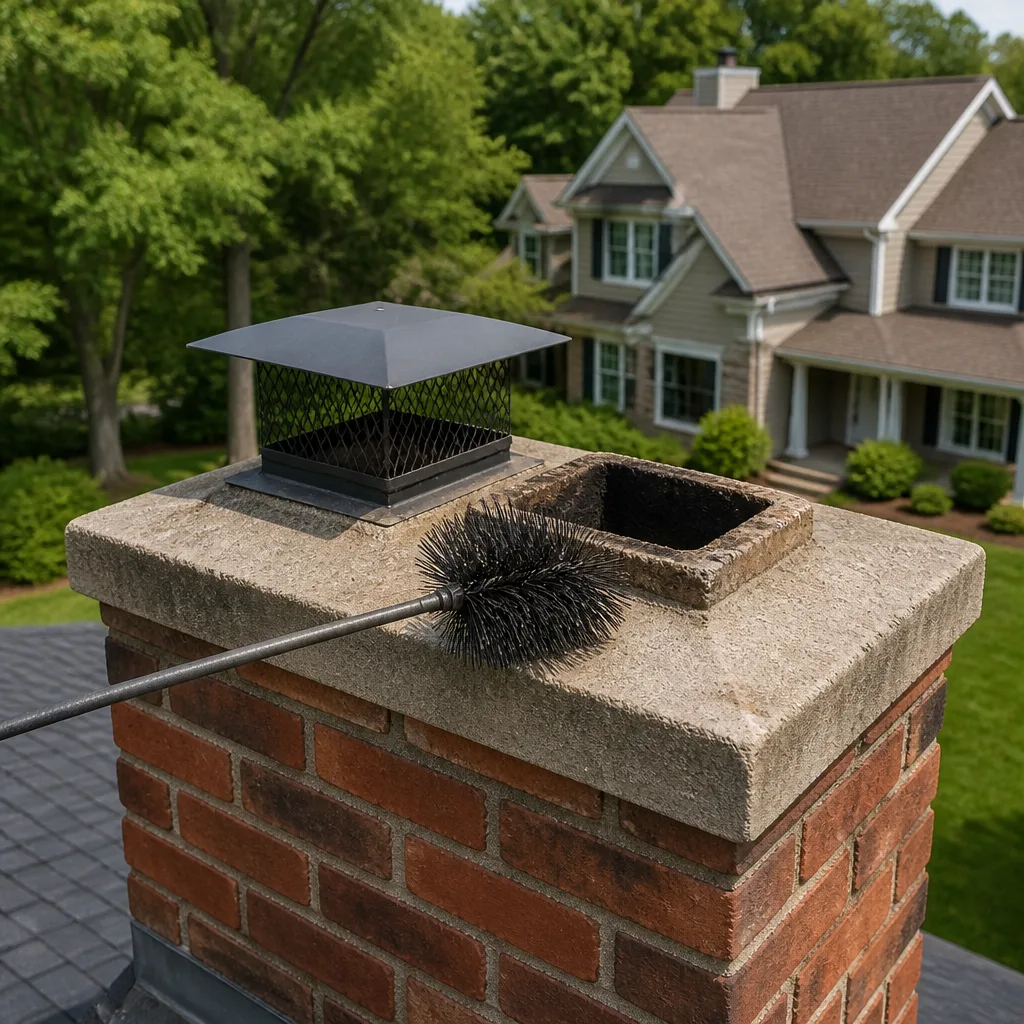
Chimney sweep logs do not sweep chimneys. They loosen some creosote - which then falls where a brush and vacuum still have to collect it.
The Complete Guide to Chimney Cleaning in Cary
The national standard says clean your chimney once a year. That rule was written for a generic fireplace burning generic wood – not for a Cary home burning green-cut oak through a 15-year-old prefab chase, or a 1980s masonry chimney in a neighborhood where the summer air hangs near saturation for weeks. Fuel matters, climate matters, and the chimney configuration common in Cary’s subdivisions matters. This guide covers how Triangle-area wood species change creosote buildup, why prefab and masonry flues need different cleaning approaches, what a Level 1 versus Level 2 inspection actually means in practice, and what “cleaning complete” should look like before anyone climbs off your roof. If you want the short version first, the Chimney Sweep Cary overview is a good place to start.
Quick Answer
In Cary, a wood-burning fireplace should typically be swept once a year, but homes burning oak, hickory, and mixed hardwoods – and especially green or unseasoned wood – often build creosote faster than national guidance assumes. A proper cleaning removes all three stages of creosote, includes a Level 1 inspection, and ends with photo documentation of what was found. If you’re seeing glaze or a heavy, tar-like coating on the flue walls, stop burning and call before the next fire.
Styles & brands we work with
- Sweep & inspection
- Caps & crowns
- Flue relining
- Masonry repair
- Gas fireplace service
Table of Contents
- Why Cary Chimneys Don’t Burn Like the National Average
- The Three Stages of Creosote and Why They Matter Here
- Masonry vs. Prefab Chimneys in Cary Subdivisions
- Level 1 vs. Level 2 Inspections: What They Actually Mean
- Cary’s Humid Summers and Liner Condensation
- What “Cleaning Complete” Should Look Like
- How Often Should You Schedule in Cary?
- Common Mistakes to Avoid
Why Cary Chimneys Don’t Burn Like the National Average
Most chimney guides repeat the same line: sweep once a year, or every cord of wood, whichever comes first. That advice assumes a fuel source and a climate. Neither assumption holds cleanly in Cary. The Triangle’s hardwood mix is different, the curing conditions are different, and the housing stock is newer than the average American neighborhood. All three change what a cleaning program should look like.
Here’s what we mean, broken into the factors that actually matter:
- Fuel density. Oak and hickory – both abundant in this part of North Carolina – are dense hardwoods. They produce high heat, and they produce a lot of it. That’s good for the firebox and harder on the flue if the fire is run cold or choked down.
- Pine and mixed softwoods. Plenty of Cary homeowners supplement with pine because it’s what’s available and it lights fast. Pine deposits more volatile material per hour of burn, which is the raw ingredient in creosote.
- Seasoning quality. Wood stacked in a Cary backyard through a humid summer often doesn’t reach the moisture content vendors advertise. Green-cut or partially seasoned wood is the single biggest driver of accelerated creosote buildup we see.
- Short burns. A fire lit for two hours on a cool spring evening, then left to smolder and burn out, produces more creosote than a hot three-hour burn. This is the “weekend fire” pattern most Cary fireplaces actually follow.
None of this means Cary homes are unsafe by default. It means the “once a year” rule is a floor, not a ceiling – and a home burning a lot of oak and pine through a humid season may genuinely need attention twice in a year, or at least a midseason look at the flue. Our technicians have up to 9 years of experience reading these patterns, and we document what we find so you can see it yourself.
The Three Stages of Creosote and Why They Matter Here
Creosote forms in three recognizable stages, and each requires a different cleaning response. Most homeowners never see the distinction because nobody shows them. This is the single most useful concept in chimney maintenance, and it’s the one we’d want every Cary homeowner to carry in their head.
- Stage 1 – soot and flaky dust. A thin, powdery layer on the flue wall. Standard brushing removes it quickly. This is where a regularly maintained chimney sits after a normal season of decent fuel and decent burn habits.
- Stage 2 – flaky crust. A thicker, shiny, sometimes curly deposit. It bonds to the wall, resists a light brushing pass, and needs a rotary brush or a chemical pre-treatment to fully clear. This is what green or partially seasoned wood produces more of.
- Stage 3 – glazed, tar-like coating. A dense, hardened shell that behaves almost like a varnish. This stage is the dangerous one – it’s the form most closely tied to chimney fires – and it needs a rotary cleaning with proper tooling, sometimes more than one pass, sometimes a follow-up. This is also the point where we start talking about flue condition and whether the liner itself has been compromised.
If a sweep tells you they cleaned everything and you didn’t see the level before or the level after, ask for the before-and-after photos. A generic “you’re clean” is not the same as a documented cleaning. In our experience, Cary homes that burn mostly pine and short weekend fires sit in Stage 1 or low Stage 2 after a season. Homes burning green oak can climb faster, and the difference is visible on camera.
Masonry vs. Prefab Chimneys in Cary Subdivisions
Two very different chimney systems are common in Cary, and they aren’t cleaned the same way. Knowing which one you have matters before you book anything.
Masonry chimneys – brick stack, clay tile flue liner, mortar joints – are common in older Cary homes and in neighborhoods where the house was built before the mid-1980s. They’re durable, but the clay tile liner can crack from a chimney fire or settle from age, and masonry walls collect creosote in the same way they collect soot: unevenly, in the cooler corners of the flue. Cleaning a masonry flue requires brush work that fits the tile profile, and repair work often means relining. chimney repair on a masonry stack can mean a new liner system, not just a patch.
Prefab metal-flue systems are what the vast majority of Cary homes built between roughly the 1990s and the 2010s use. These are manufactured fireplace units with a stainless steel or galvanized flue inside a chase. They’re clean and efficient, but the flue inside is thinner than masonry, the metal warms and cools faster, and the chase design sometimes allows condensation to reach components it shouldn’t. Cleaning a prefab system means a brush sized to the manufacturer’s flue dimensions, and inspecting the cap, storm collar, and chase flashing – not just the inside of the pipe.
Both systems need the same basic care, but the tooling, the inspection checklist, and the repair options are different. That’s why we only do chimney work – every technician’s skill set is specific to this trade, and we stock liner systems and component parts rather than general home-repair supplies. If you’re not sure which system you have, look at the firebox: a metal box with a visible grate and a surround panel is prefab; brick to the floor with a damper handle in the throat is usually masonry.
Level 1 vs. Level 2 Inspections: What They Actually Mean
The NFPA defines inspection levels, but the definitions don’t answer the practical question a homeowner actually has: which one do I need right now? Here’s how we approach the decision on a Cary chimney. A chimney inspection is not just a formality, and a Level 1 is not “cheap and useless” – it’s the right tool for most routine annual visits.
- Level 1 – the annual check. Readily accessible portions of the chimney and flue: visible interior, exterior above and below the roofline, connections, firebox, damper. This is what we do at a normal cleaning, and it’s what a yearly visit should include. Most Cary homeowners need this and nothing more.
- Level 2 – the diagnostic check. Adds a camera inspection of the flue interior, and covers the attic, crawlspace, and any accessible joints or connections. We recommend this when you’ve bought or sold a home, changed the appliance, had a chimney fire (even a small one), or when the flue has never been inspected. In Cary’s humid climate, a Level 2 is also worth commissioning after a long-dormant chimney has been out of use for several seasons – the camera tells you what’s been sitting inside the pipe while it was idle.
- Level 3 – the investigative check. Involves removing parts of the chimney or adjacent construction to see concealed areas. This is rare, and typically triggered by a suspected hidden defect or fire damage found at Level 2.
The practical rule: Level 1 with every cleaning, Level 2 on a transition – new home, new appliance, post-fire, or a flue that hasn’t been looked at in years. Anything more than that should come with a camera report you can see. We are a company that can go from a sweep to a structural repair to a formal inspection without handing you off to a subcontractor, which matters most when the inspection turns up a finding.
Cary’s Humid Summers and Liner Condensation
This is the section most national chimney guides skip entirely, and it’s the one that surprises the most Cary homeowners. In this climate, the summer is not the off-season for your chimney. It’s the season when condensation does quiet damage to components that don’t get any heat on them for months.
When a chimney sits unused through a humid Triangle summer, the flue cools to match the outdoor air, and moist air pulls down through the cap. It condenses on the cooler metal flue walls or on the interior of the masonry tile. If the creosote from the previous season is still on the walls – because the chimney wasn’t cleaned before the warm season started – the condensation wets that deposit. Wet creosote becomes more acidic and more corrosive to a metal flue, and it loosens its bond on a masonry liner, sometimes pulling tile joints apart over time.
The fall appointment is when we see the results of that process. It’s why we recommend sweeping before the first fire of the season rather than in the middle of winter, and why “we’ll do it after the holidays” tends to mean “we’ll discover a problem in October.” Things that help in a Cary chimney:
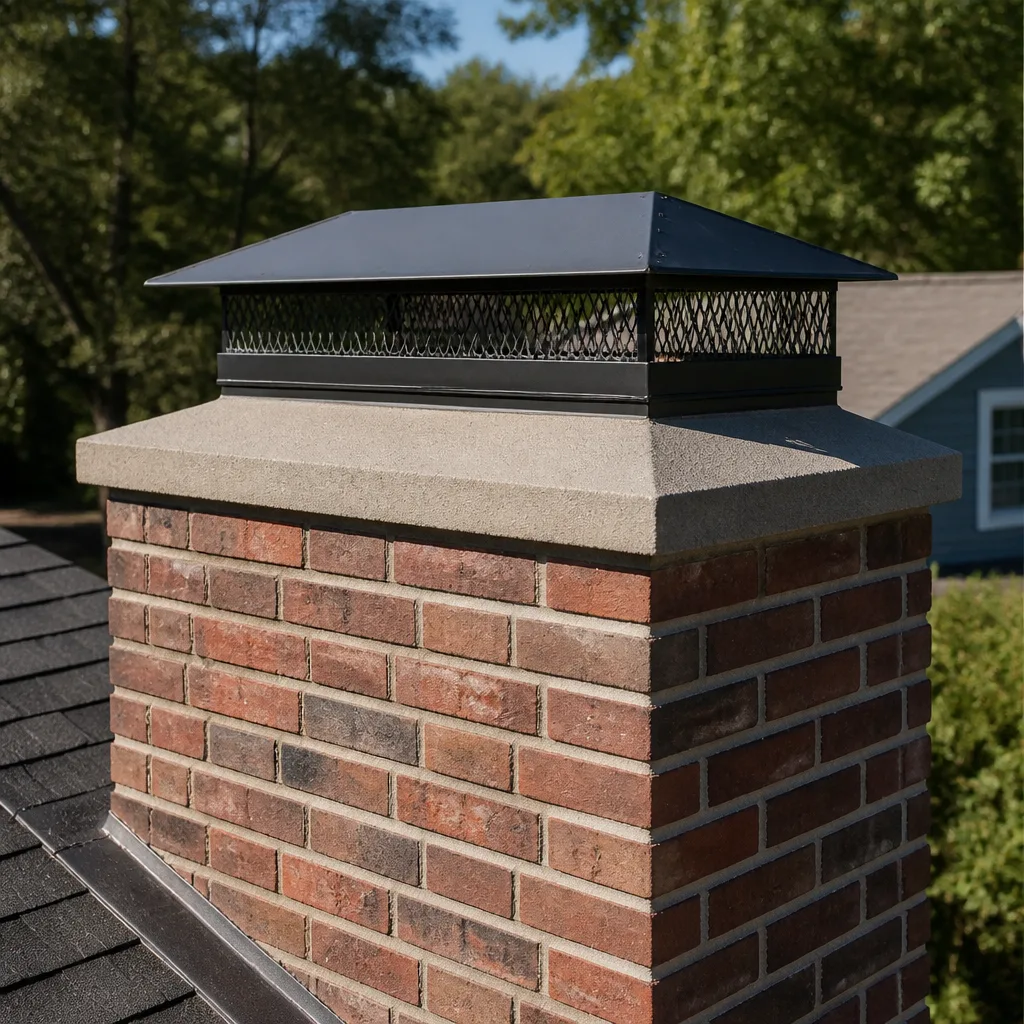
- A proper cap. A tight-fitting cap keeps rain and animal intrusion out, but it needs to vent correctly – an undersized or missing cap lets rainwater and rising humidity straight into the flue. We source caps and components from brands like Olympia Chimney and Gelco because the fit matters more than the price point.
- Chimney outside wall vs. interior chase. Exterior-mounted masonry chimneys get colder and stay cold longer, so they condense more. An interior chase through the conditioned part of the home dries out faster.
- Cracked mortar, flashing, or crown. Small cracks invite moisture into the masonry structure, not just the flue. This is where a resurfacing product like HeatShield earns its keep – it restores a flue interior from the inside without a full teardown.
- Seasonal drying. A chimney that stays damp all summer dries slowly in fall. A sweep appointment right at the turn of the season catches problems before they compound.
What “Cleaning Complete” Should Look Like
The phrase “your chimney is clean” is too vague to act on. Cleaning is a measurable outcome, and you should be able to see the measure. Here’s the checklist we’d want any homeowner to hold their sweep to, including us:
- Before and after photos of the flue interior. Not just the firebox – the flue walls. A camera scan before and after a cleaning gives you the same evidence the technician has.
- A creosote-stage assessment. The sweep should be able to tell you what stage of creosote was present and what was removed. “Stage 2, mostly on the north wall of the flue, cleared with rotary brush” is useful. “You’re good” is not.
- A clear statement on liner and joint condition. Any crack, gap, or compromised joint should be called out with a photo, and you should be told whether it can wait or whether it needs attention before the next fire. We say plainly when work can safely wait – nothing is recommended without camera evidence you can see yourself.
- Cap, crown, and flashing check. The top of the chimney is part of the cleaning visit.
- A written summary, not a verbal one. You should walk away with a record you can put in a file, whether you’re staying in the home for 20 years or selling it next spring.
That’s what a documented cleaning looks like. It’s not the same as a quick brush pass with a verbal all-clear. And if your sweep can’t show you the before-and-after, you’ve been given a report, not an inspection.
How Often Should You Schedule in Cary?
As a general rule, sweep once a year, and inspect with every cleaning. But “once a year” splits into different schedules depending on how you actually burn, so it’s worth being honest with yourself about which category describes your home.
- Light use (a handful of fires a season, well-seasoned hardwood): one annual sweep, scheduled in early fall before the first fire.
- Regular use (fires most weeks through the cool months, mix of oak and hickory): one annual sweep as a minimum, and a midseason check of the flue if you’re burning more than a cord.
- Heavy use (primary heat source through the winter, or a wood stove): twice-yearly sweep is not unusual, and a fall + late-winter schedule keeps you ahead of buildup.
- Green or mixed wood: treat this as heavier use even if the fire count is lower. The fuel is the variable.
- Change of seasons or change of home: a buyer, a seller, or a homeowner converting to a gas log set needs a Level 2 before the first fire in the new configuration.
If you’re not sure which bucket you’re in, that’s a legitimate question to ask when you book. A chimney sweep in Cary should be able to give you a straight answer based on the fuel and burn habits you describe, and it should be based on what they find, not what they can sell.
What About Relining and Higher-Level Repairs?
Sometimes a cleaning turns into a conversation about the flue liner itself. That’s normal, and it’s the reason we keep liner systems in our material lineup rather than outsourcing that work. A chimney liner is what stands between combustion gases and the structure of your home, and when it’s cracked, disconnected, or undersized for the appliance, patching around it is a temporary fix.
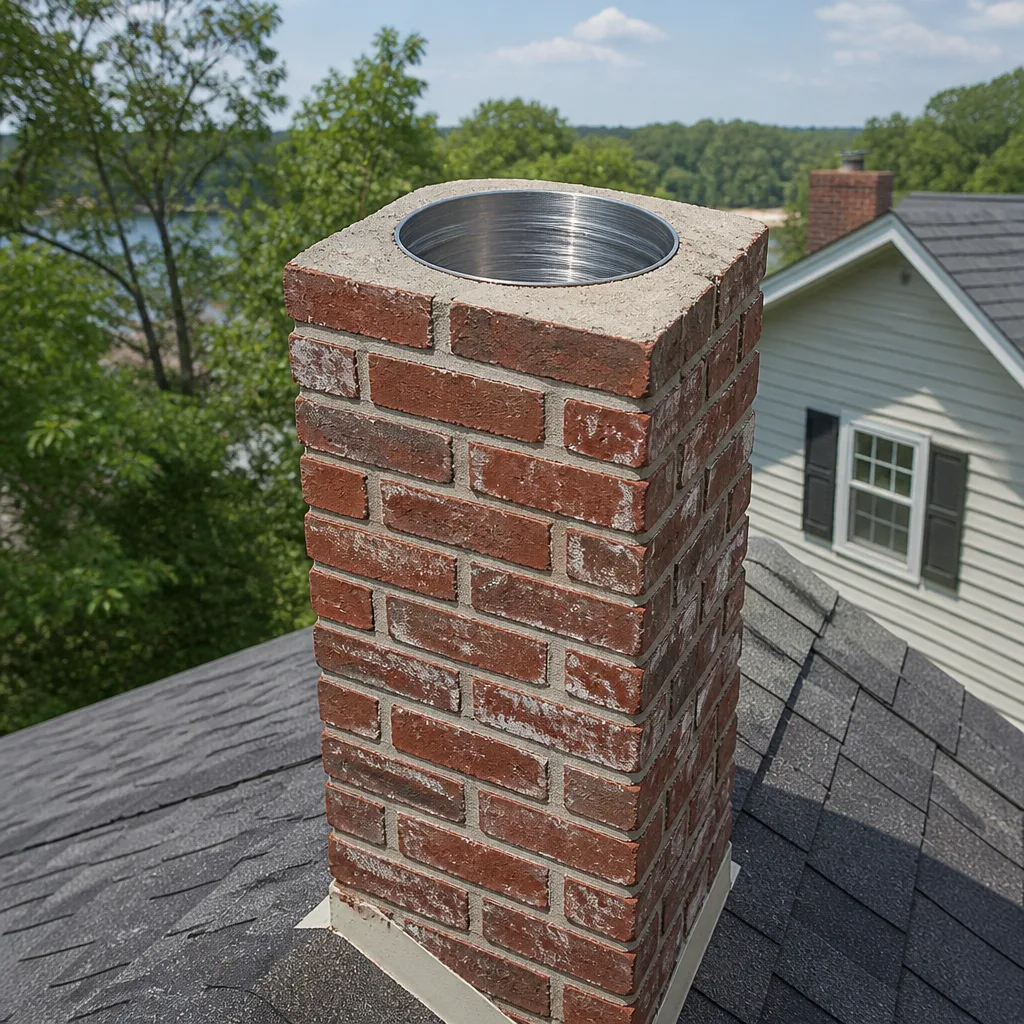
Two products carry most of that work for us. DuraFlex flexible liner systems let us reline a flue around offsets and curves that would defeat rigid pipe, and they’re the right answer when a gas appliance conversion or insert installation requires a code-compliant flue. HeatShield is a resurfacing system that restores a damaged flue interior from the inside, which means a full demolition-and-rebuild isn’t automatically on the table just because the flue surface is failing. These are industry-grade materials, not hardware-store substitutes, and they’re the kind of thing we can quote because we already know the system, the fit, and the compliance requirement.
Whether relining is truly needed should always come back to camera evidence. We don’t recommend a liner on a hunch, and we’re comfortable telling a homeowner that a flue looks fine and just needs its annual sweep. Built to last, not patched to pass.
Common Mistakes to Avoid
- Waiting until after the first cold snap. Cary’s first cold weekend sends everyone to the phone at once, and the good sweeps book out. Schedule before the first fire of the season, not after.
- Burning green or unseasoned wood. It’s the single biggest factor in this area. Oak and hickory that’s been split and stacked for less than a year is the fuel that lands you in Stage 2 creosote by spring. Stack it covered and off the ground, and give it time.
- Using the “cleaned it with a brush from the hardware store” approach. A homeowner brush pass can knock down soot, but it can’t reliably clear Stage 2 or 3 deposits, and it can damage a prefab flue if the brush is the wrong size or shape. It also gives you no inspection – you don’t see the cracks you’re brushing past.
- Skipping the cap. Open flues are common in older Cary neighborhoods where the original cap rusted out and was never replaced. An uncapped flue in this humid climate collects rain, nests, and moisture all summer.
- Treating “we cleaned it, you’re all set” as a complete report. If there’s no photo, no creosote stage, and no liner condition noted, you don’t have a documented cleaning – you have a visit.
- Ignoring a small chimney fire. A brief, contained chimney fire can be genuinely quiet, and the damage it leaves can be a cracked tile that only shows up on camera. If you’ve had one, book a Level 2 before the next fire.
- Assuming prefab means “maintenance-free.” A metal flue still needs annual cleaning and inspection. It’s smaller, but it’s not self-cleaning.
See the difference
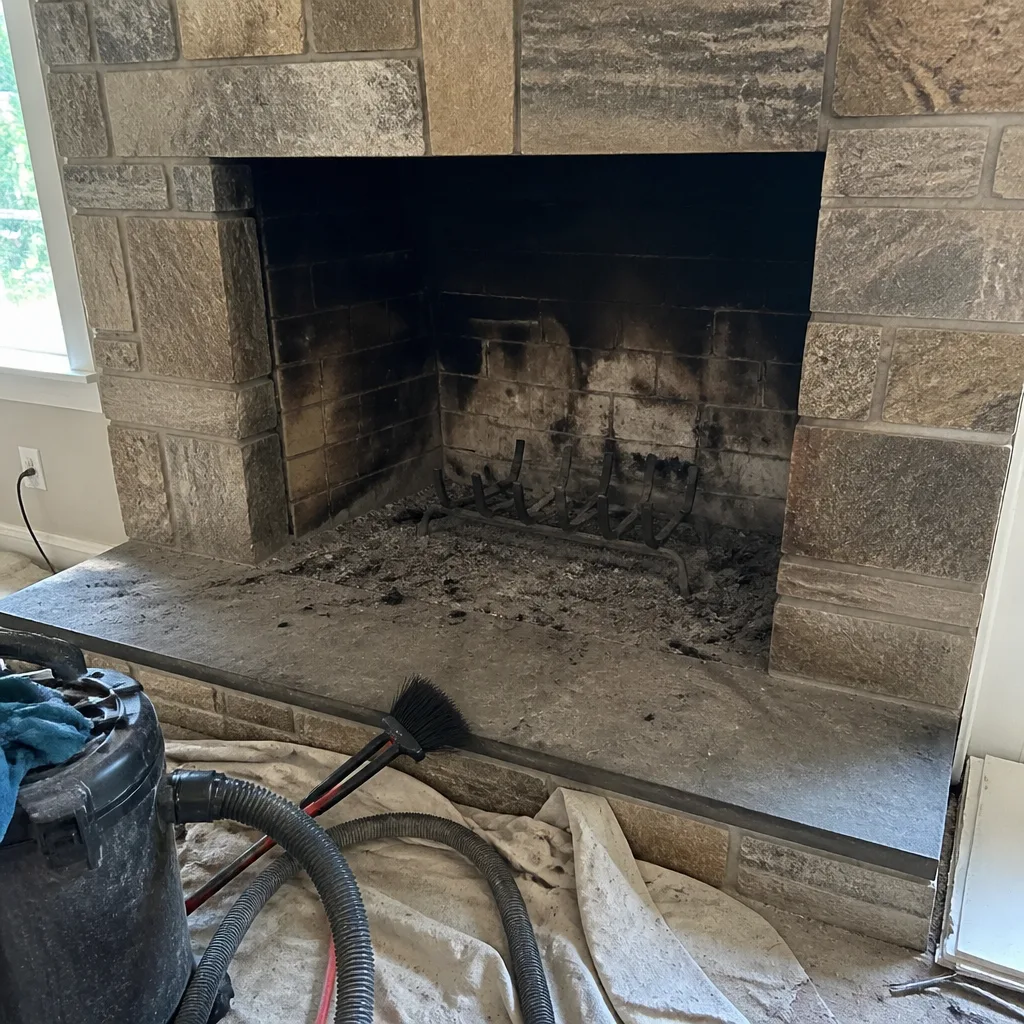 Before
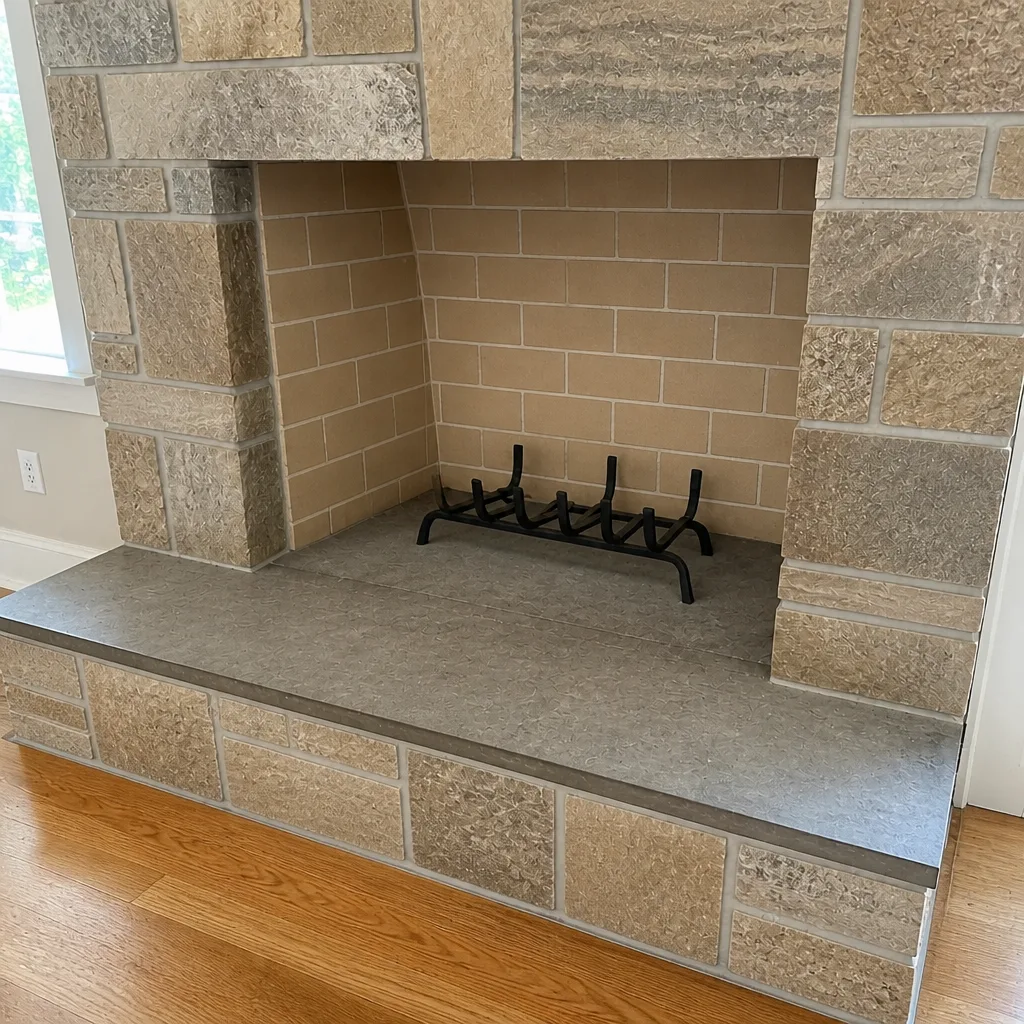 After
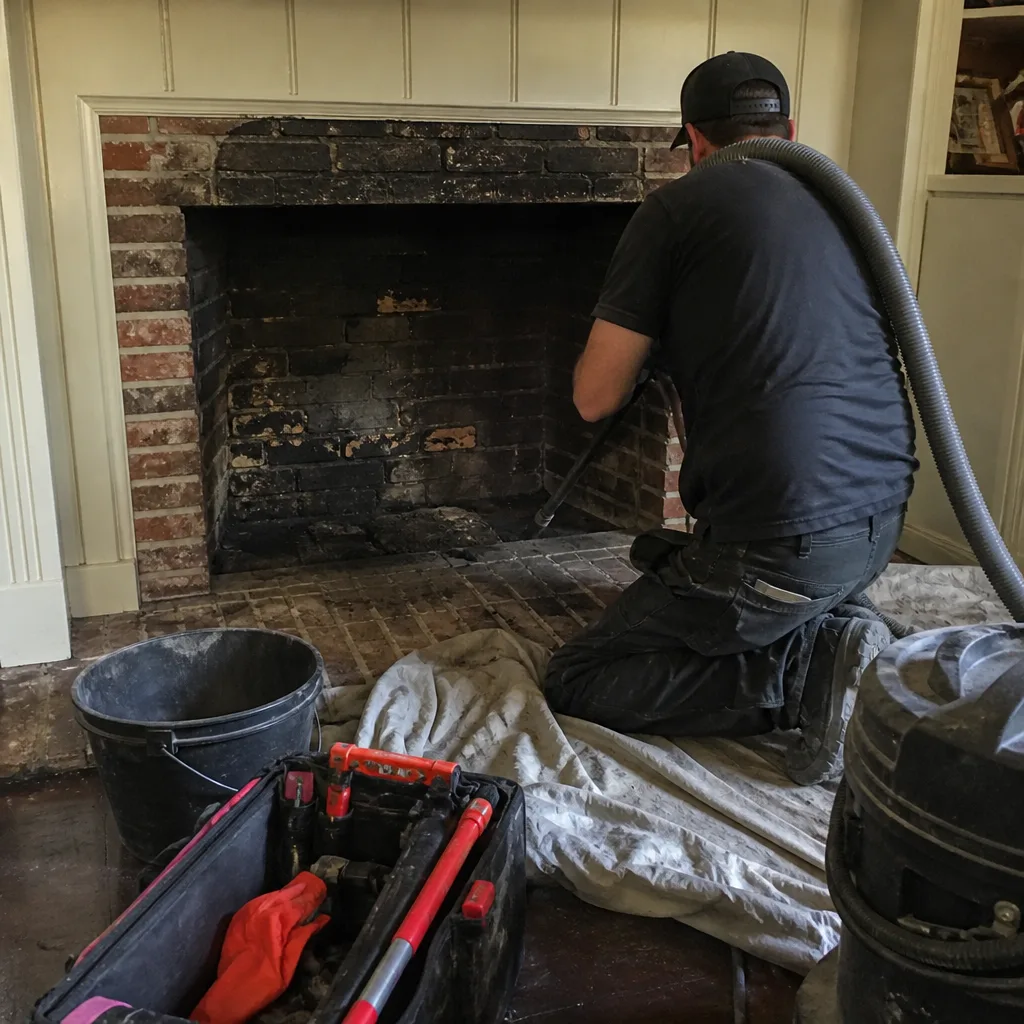 Before
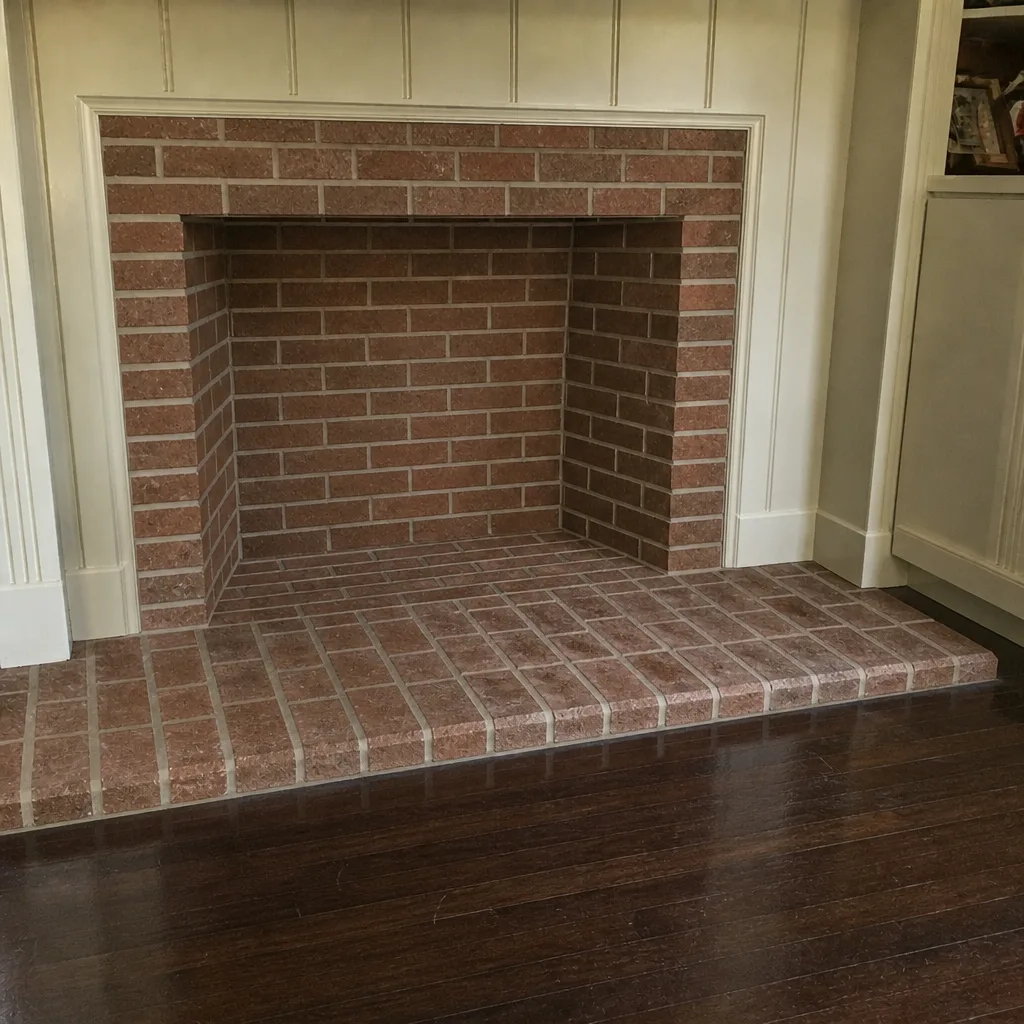 After
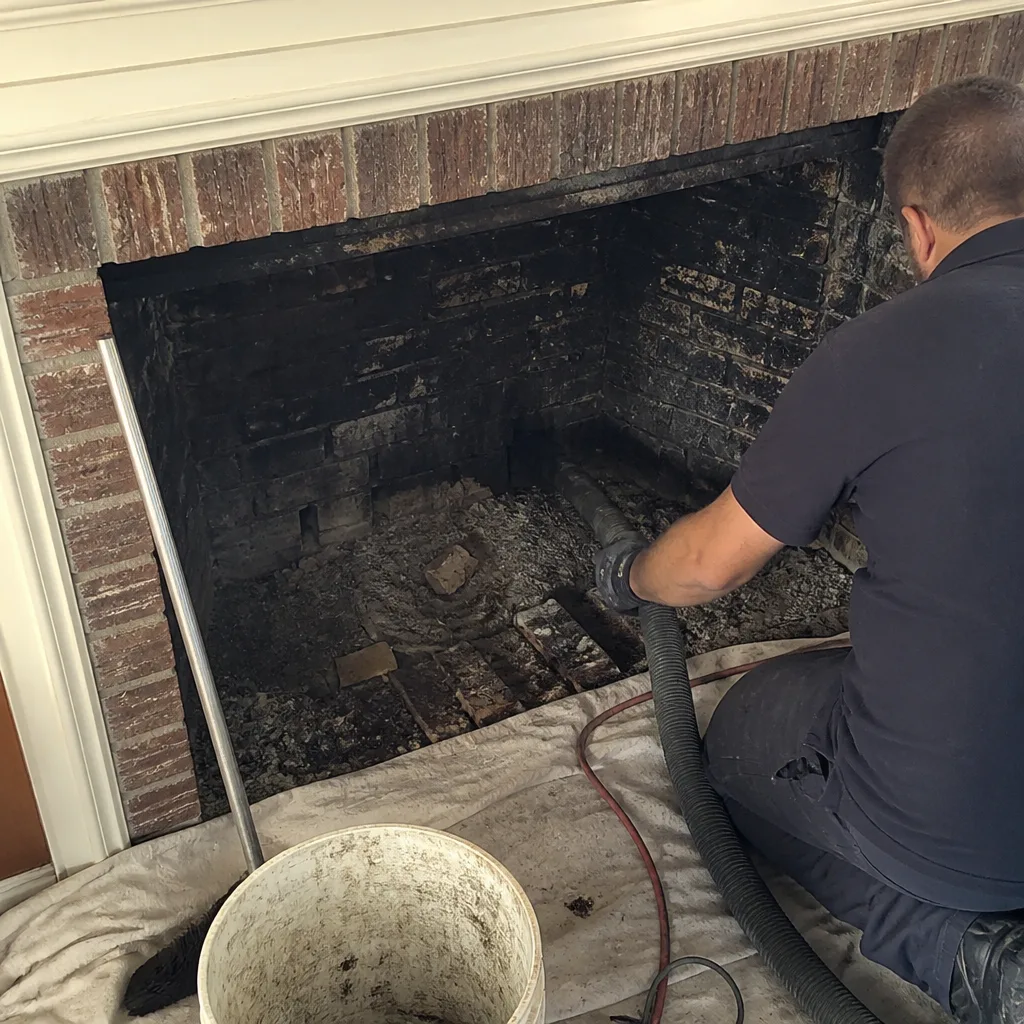 Before
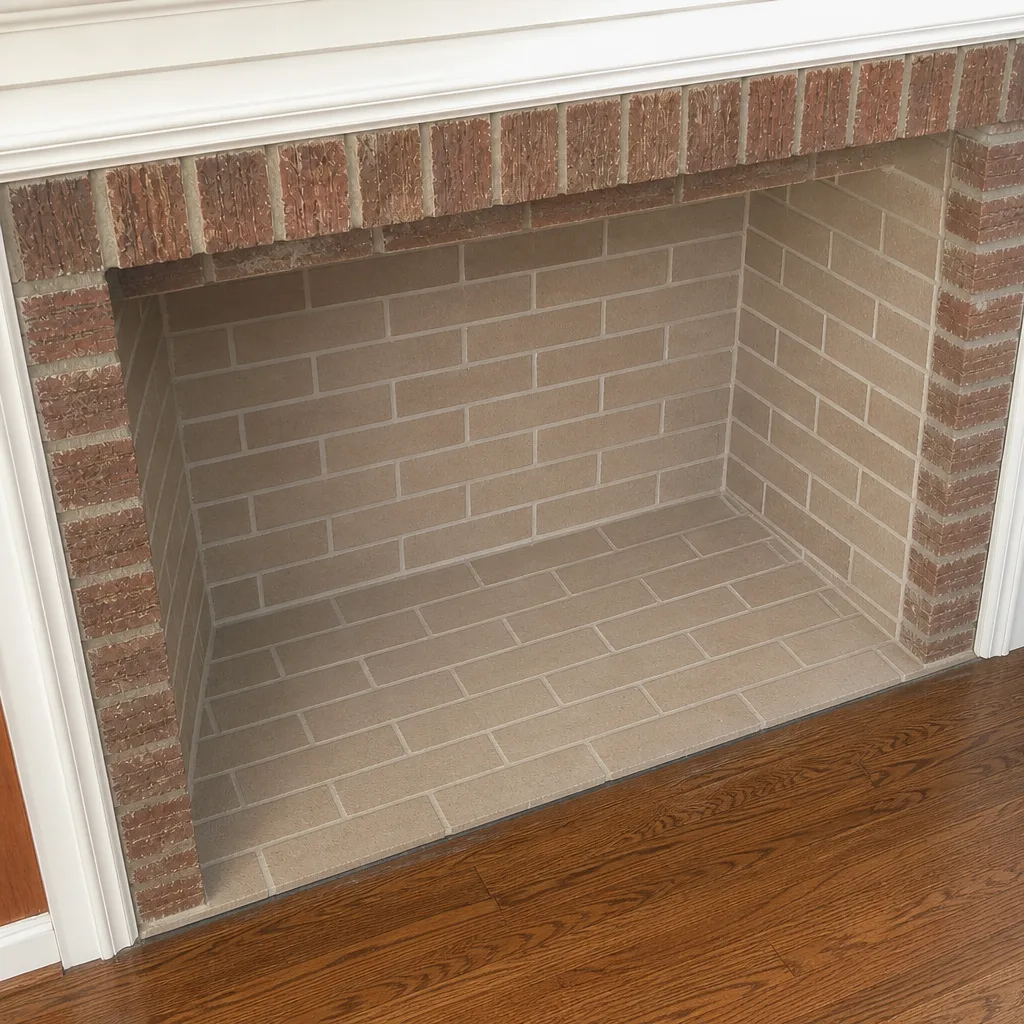 After
When to Call a Professional
Most homeowners can and should book a routine annual cleaning without overthinking it. The situations that need a call before the next fire are more specific: a visible glaze or heavy tar on the flue wall, a chimney fire you’ve had in the last year (even a brief one), smoke backing into the room, a persistent draft problem, a new home purchase without a chimney record, or a change to the appliance – new insert, new gas logs, new wood stove. Also any time the roof or crown is vulnerable and you haven’t had the top of the chimney looked at in a few seasons. Chimney Sweep Cary offers free estimates in Cary. Call (833) 519-6077. We answer 24/7. Fast dispatch from 7am to 7pm, Sunday through Friday. You can also read about the neighborhoods in Cary we serve, or review the full range of chimney repair and inspection services.
Frequently Asked Questions
A standard sweep with a Level 1 inspection is priced per job by written estimate, and the estimate is free. The final price is set by the written estimate after we see the flue, because prefab and masonry chimneys, and Stage 1 versus Stage 2 creosote, take different work. Call (833) 519-6077 for an exact quote – estimates are free.
Only if the camera shows it. A cracked tile, a disconnected section, or a flue that’s undersized for the appliance genuinely needs relining with a system like DuraFlex, but a flue that photographs clean and intact does not. We don’t recommend a liner without evidence you can see for yourself, and we say plainly when work can safely wait. Call (833) 519-6077 for an exact quote – estimates are free.
Once a year for most homes, more often if you burn heavily or burn oak and mixed hardwoods through a humid season. This climate’s summer humidity and fuel mix can push creosote buildup faster than the national “once a year” guidance assumes. Call (833) 519-6077 for an exact quote – estimates are free.
Creosote stays on the flue wall through the off-season, and in Cary’s humid summers it wets down, becomes more acidic, and bonds tighter. By fall the deposit is harder to remove, and any crack or connection gap that developed while the flue was damp won’t be caught until it’s looked at. Call (833) 519-6077 for an exact quote – estimates are free.
A Level 1 is enough for a routine annual cleaning on a chimney that’s in regular use and hasn’t changed. A Level 2 with camera inspection is the right call after a home purchase or sale, after a chimney fire, after a new appliance or insert, or when the flue has been dormant for a few years.
Yes, and it matters. Most Cary homes built in the 1990s through the 2010s use prefab metal-flue systems rather than masonry, which means a smaller-diameter flue, faster temperature swings, and different tooling. Those systems still need an annual sweep and inspection, and the cap and chase need checking along with the flue interior.
The Bottom Line
Chimney cleaning isn’t a check-box errand – it’s an annual inspection with a maintenance visit attached, and in Cary specifically, the fuel and climate make the national rule too loose. Sweep once a year as a minimum, more often if you burn oak, hickory, pine, or green wood. Know whether you have a masonry or prefab chimney, and hold your sweep to a documented cleaning: before-and-after photos, a creosote-stage call, and a liner condition reported, not implied. If you’ve had a fire, bought a home, or changed the appliance, book a Level 2 before the first fire of the season. We only do chimney work, and one specialist can carry you from the sweep to the repair to the inspection. Call (833) 519-6077 for a free estimate.
Written by the team at Chimney Sweep Cary.